I am a Nikon professional who shoots with any camera that offers stability, control, and reliable results. My focus has never been gear-driven. I have my favorite intuitive cameras, but I have always placed my attention on the lenses used to provide a specific look, visual appeal, and professionalism.
From my perspective, the camera body is simply a light-tight box with a shutter and a sensor or film behind it. It matters, but not nearly as much as people think. Camera bodies change every few years. New buttons appear, menus move around, autofocus becomes faster, and marketing departments celebrate another breakthrough. Yet photographs made a hundred years ago still hold emotional power today, and those photographers were working with equipment far simpler than what we carry now. What has remained constant is not the body — it is the optics and the person using them.
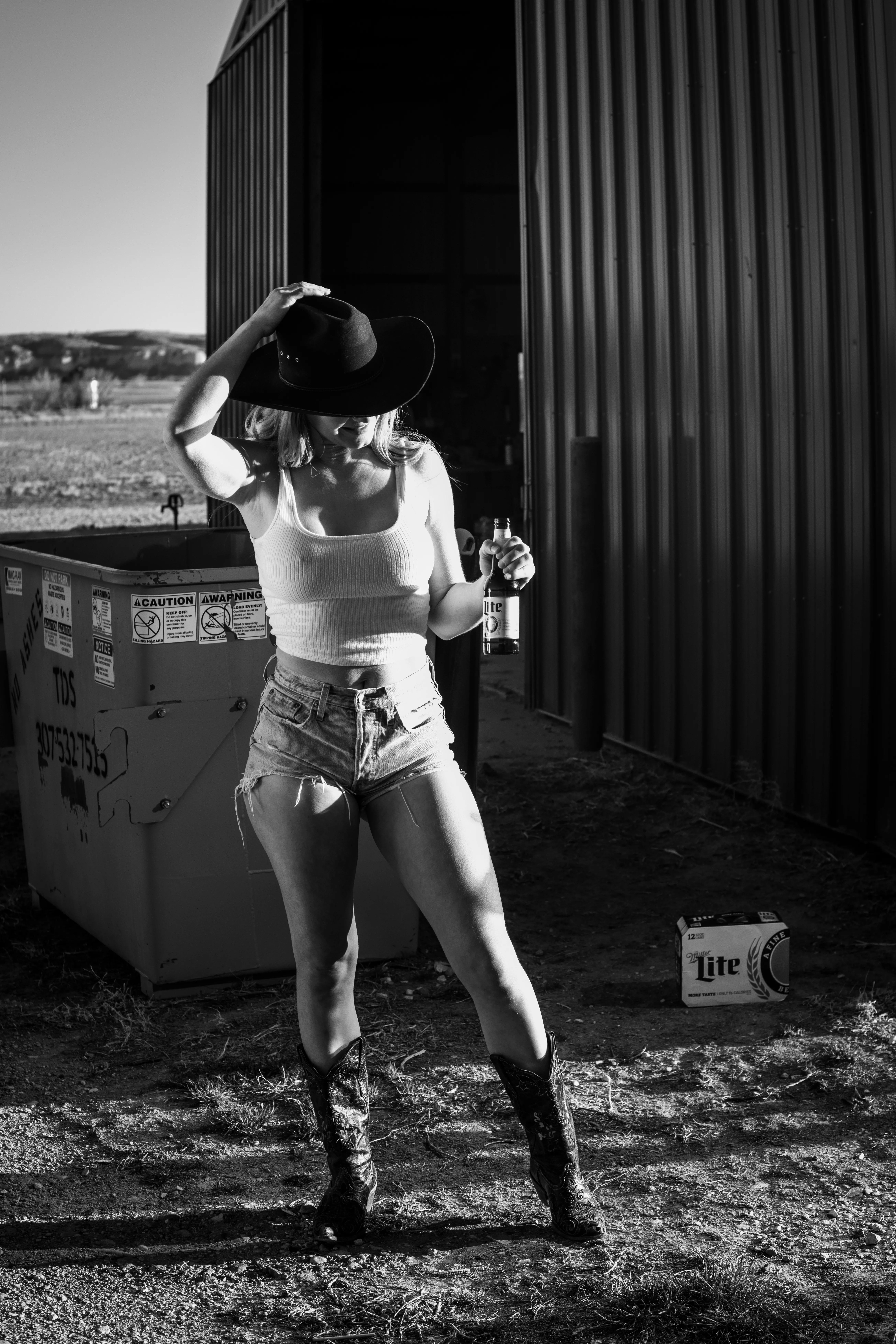
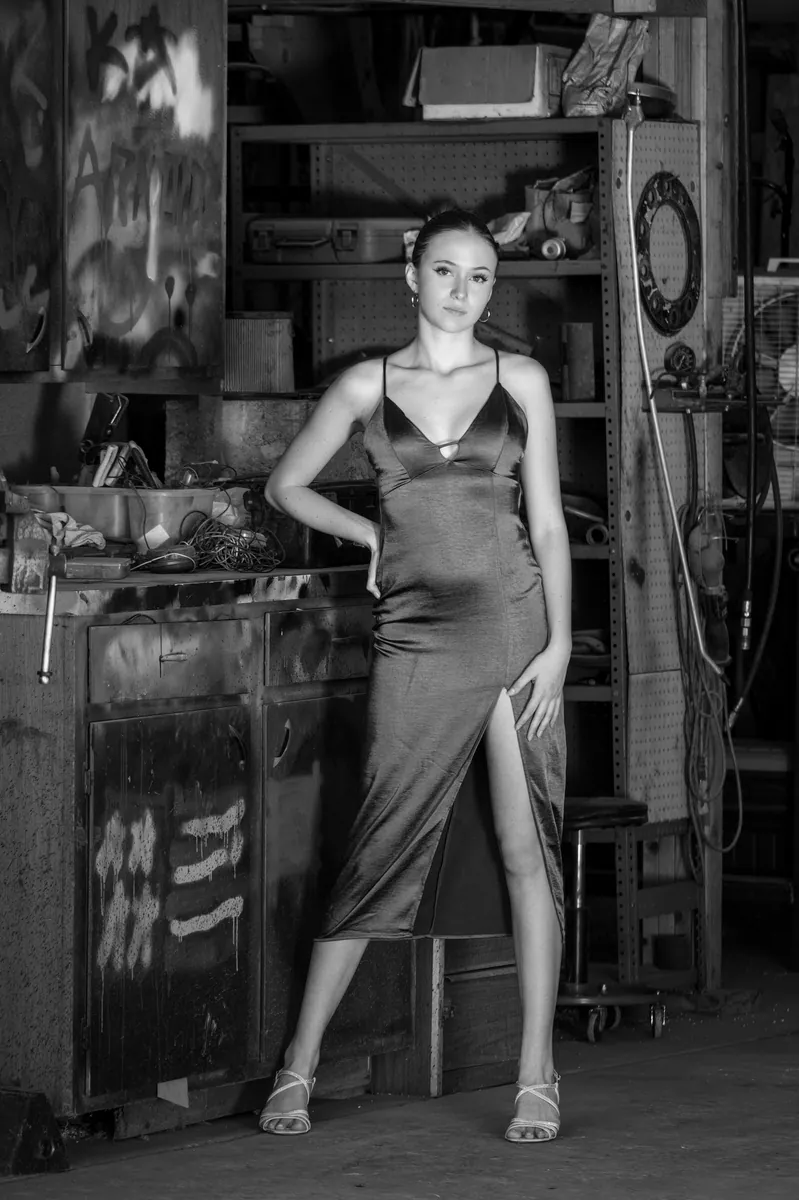
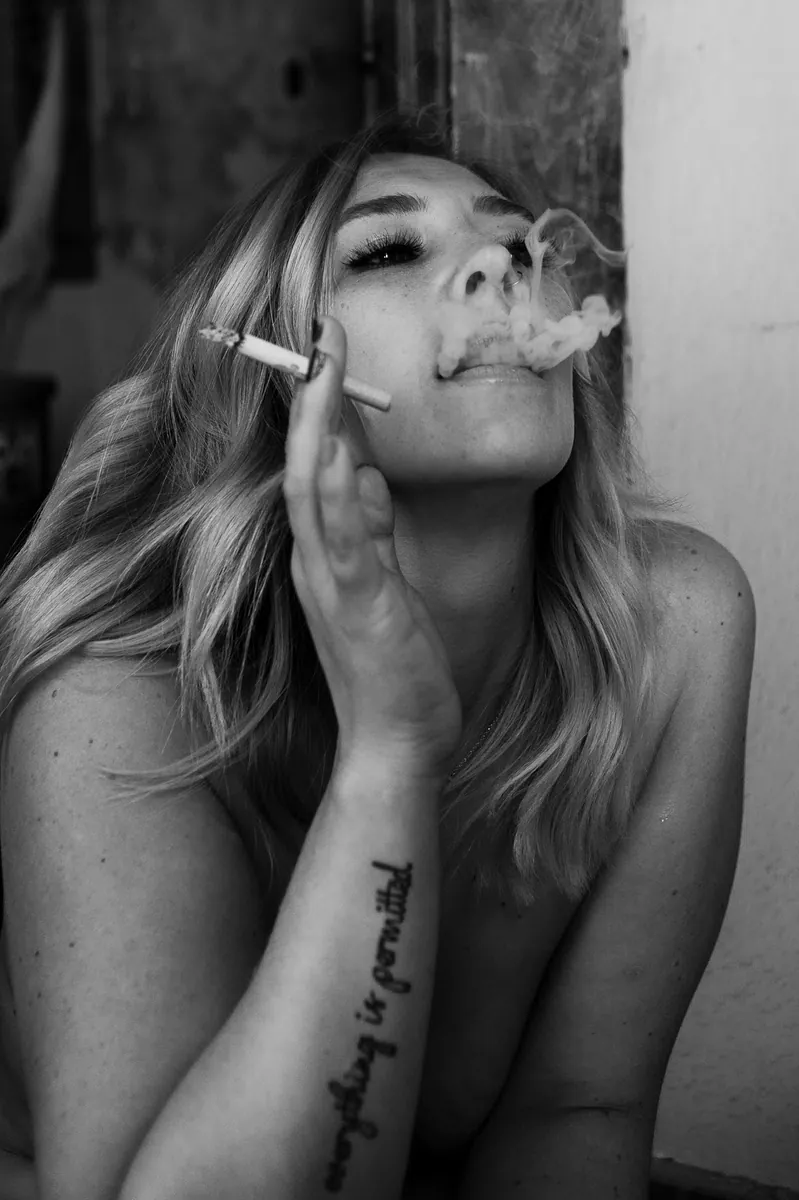
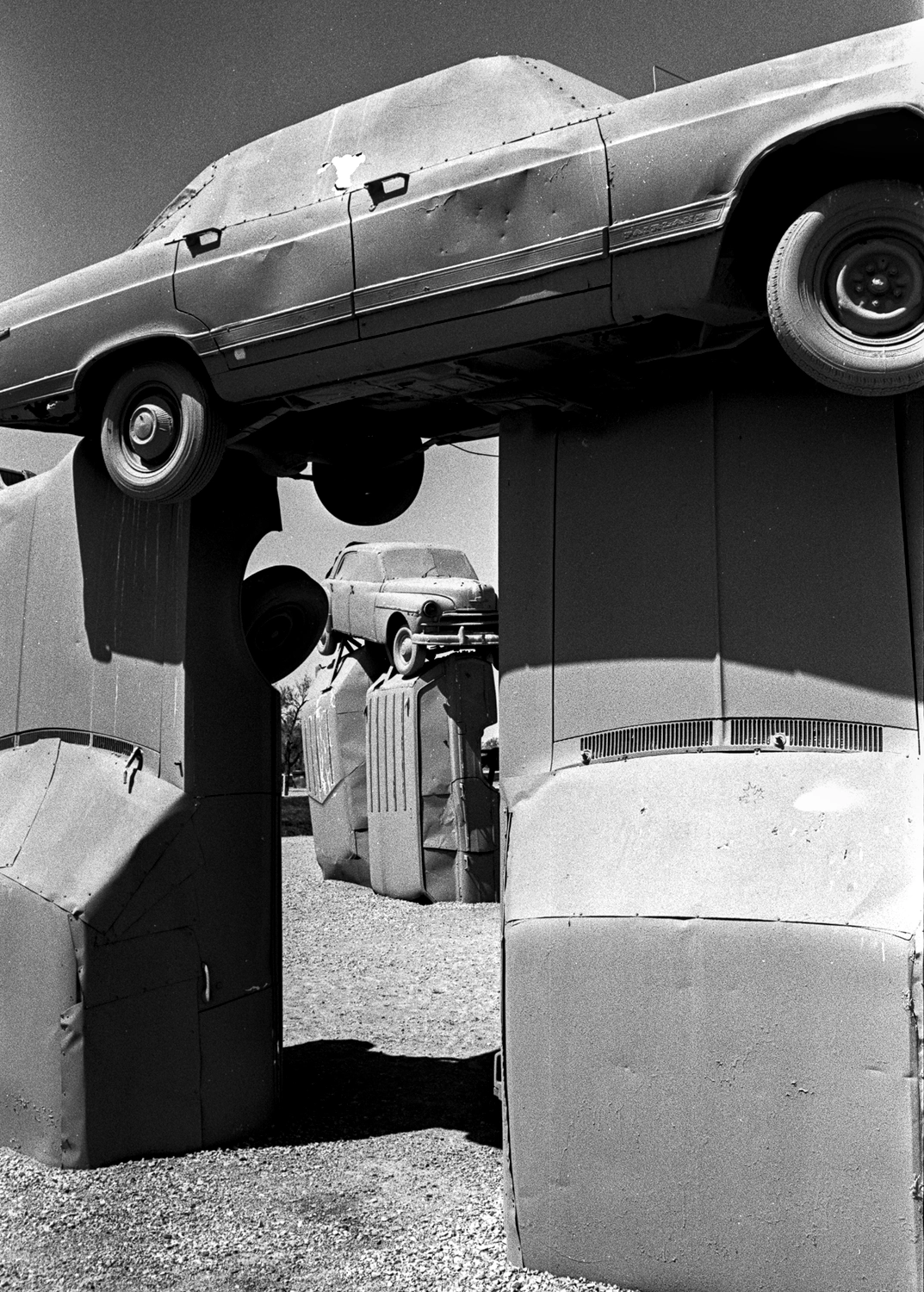
The lens is what actually shapes the image. It controls perspective, compression, depth, and character. A wide lens can place a viewer inside a moment, close enough to feel present. A longer lens can isolate a subject and remove distraction, turning a crowded environment into a quiet portrait. The transition between sharp focus and softness, the rendering of highlights, and the separation of a subject from the background all come from the glass. Two photographers can stand in the same spot with different lenses and produce completely different photographs, even using the same camera body.
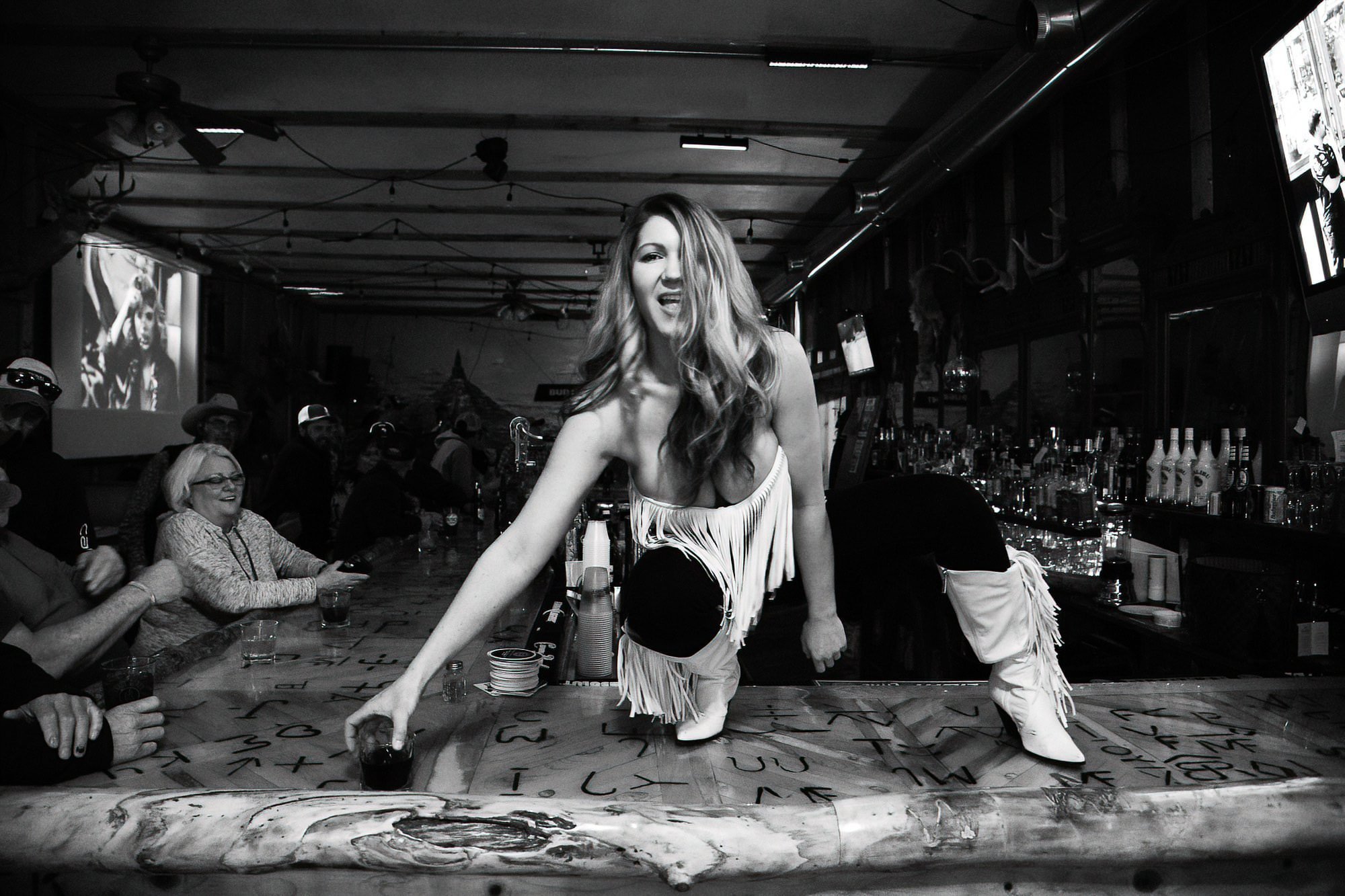
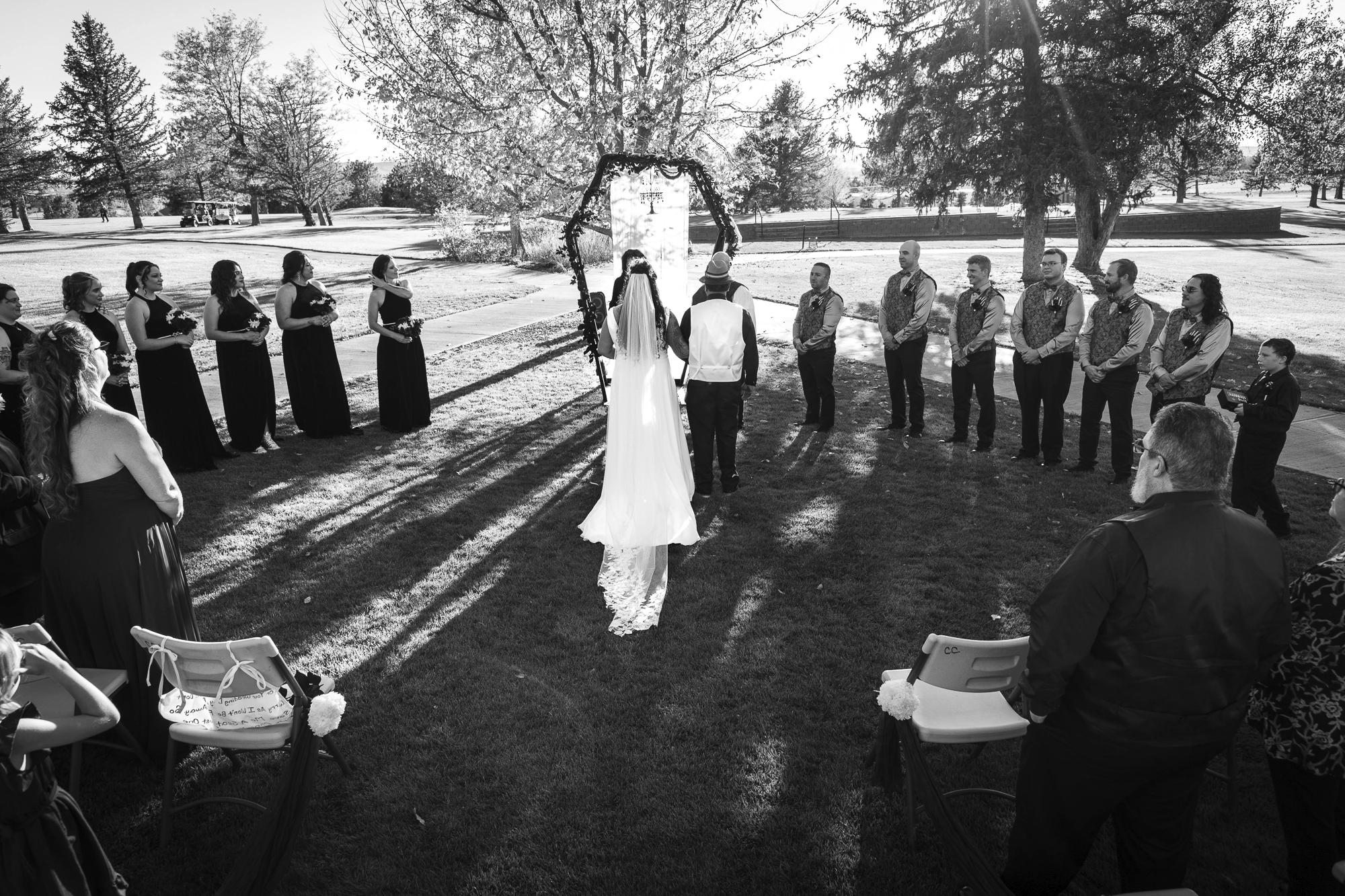
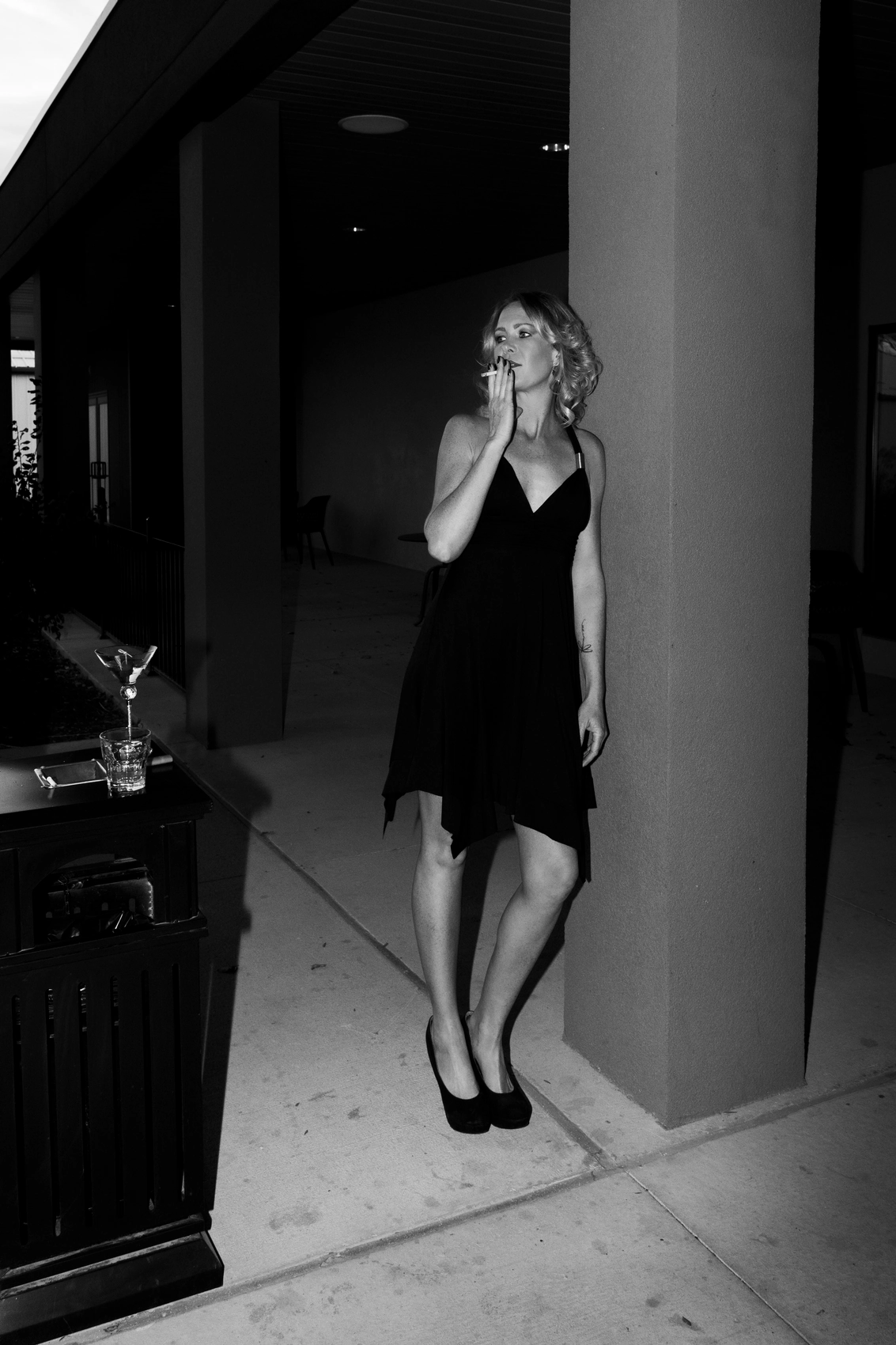
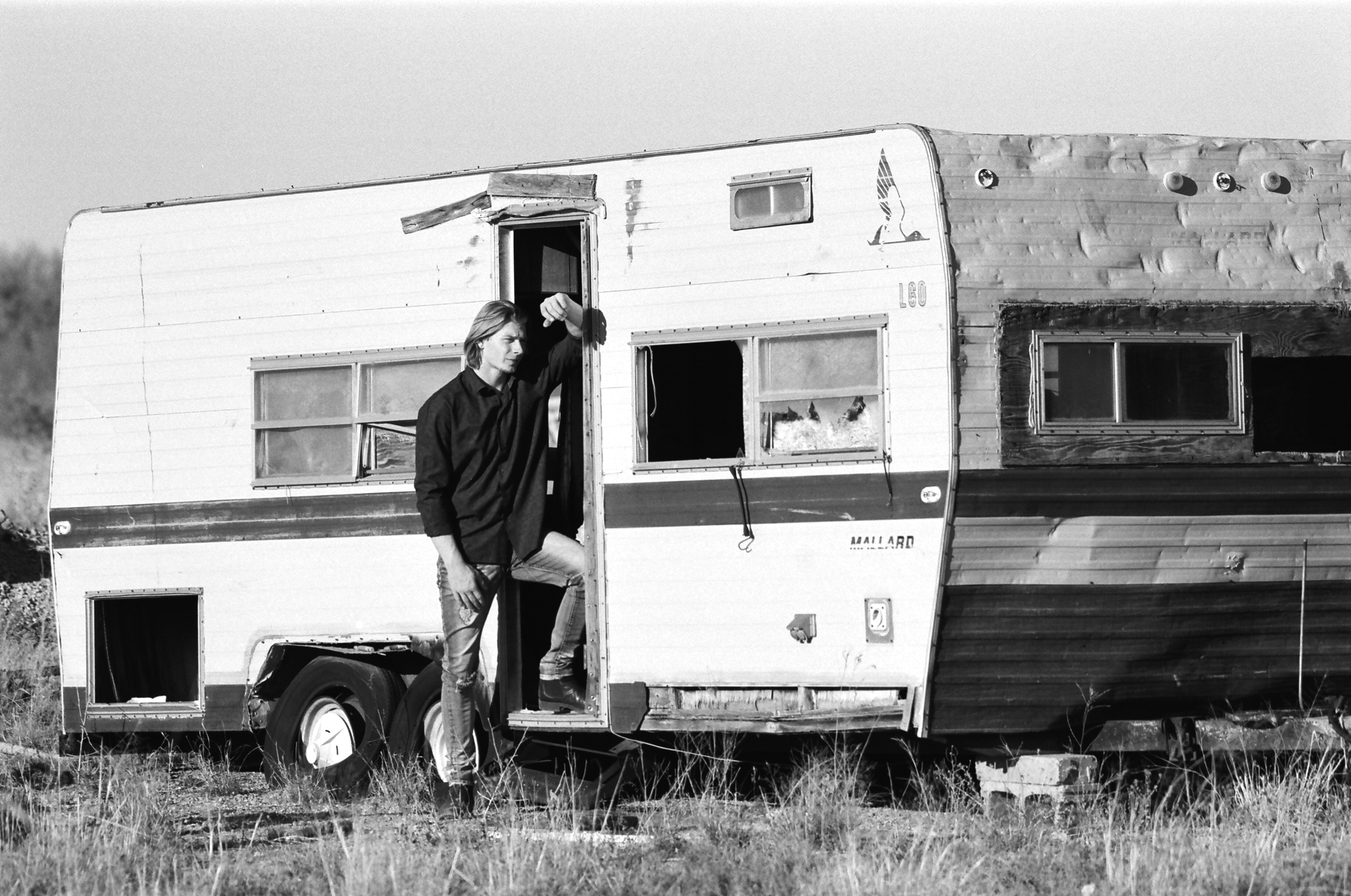
Because of that, I choose lenses deliberately. I do not select them based on brand prestige or specifications alone, but on how they render light and emotion. Some lenses are clinical and precise, excellent for documentation. Others have gentler contrast and smoother falloff, which works better for portraits and weddings. I match the lens to the story I am trying to tell. The equipment becomes a language, and each lens has its own dialect.
This approach also changes how I work. Instead of chasing the newest camera release, I spend time learning how a particular lens behaves in different light and distances. I learn how it draws a face, how it handles backlight, and how it responds to movement. Familiarity builds consistency. When I arrive at an assignment, I am not experimenting with gear; I am using tools I understand well enough that they disappear from my mind. That allows me to focus on people and moments rather than settings and menus.
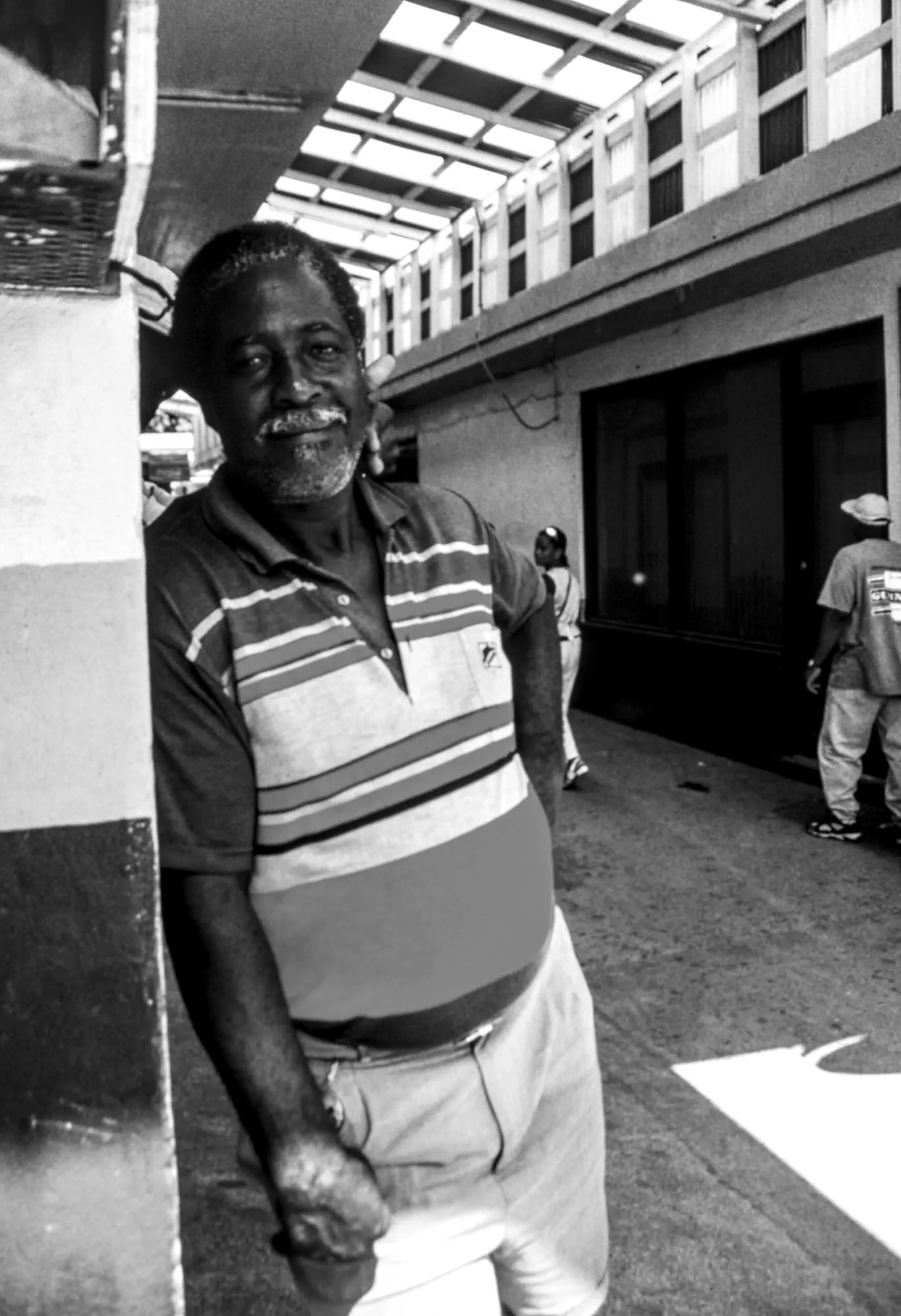
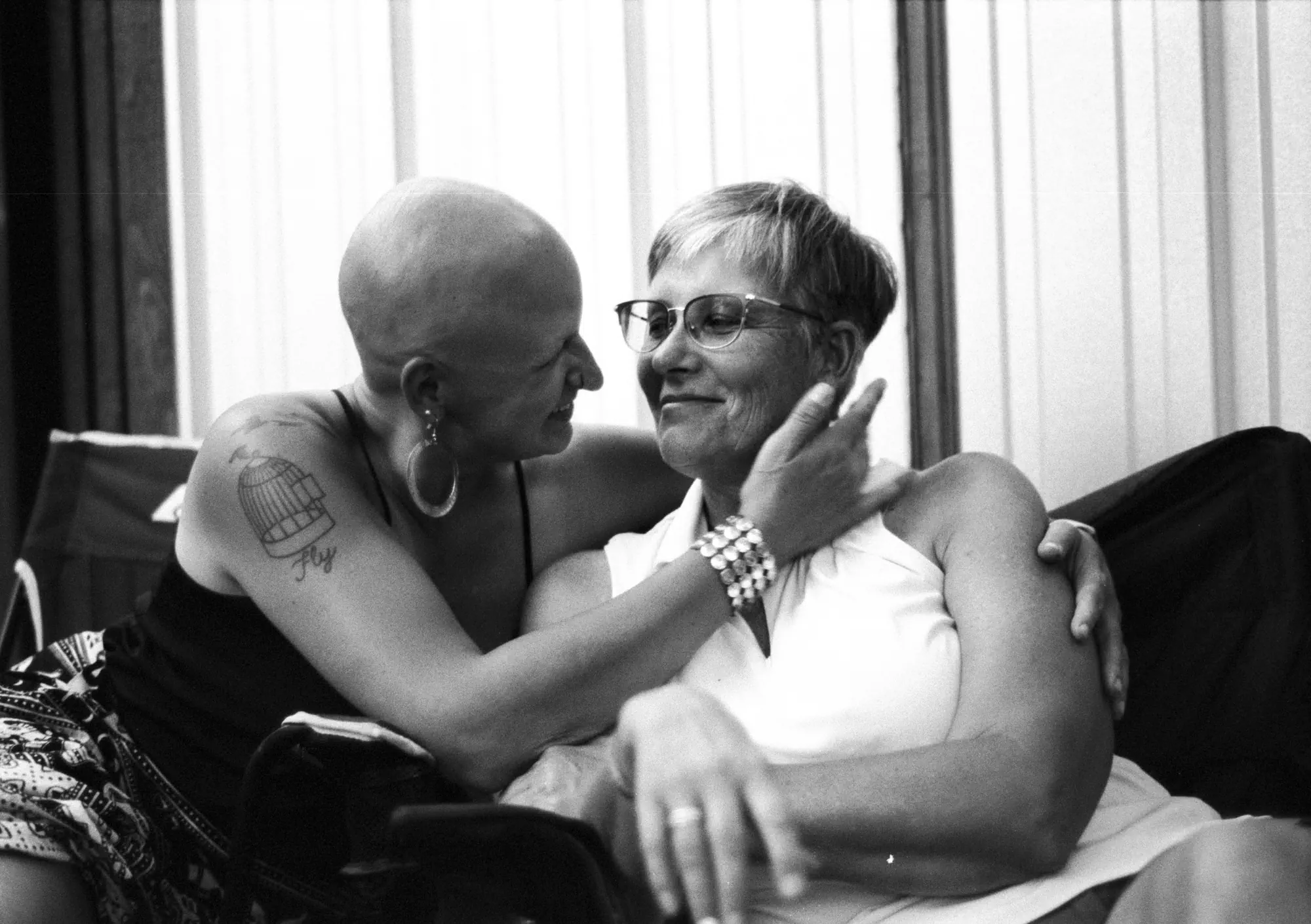

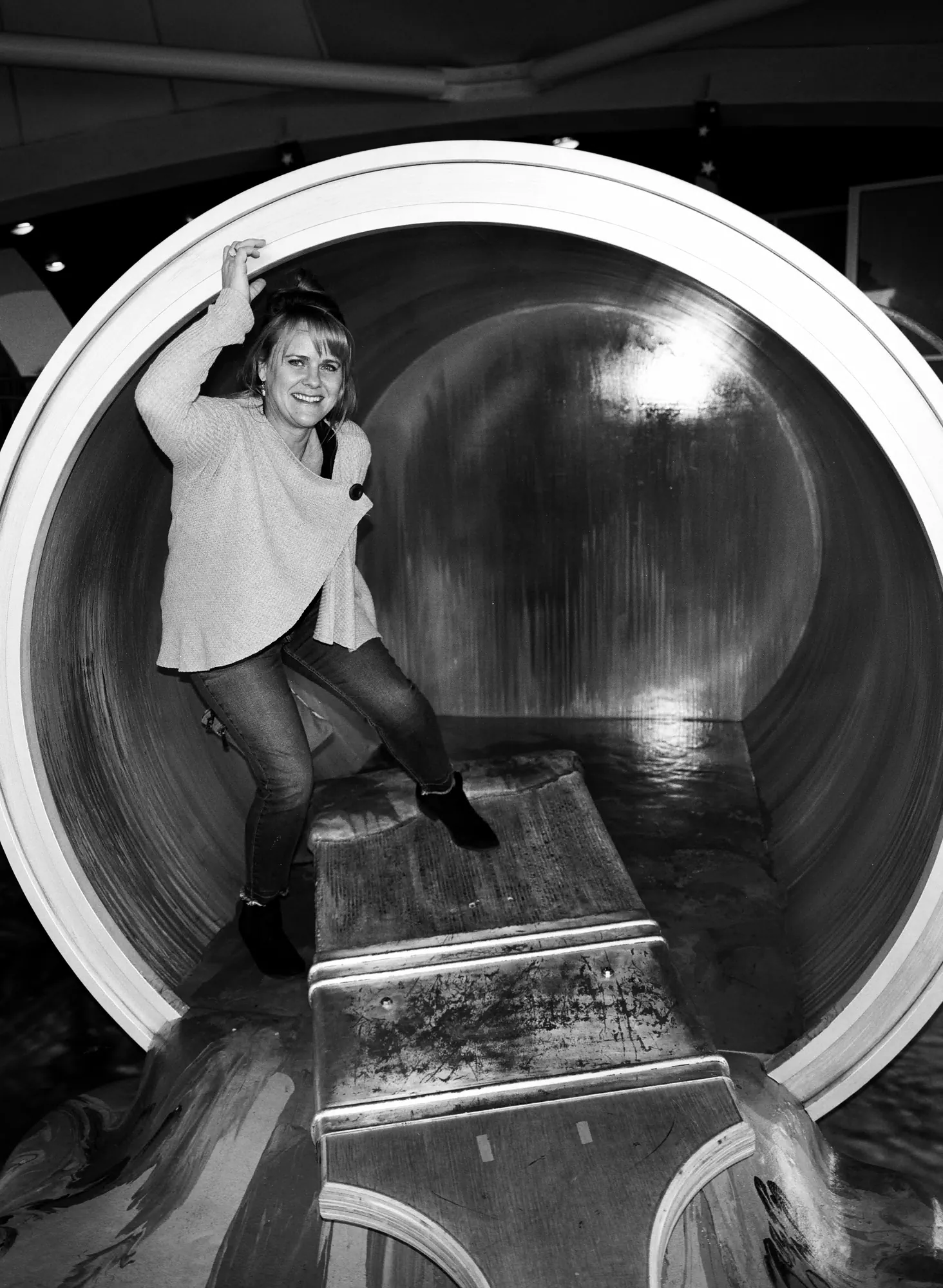
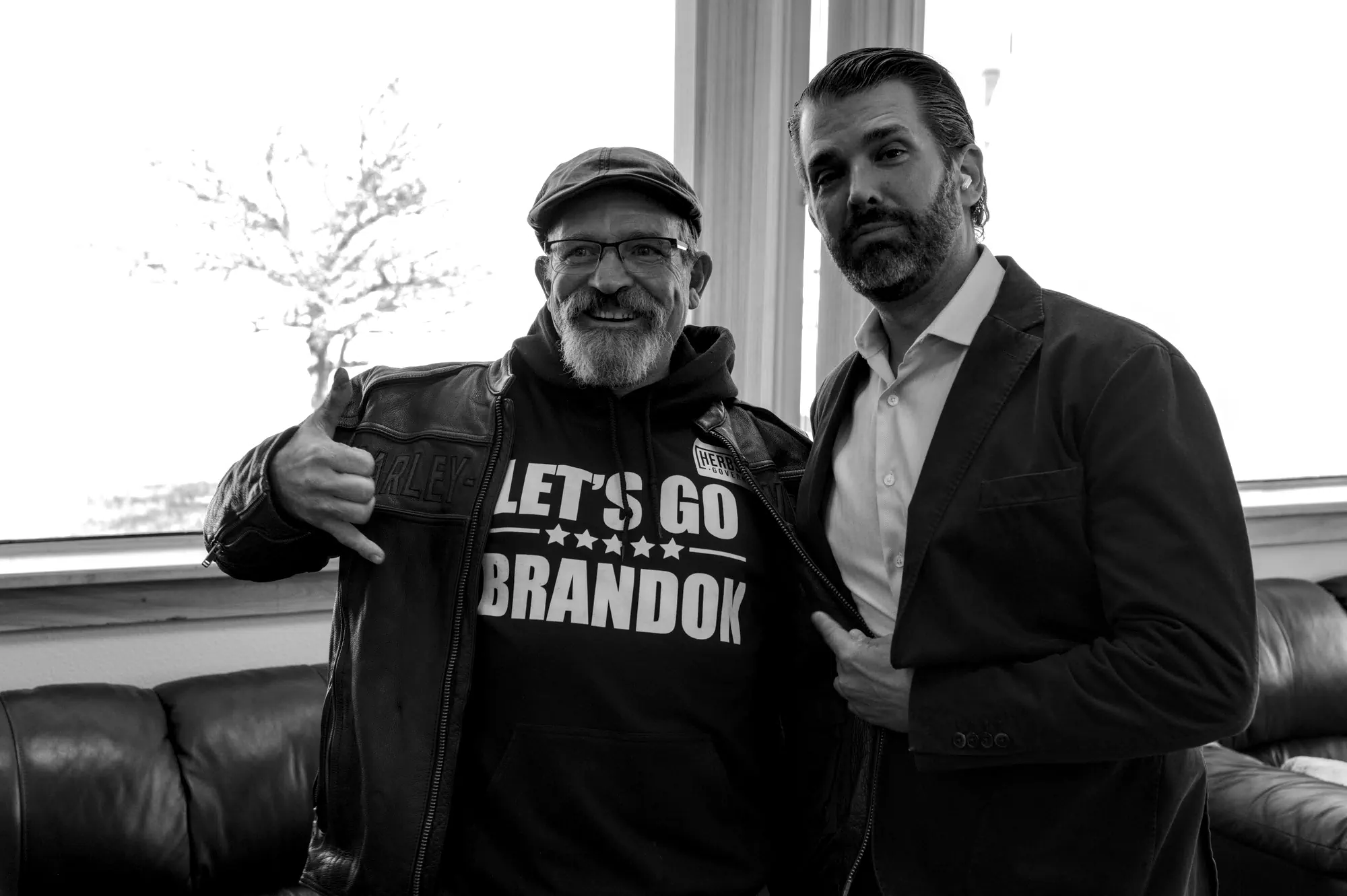
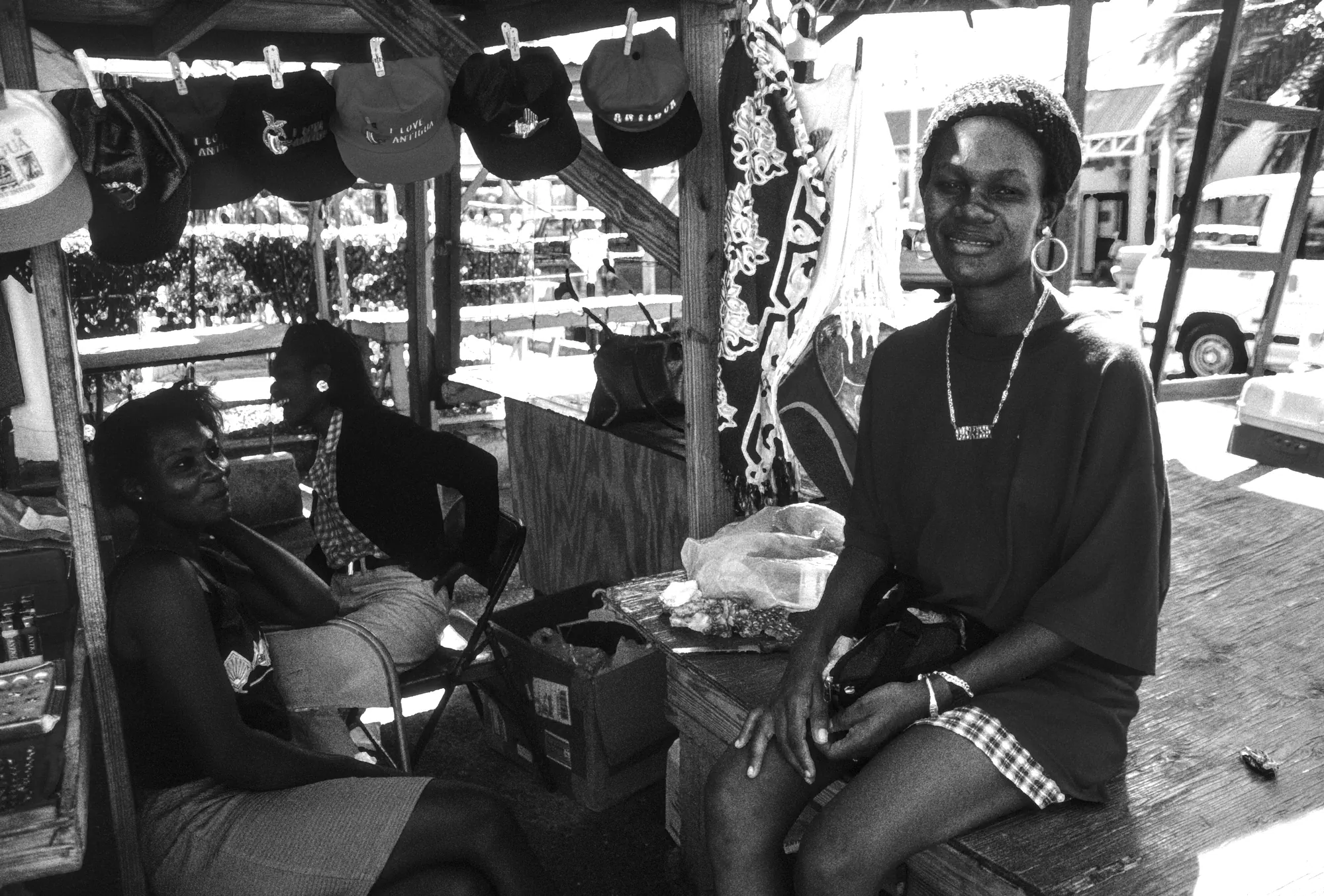
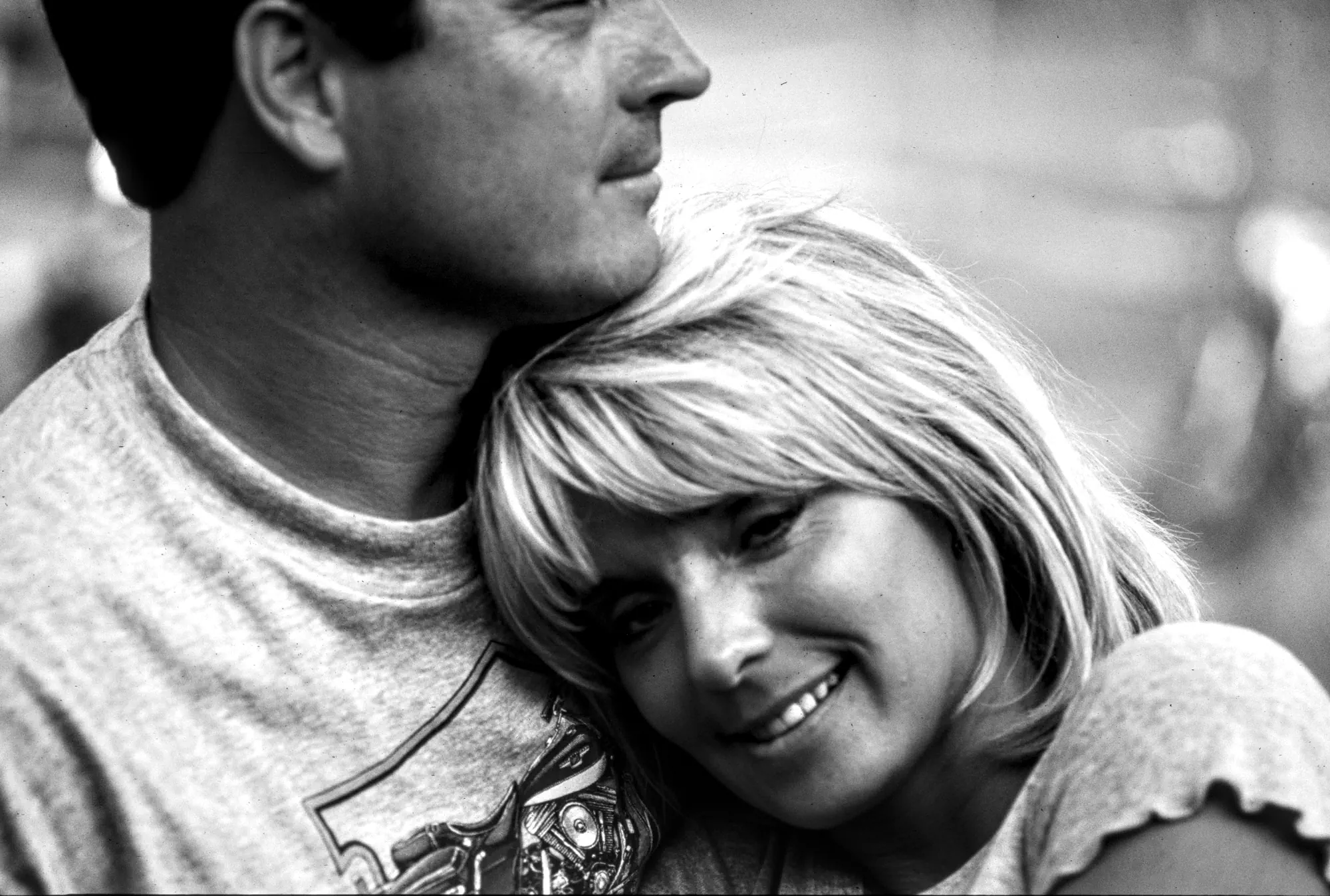
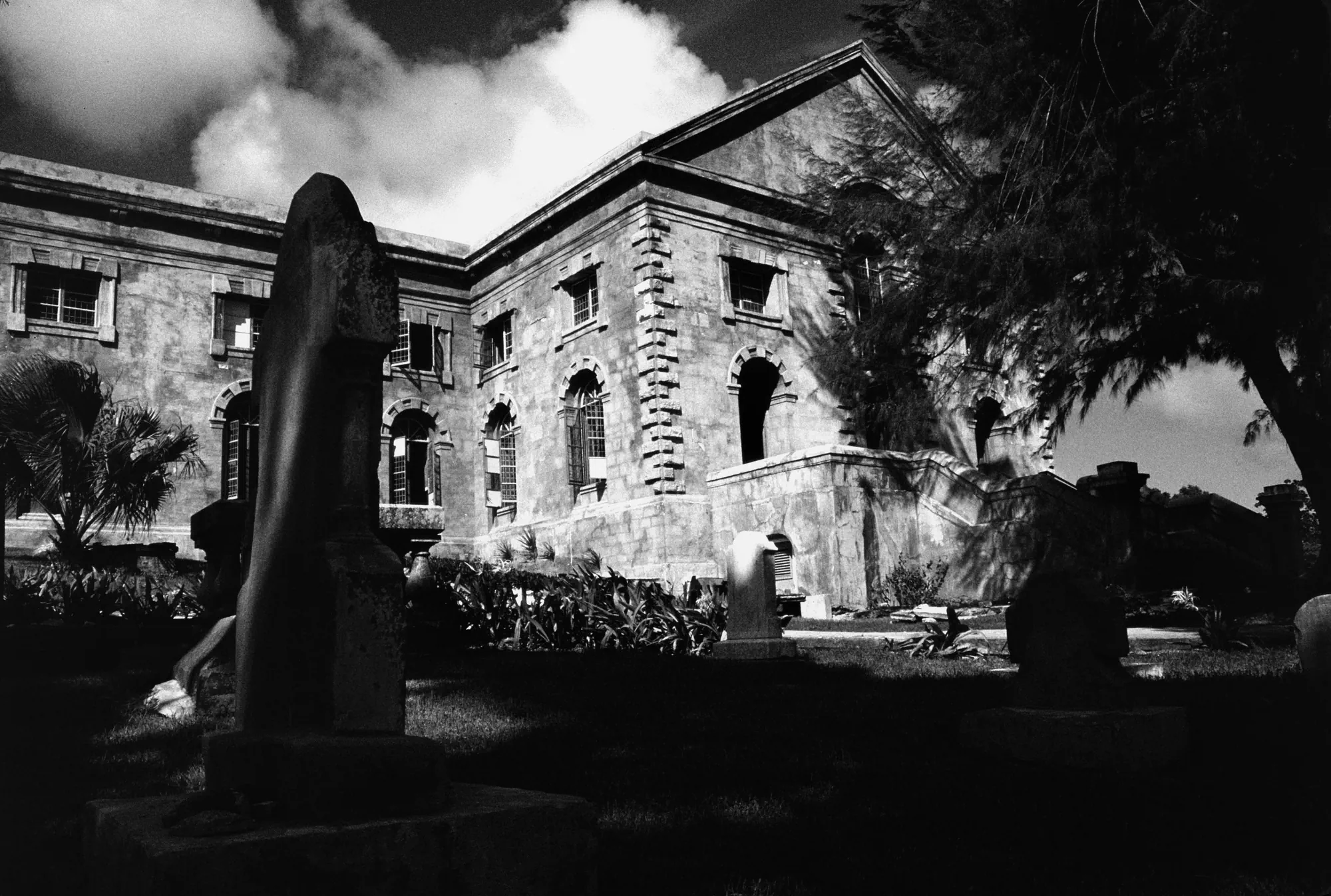
Clients sometimes expect photography to be about equipment, but in practice it is about observation. Stability and control matter because they allow me to work quietly and confidently, whether in a wedding ceremony, a live event, or a documentary situation. The goal is never to impress someone with a camera. The goal is to create an image that feels natural and honest.
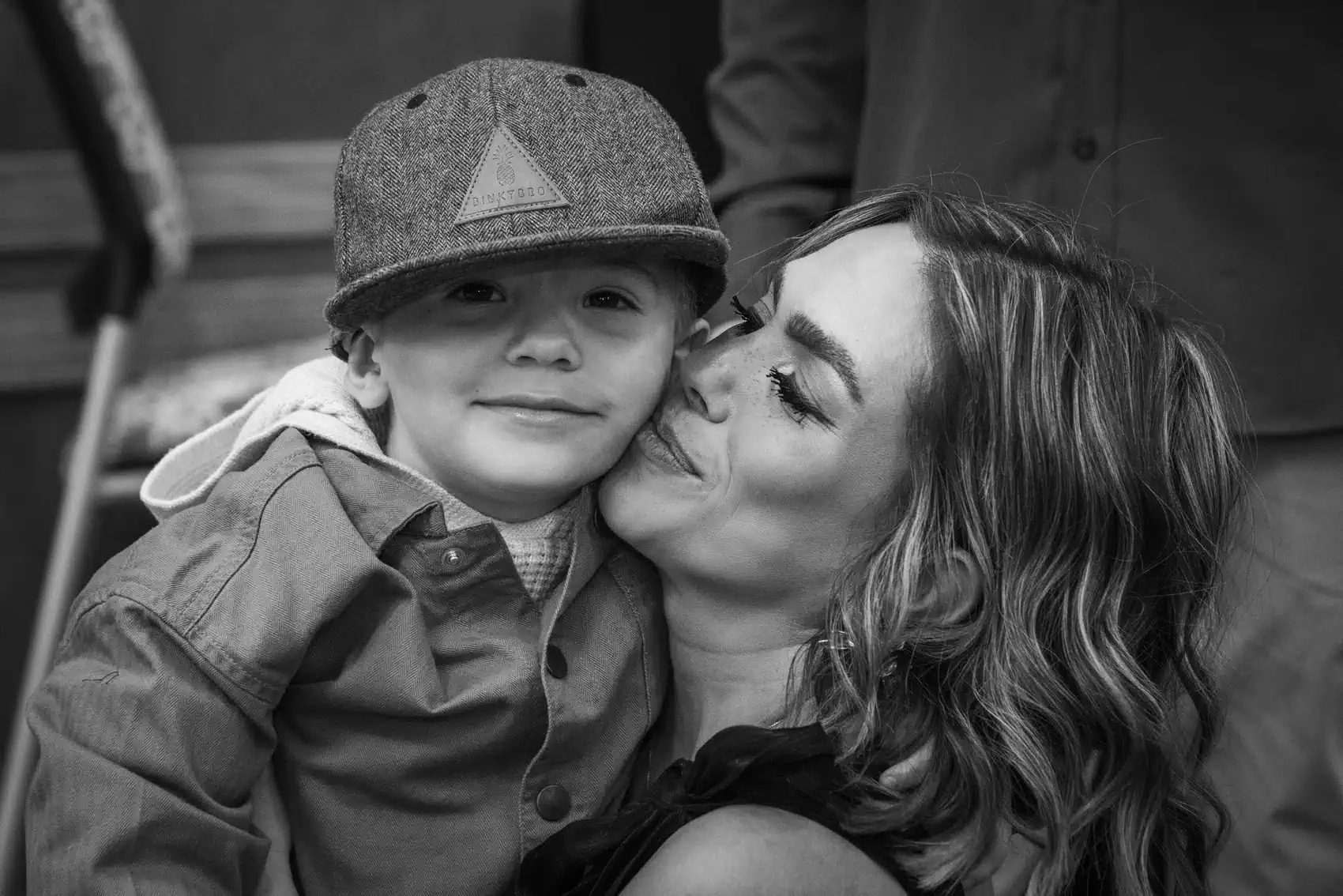
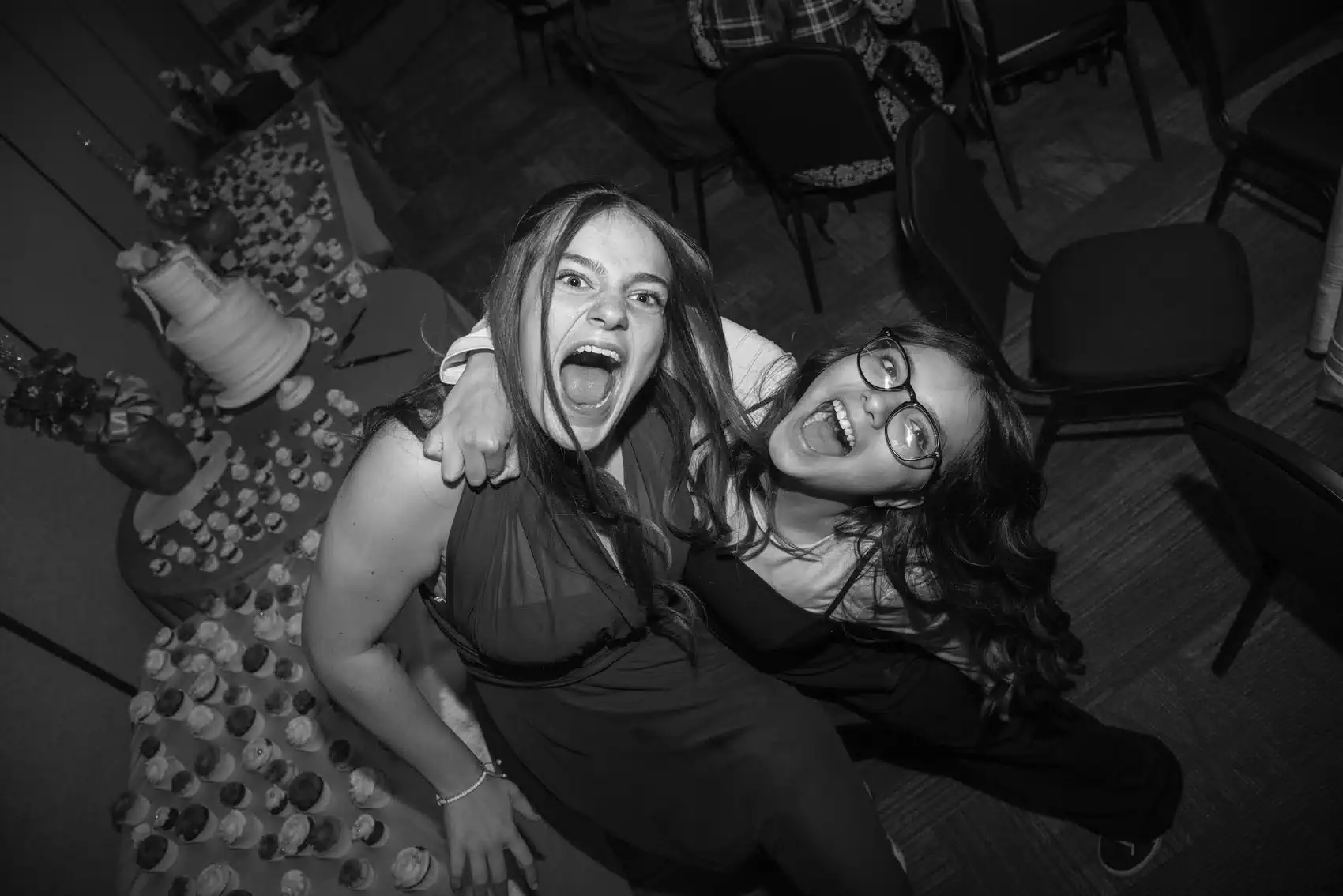
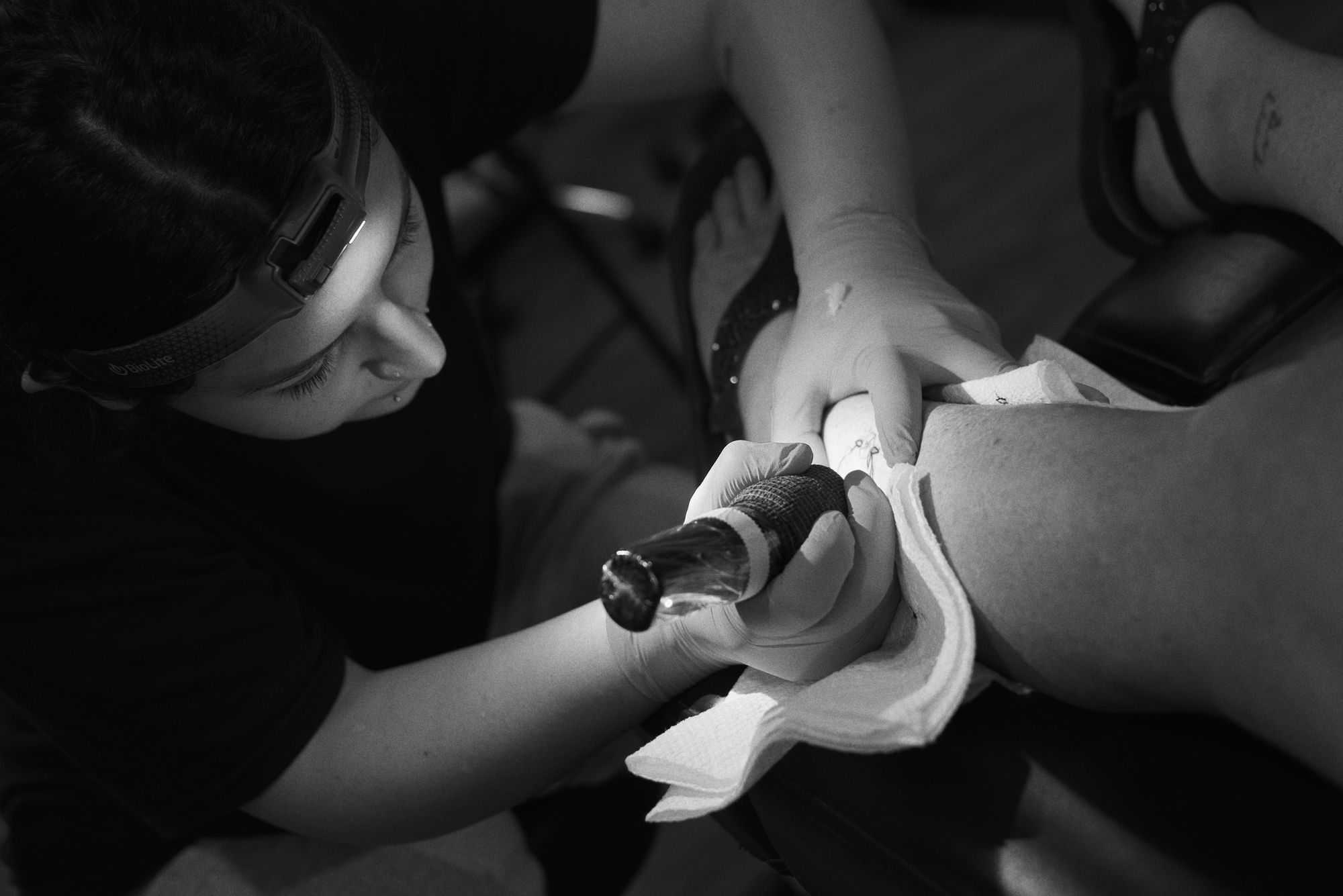
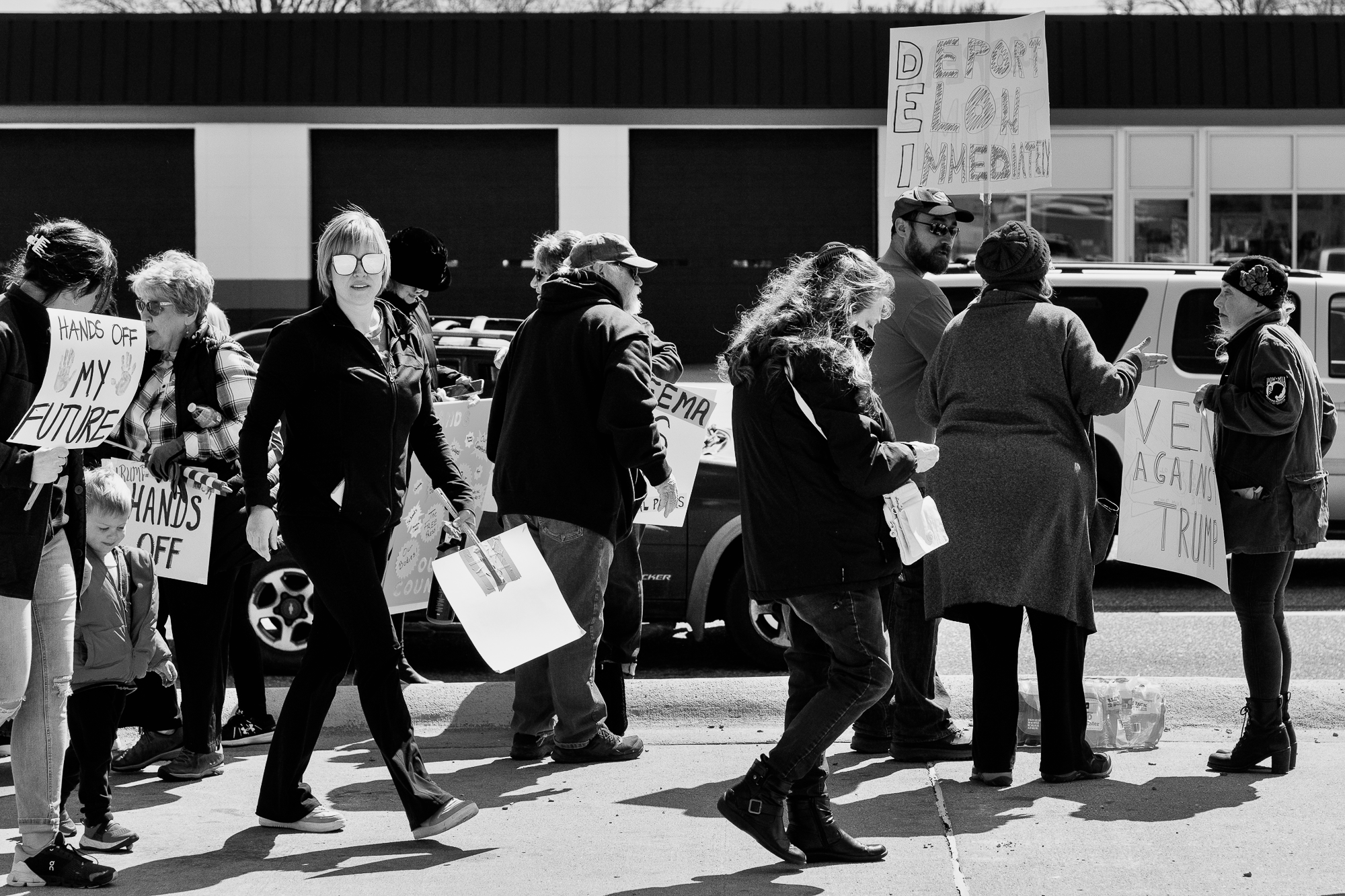
In the end, cameras record light, but photographers interpret it. The technology supports the work, yet it does not create the photograph by itself. I rely on good tools, but I rely more on experience, timing, and understanding how light interacts with a subject. The equipment helps me do my job, but it is never the reason the photograph succeeds. The photograph succeeds because the moment was seen, anticipated, and captured with intention.