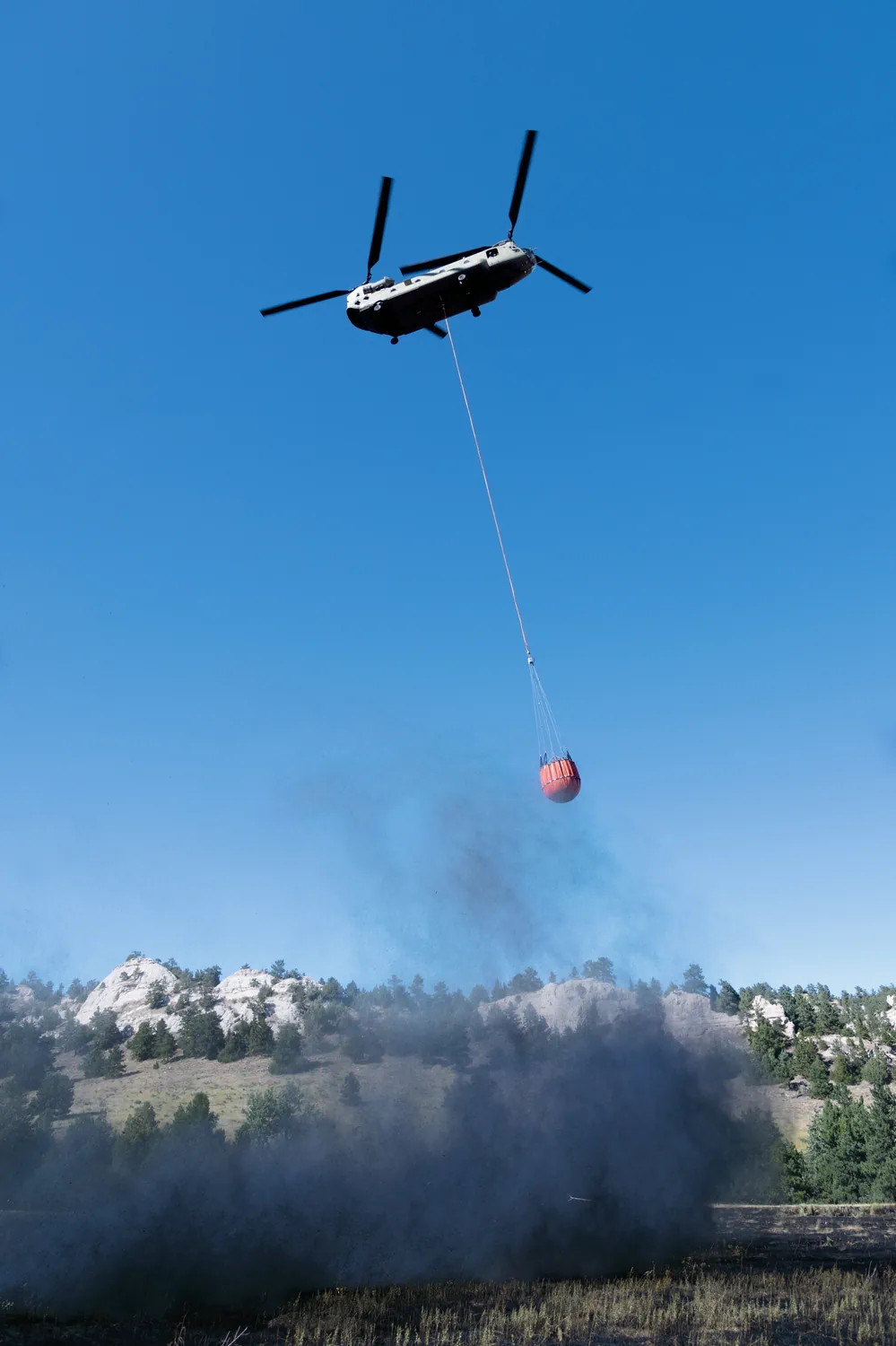
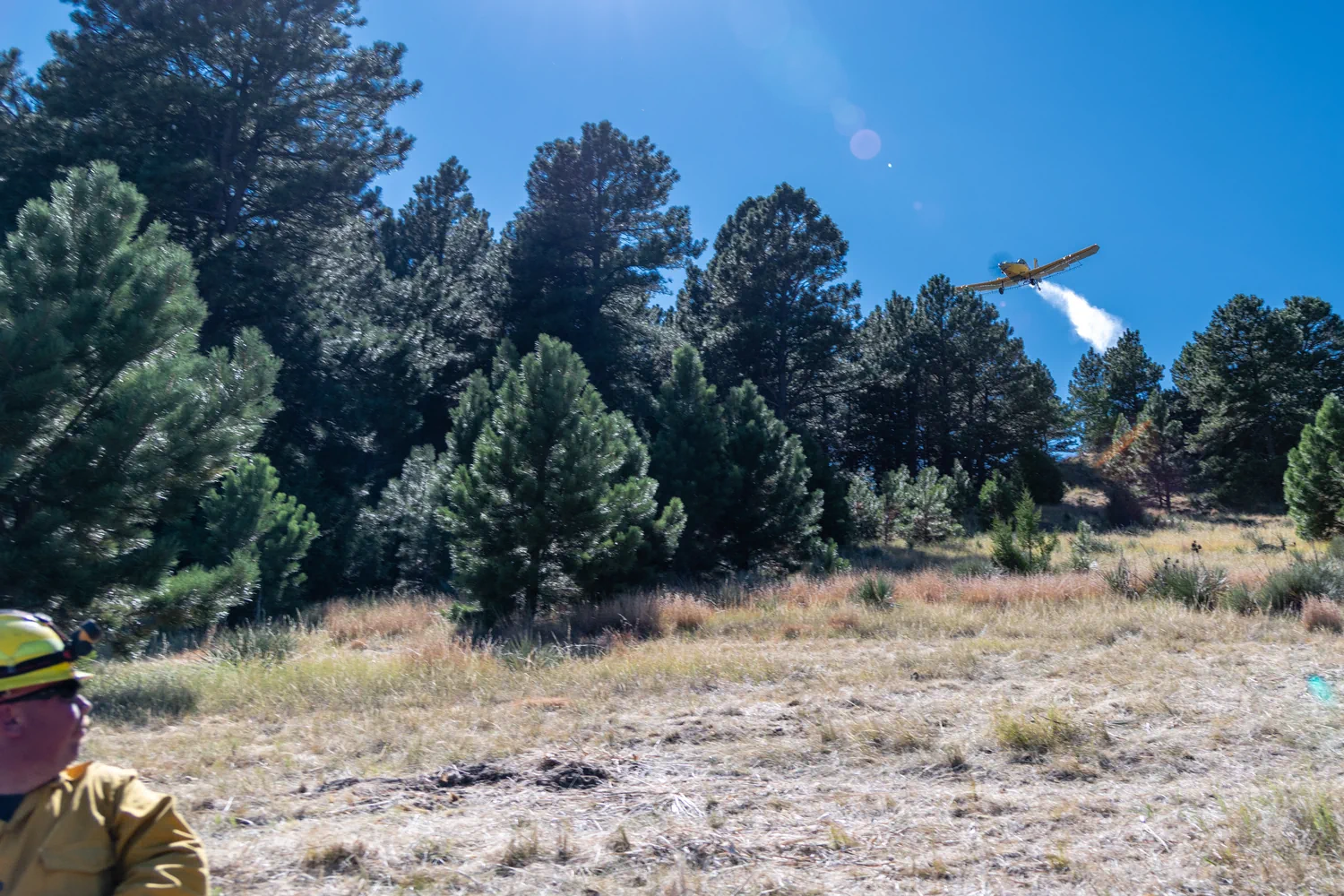
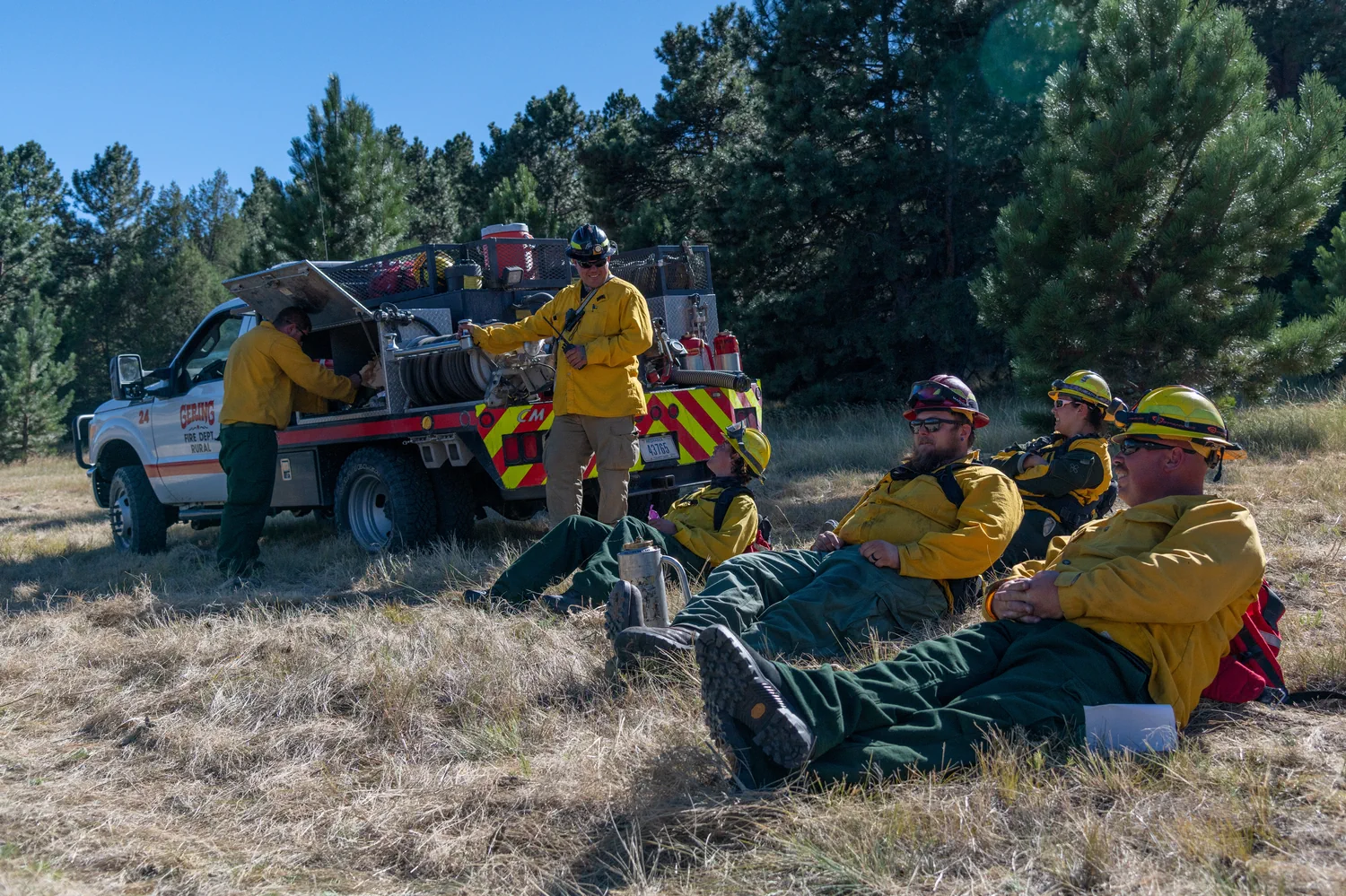
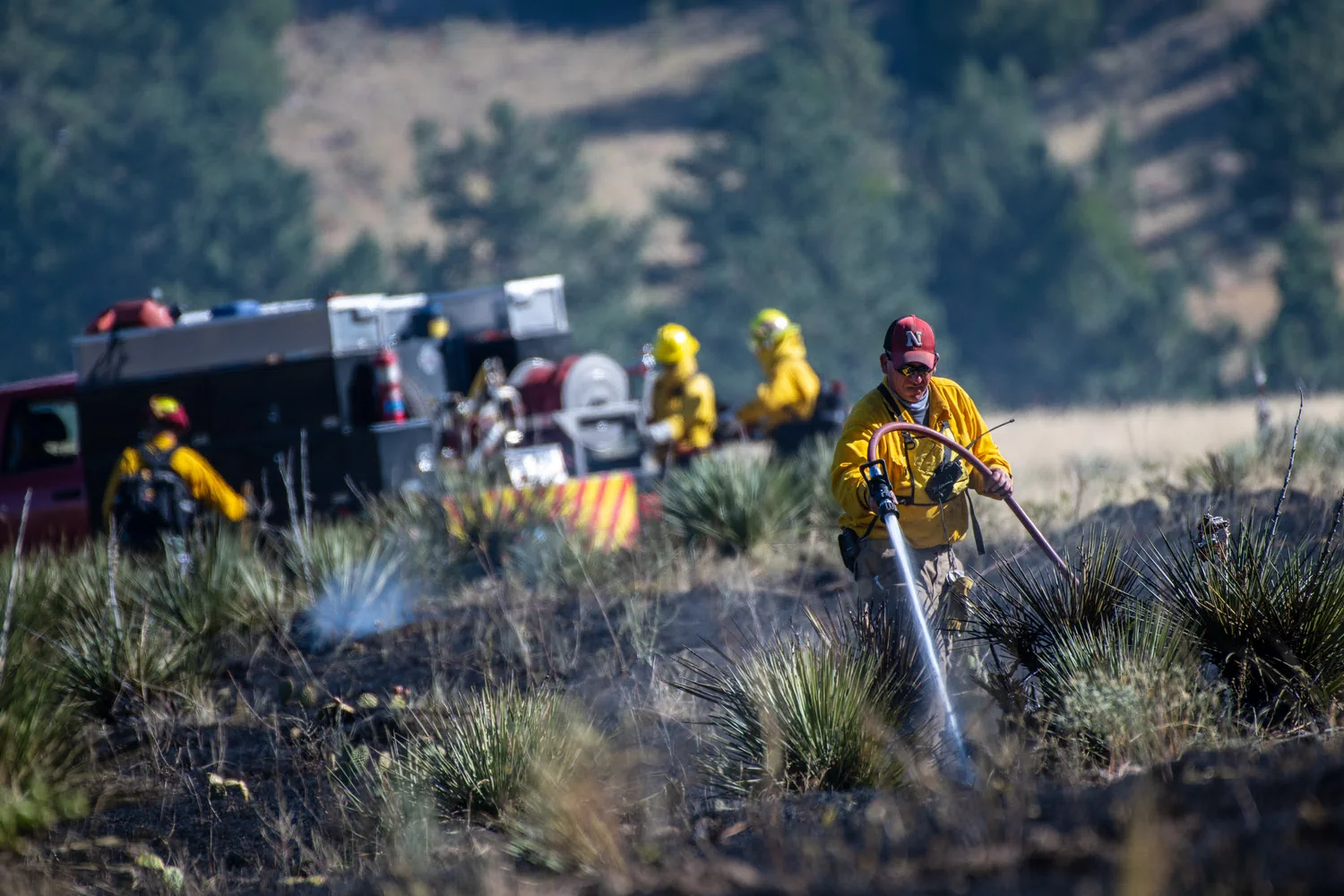
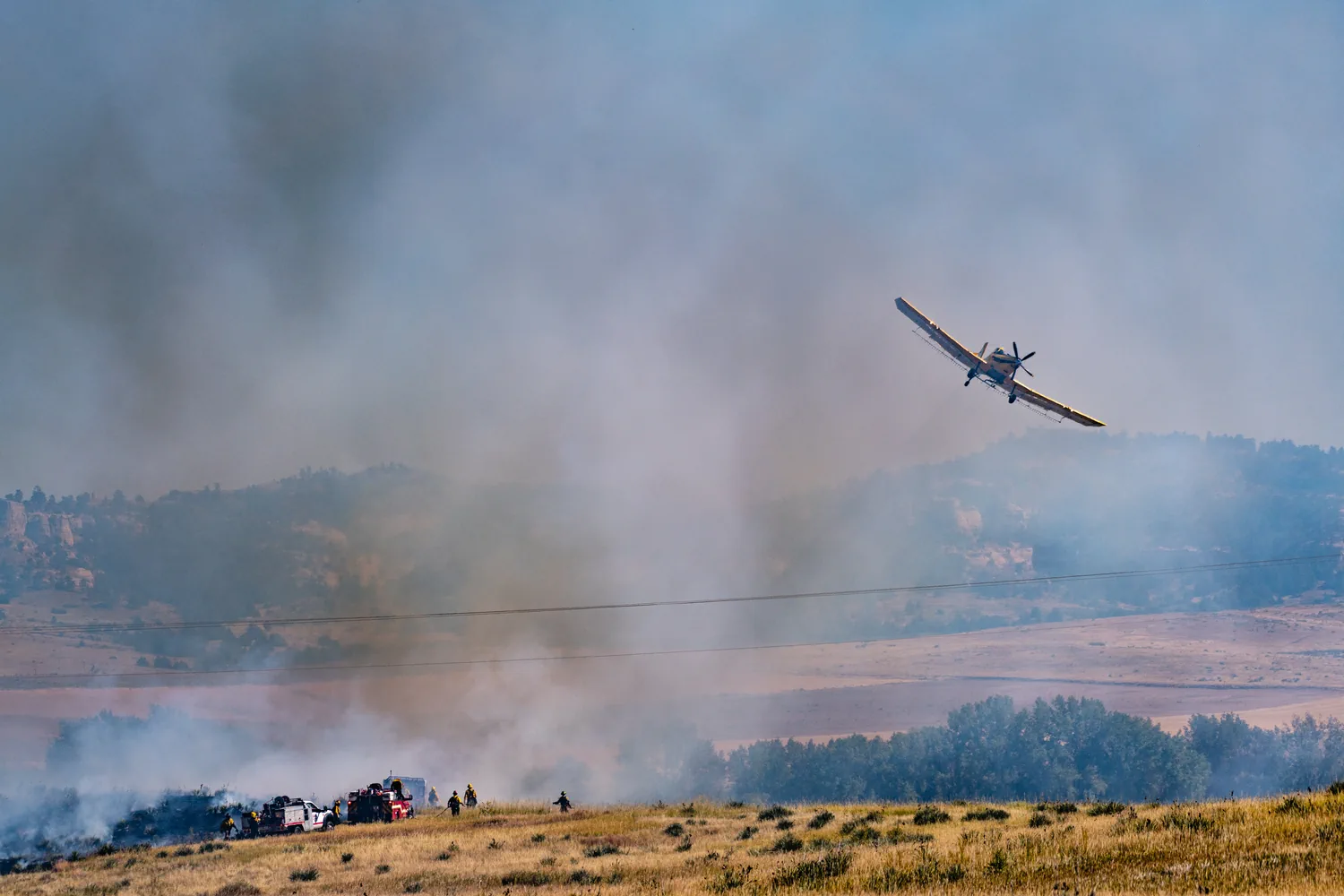
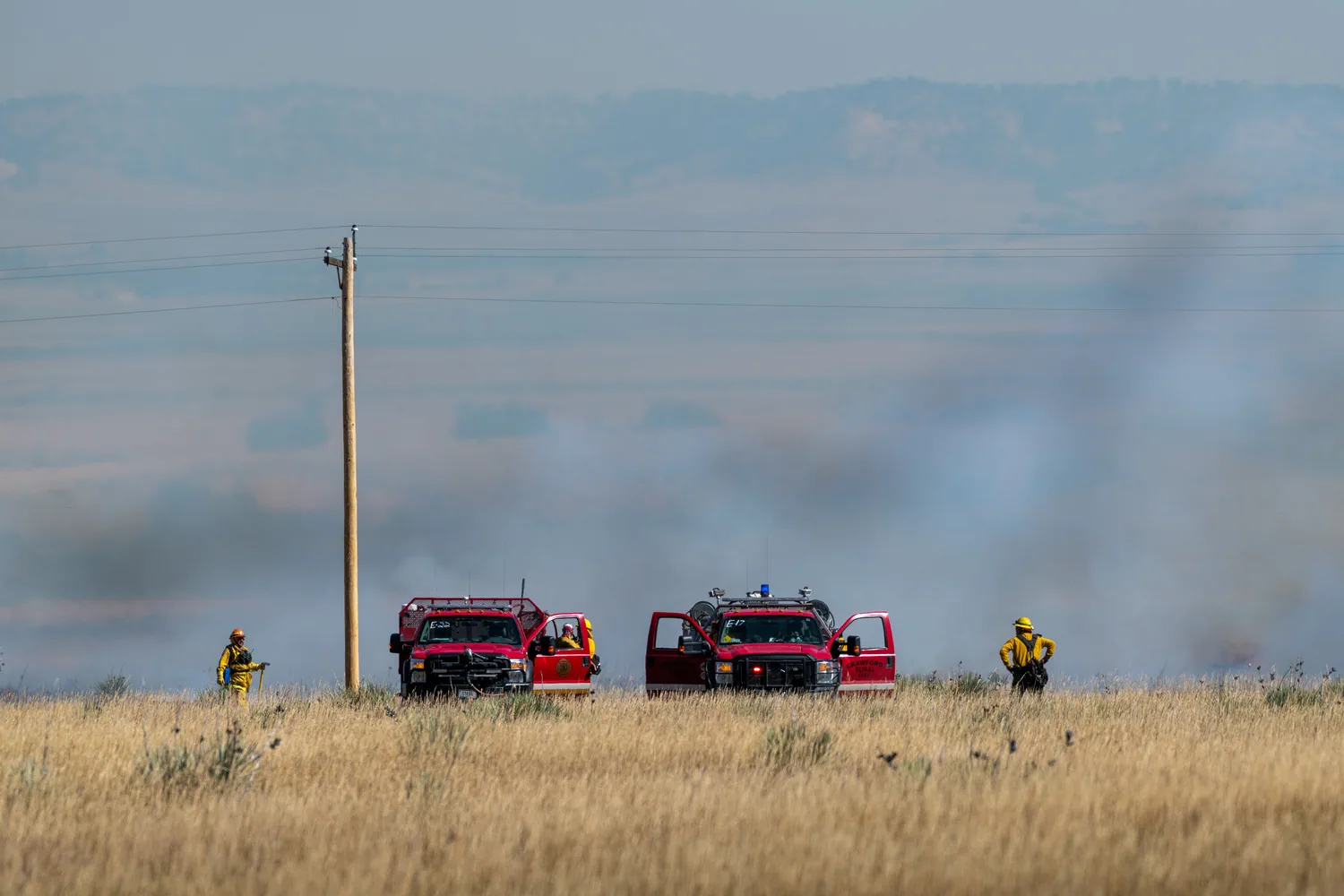
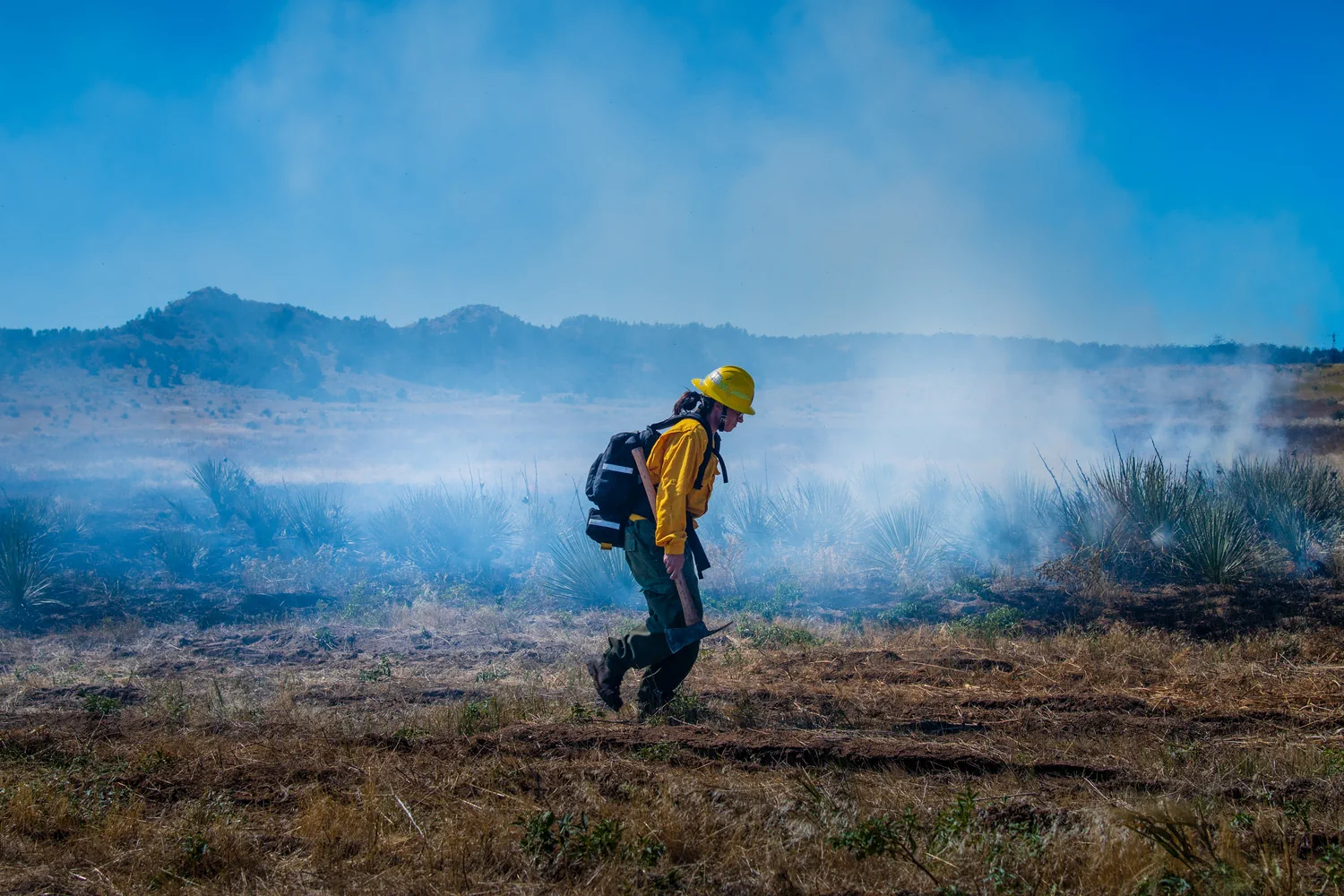
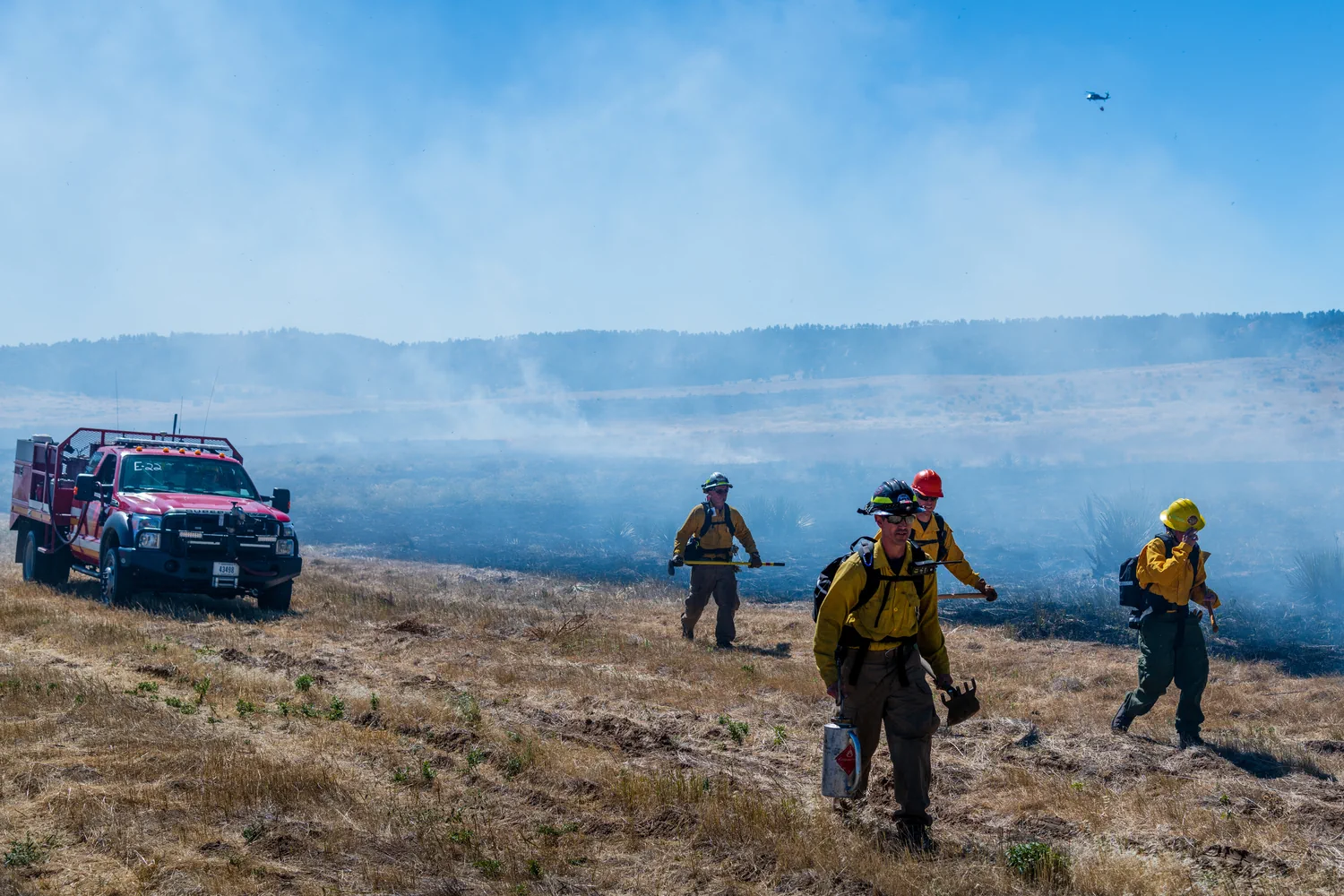
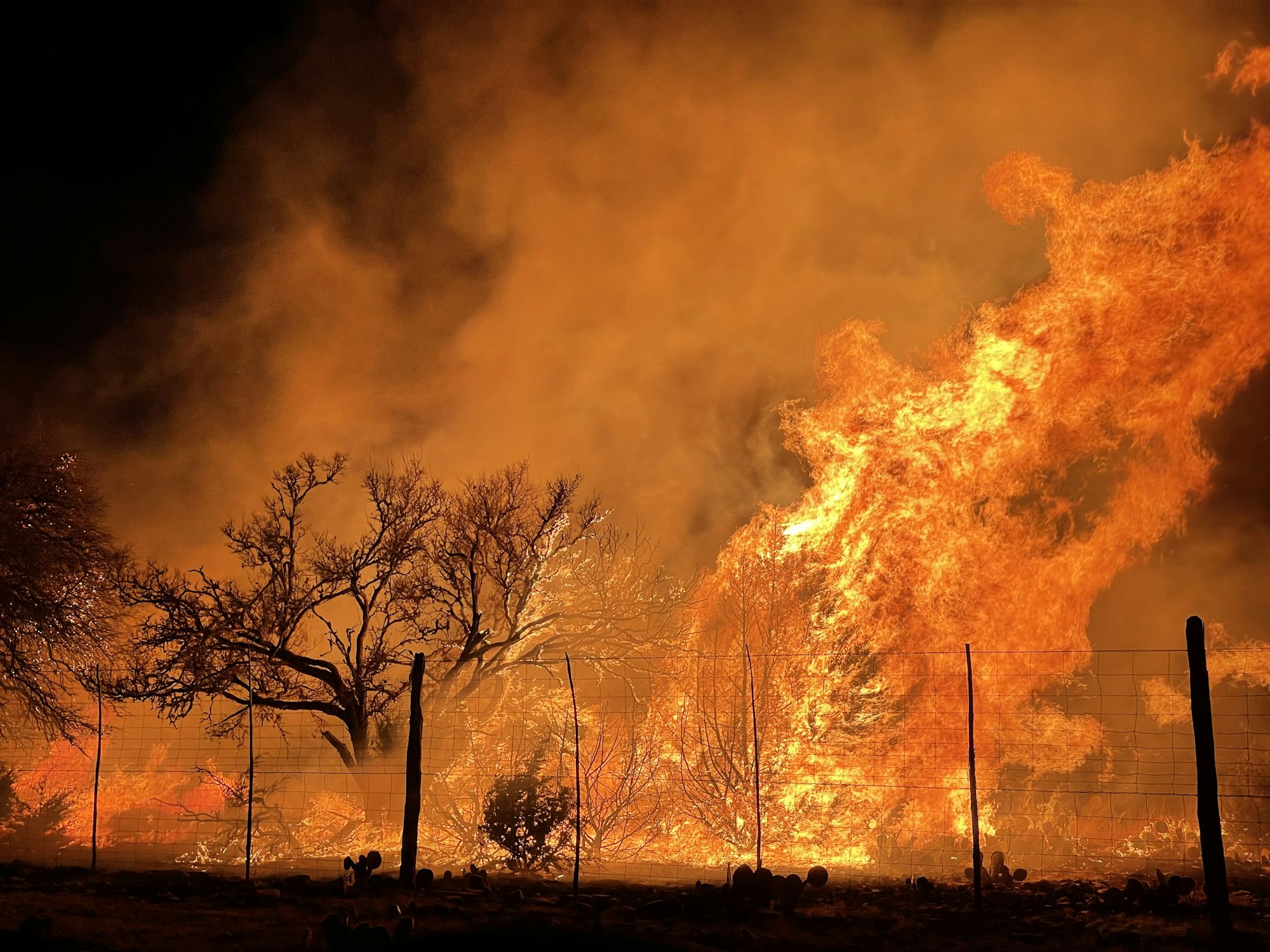
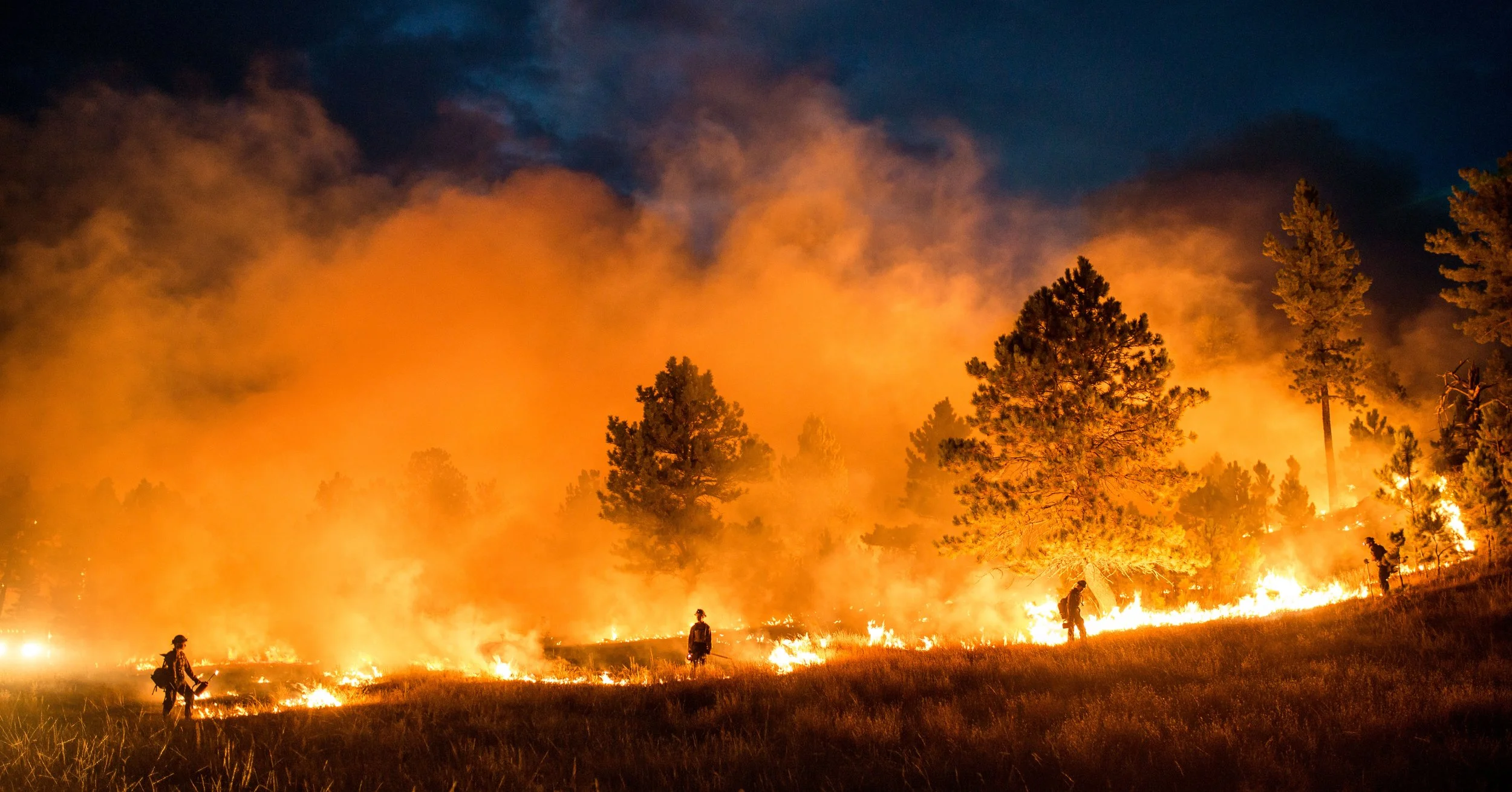
In many towns, especially across rural America, the people who answer emergency calls are not career responders but volunteers. Volunteer firefighters and EMTs begin their days like everyone else in the community. They work regular jobs, run businesses, raise families, and attend the same schools, churches, and local events as their neighbors. Then a pager sounds or a siren echoes across town, and ordinary life pauses. Within minutes, those same neighbors become responders, moving from community to courage in service of the people around them.
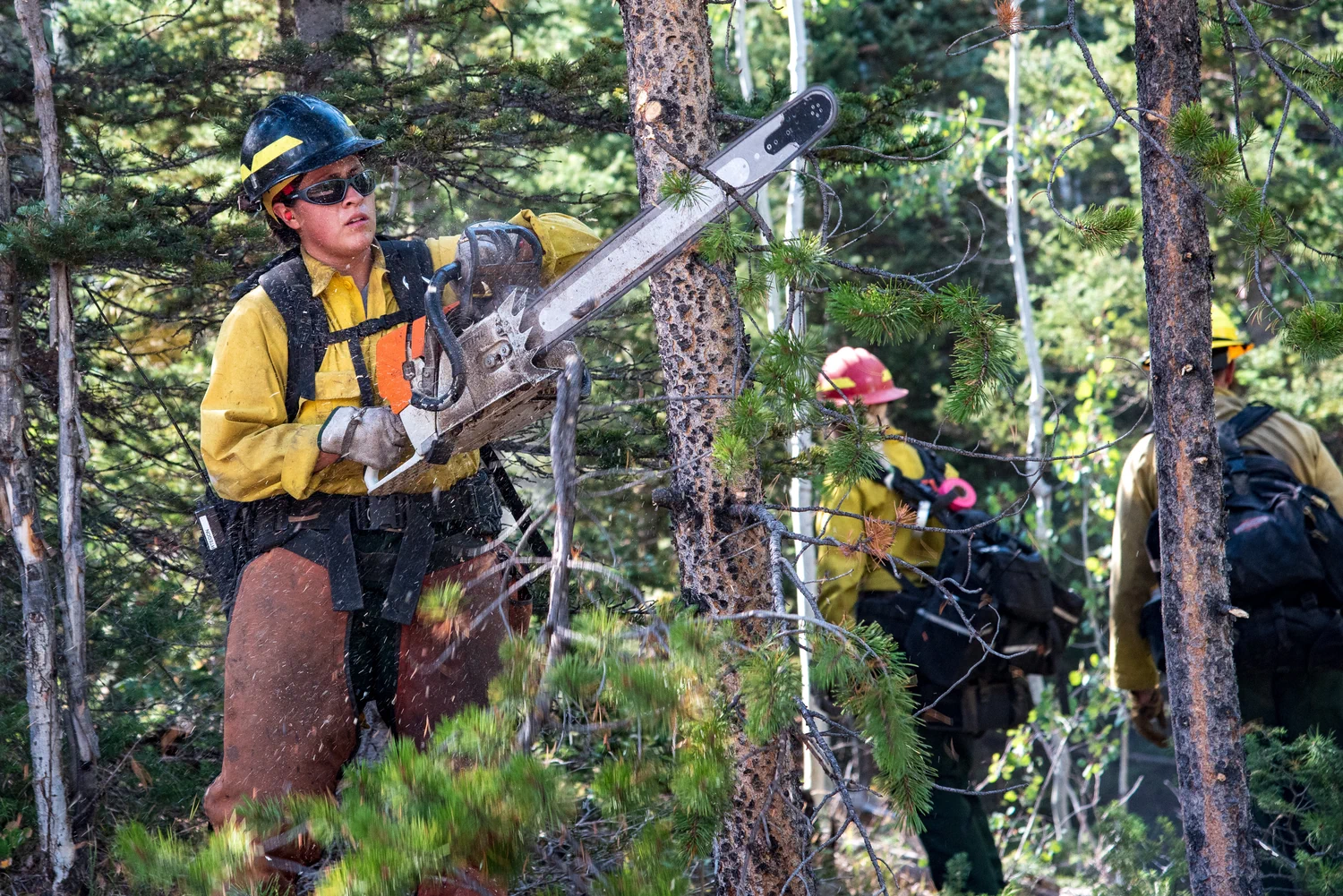
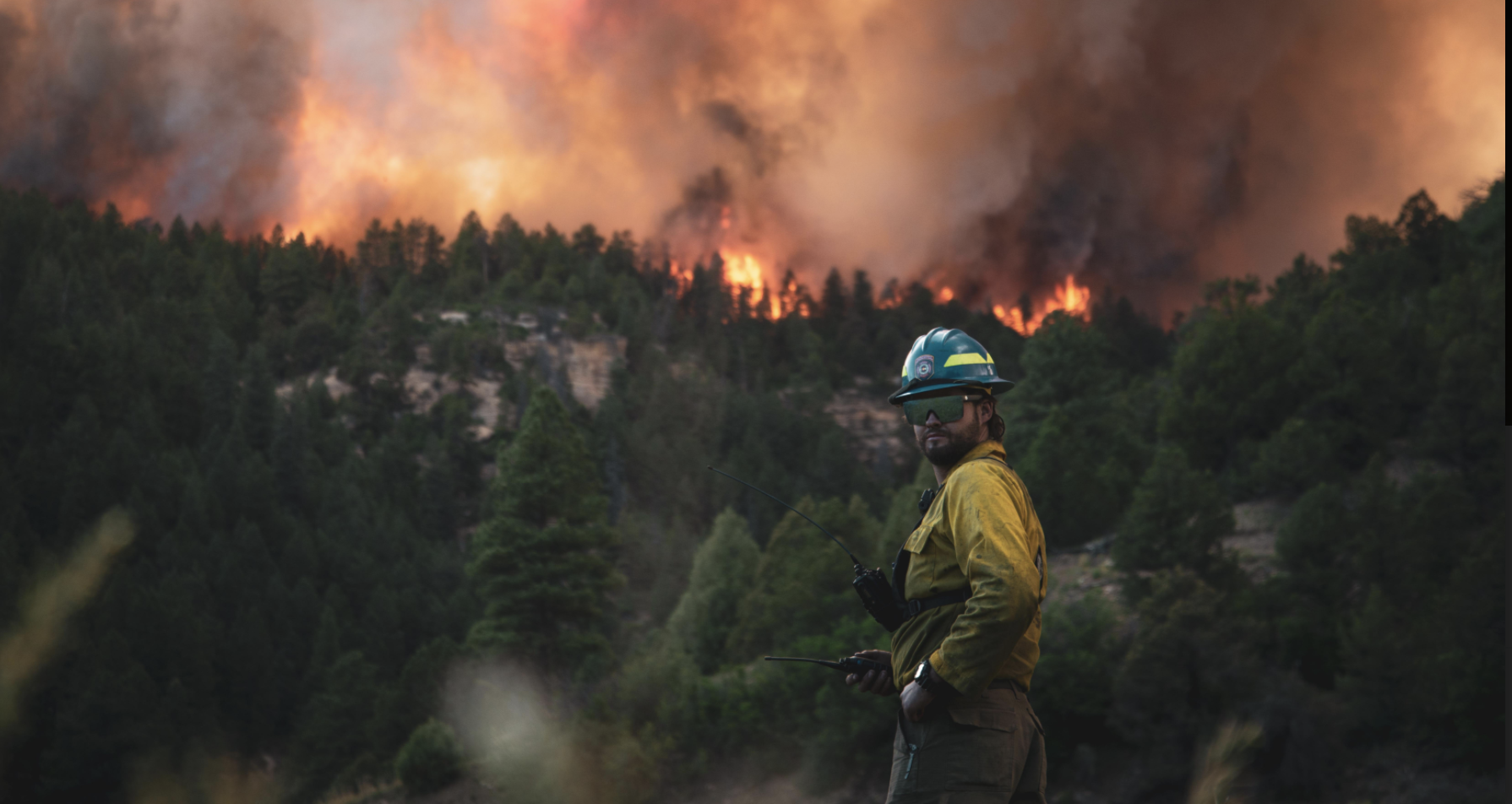
Both volunteer firefighters and EMTs train constantly to be ready for moments most people never want to face. Firefighters learn how to control structure fires, fight wildland blazes, perform rescues, and operate complex equipment. EMTs train to stabilize injuries, treat medical emergencies, manage trauma, and keep patients alive long enough to reach a hospital. Much of this training happens after long workdays or on weekends, often in small fire halls or local training grounds. The gear may be worn, and the budgets tight, but the responsibility is enormous.
What makes these volunteers unique is that they are often responding to the emergencies of people they know personally. The house fire may belong to a neighbor. The car accident might involve someone from the local school. The medical call could be a friend, a family member, or a familiar face from the grocery store. That personal connection deepens the sense of duty. Volunteer firefighters and EMTs are not strangers arriving from somewhere else; they are members of the same community stepping forward when things go wrong.
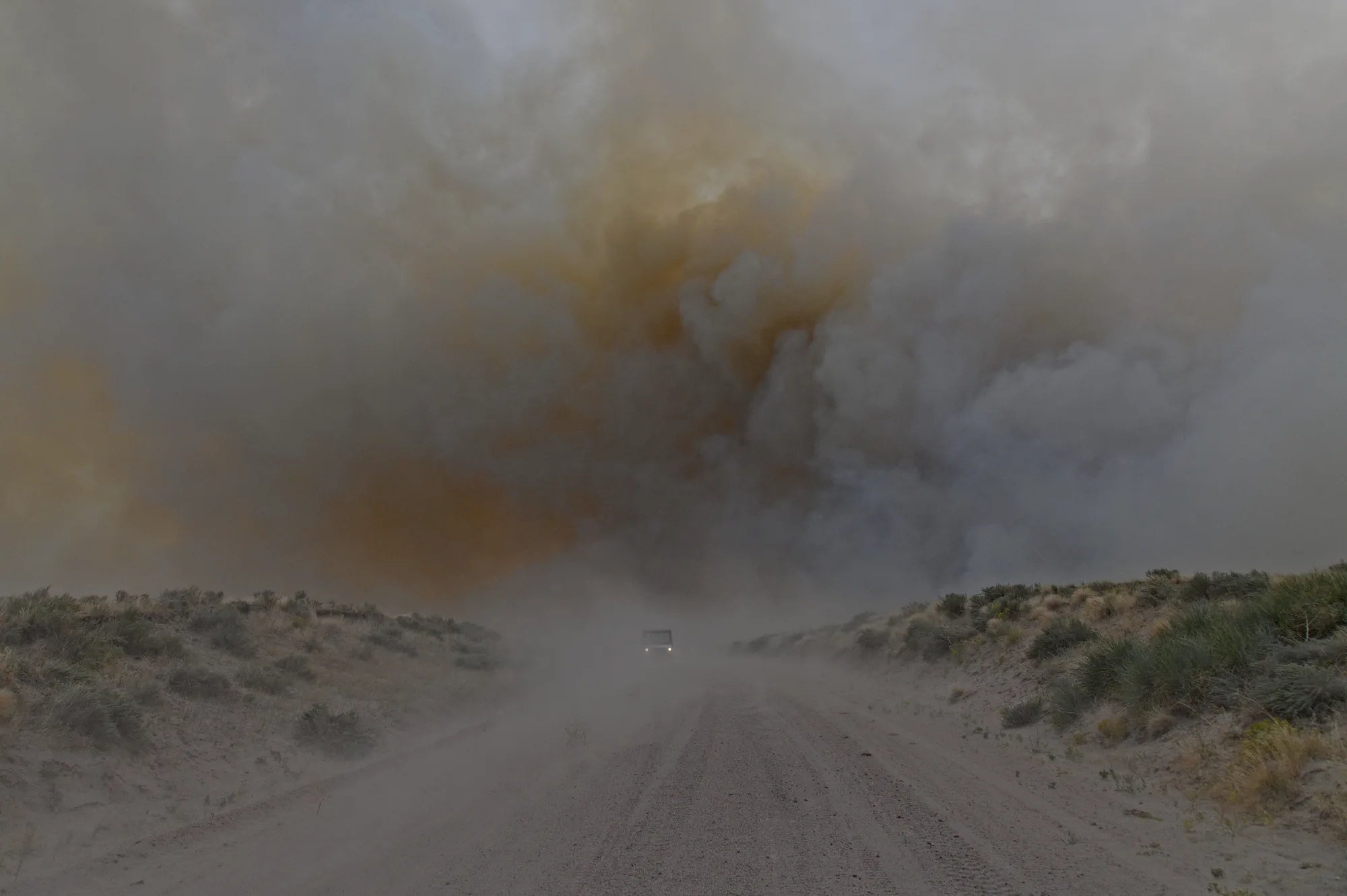
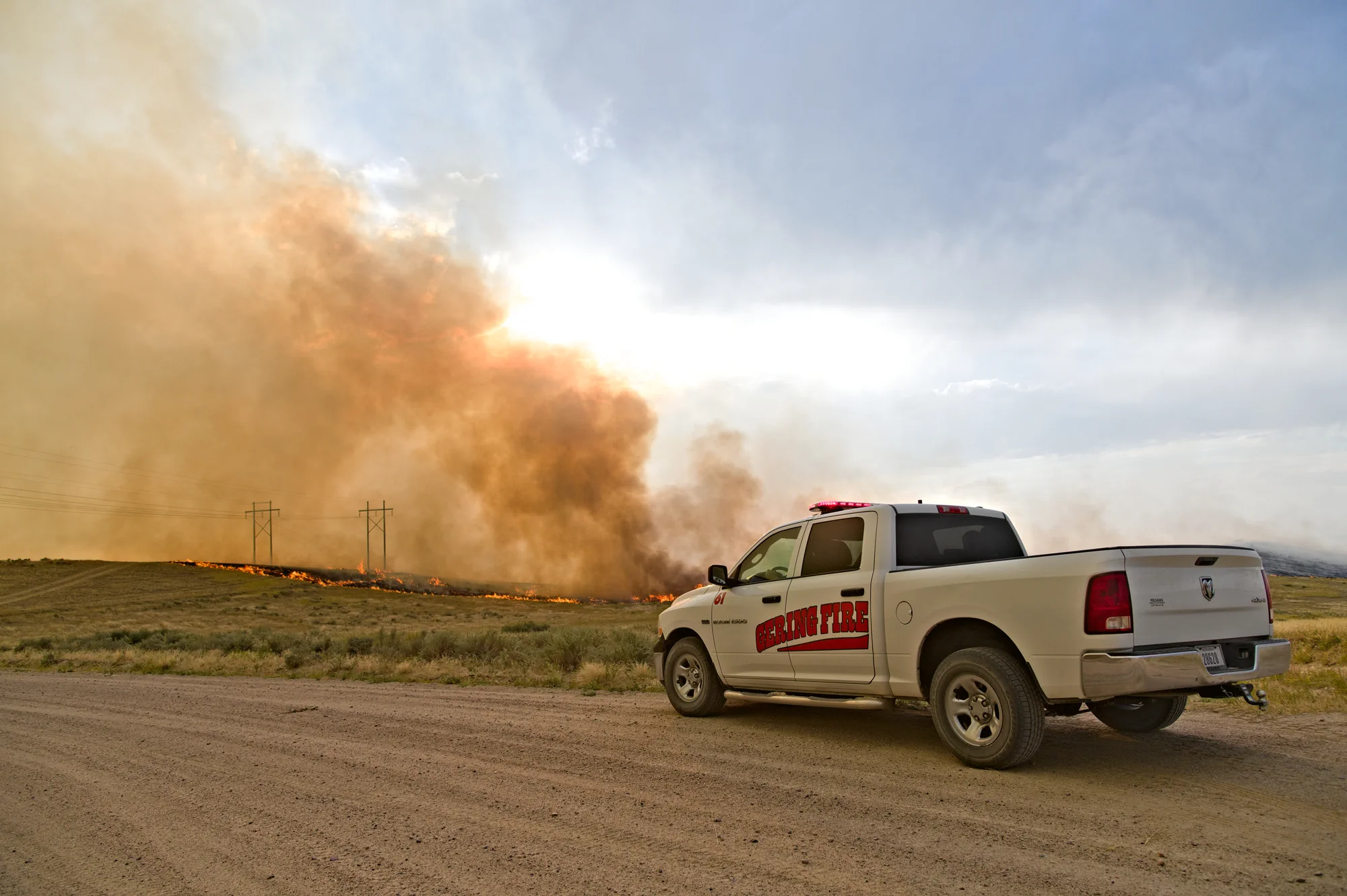
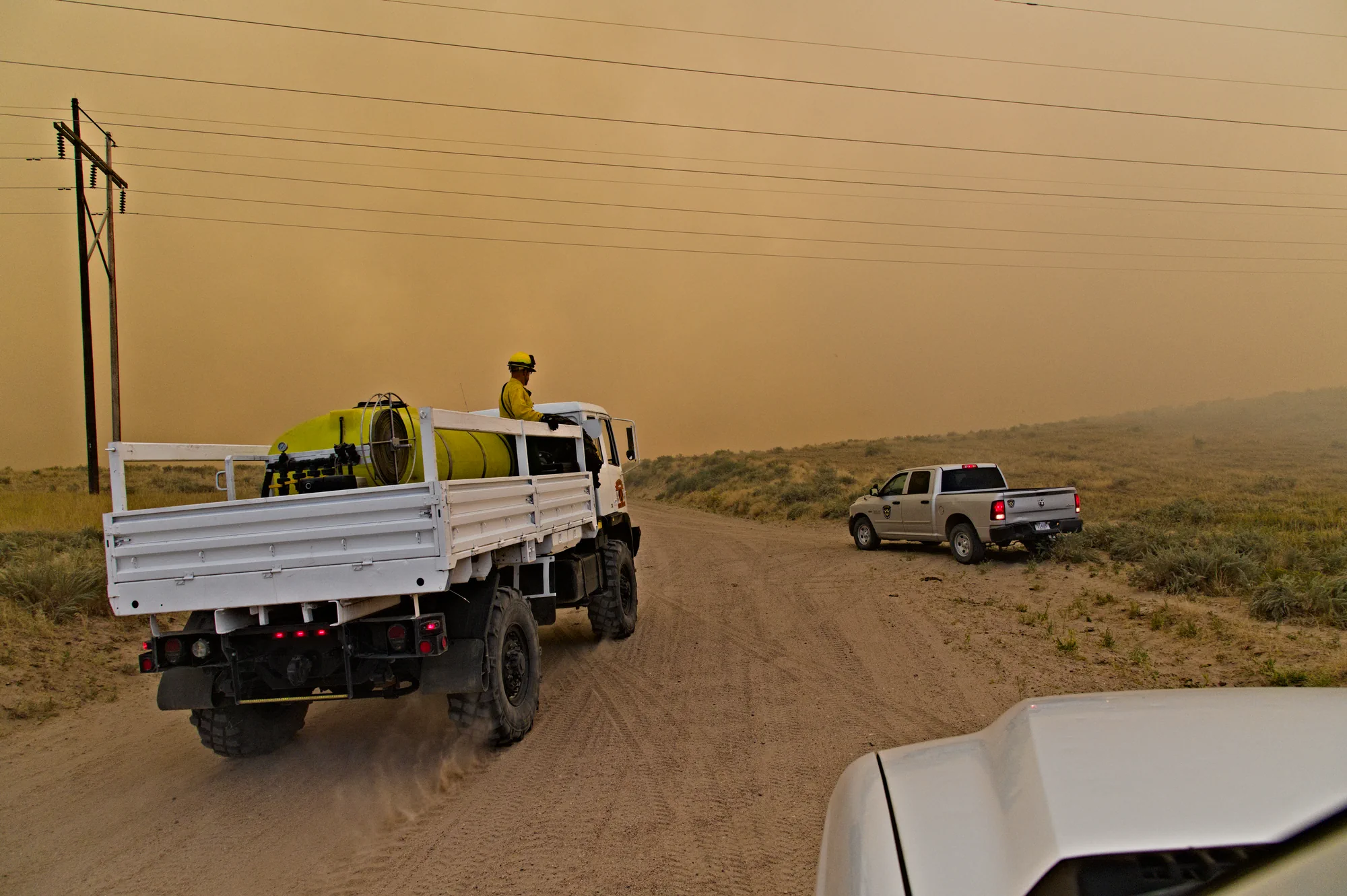
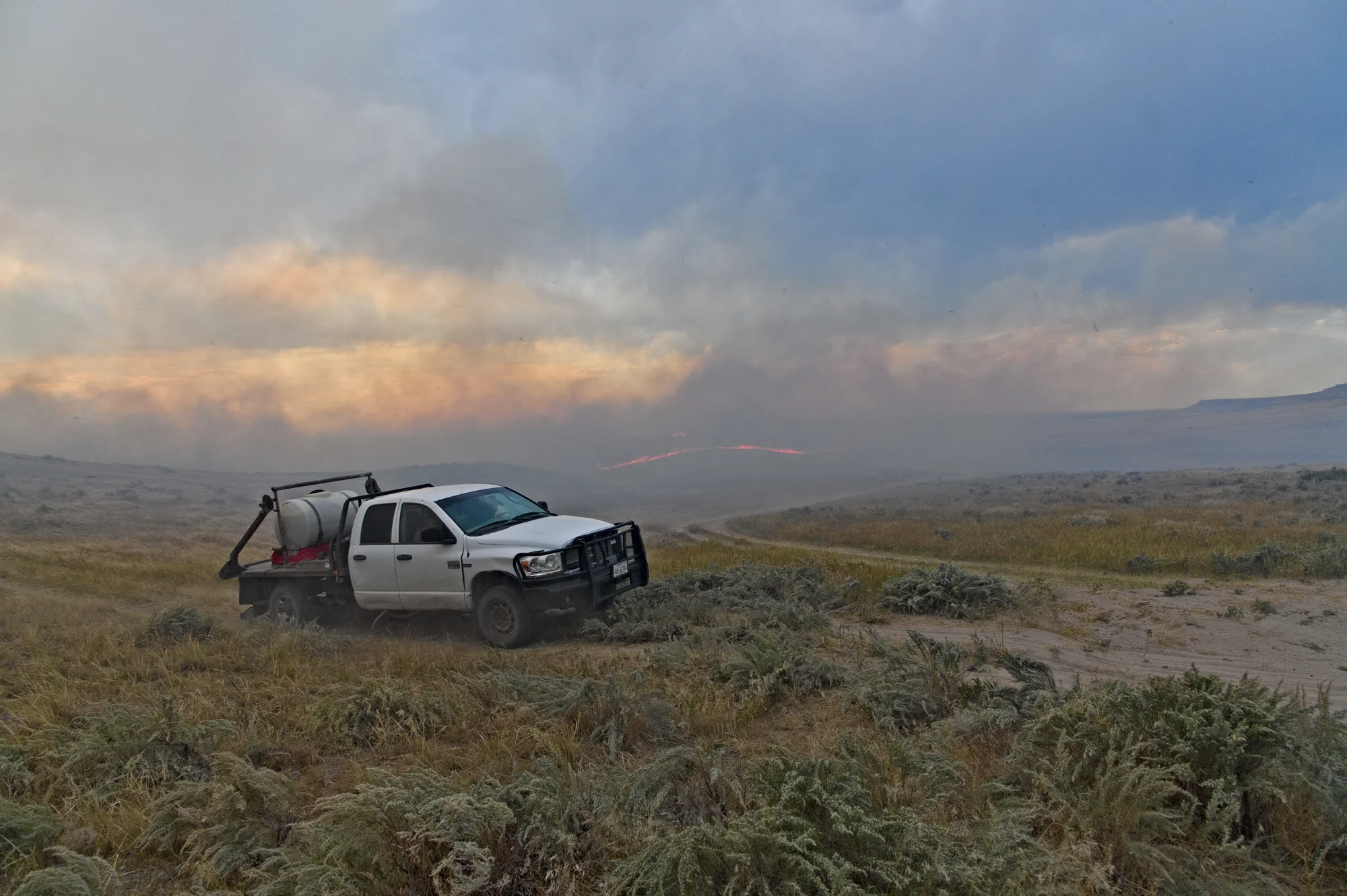
In rural areas especially, volunteer departments and emergency medical responders form the backbone of public safety. They respond to fires, medical emergencies, vehicle crashes, wildland incidents, and natural disasters—often covering large distances with limited resources. Courage, in this world, does not come from medals or headlines. It comes from the decision to answer the pager, climb into the truck or ambulance, and go help someone in the worst moment of their life.
Volunteer firefighters and EMTs represent something fundamental about community itself. They remind us that the safety of a town often rests not on institutions or budgets, but on ordinary people willing to step forward and serve when their neighbors need them most.