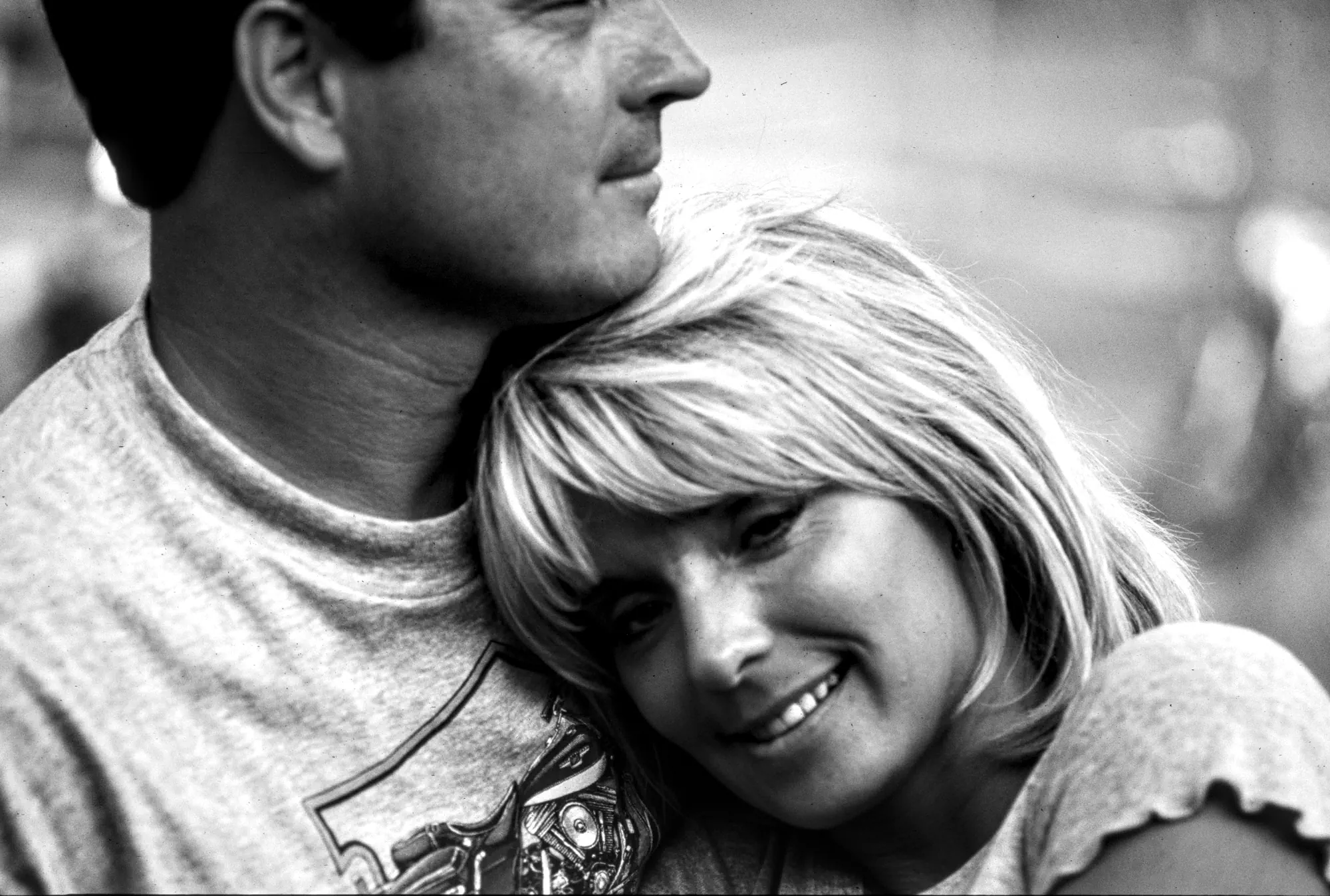
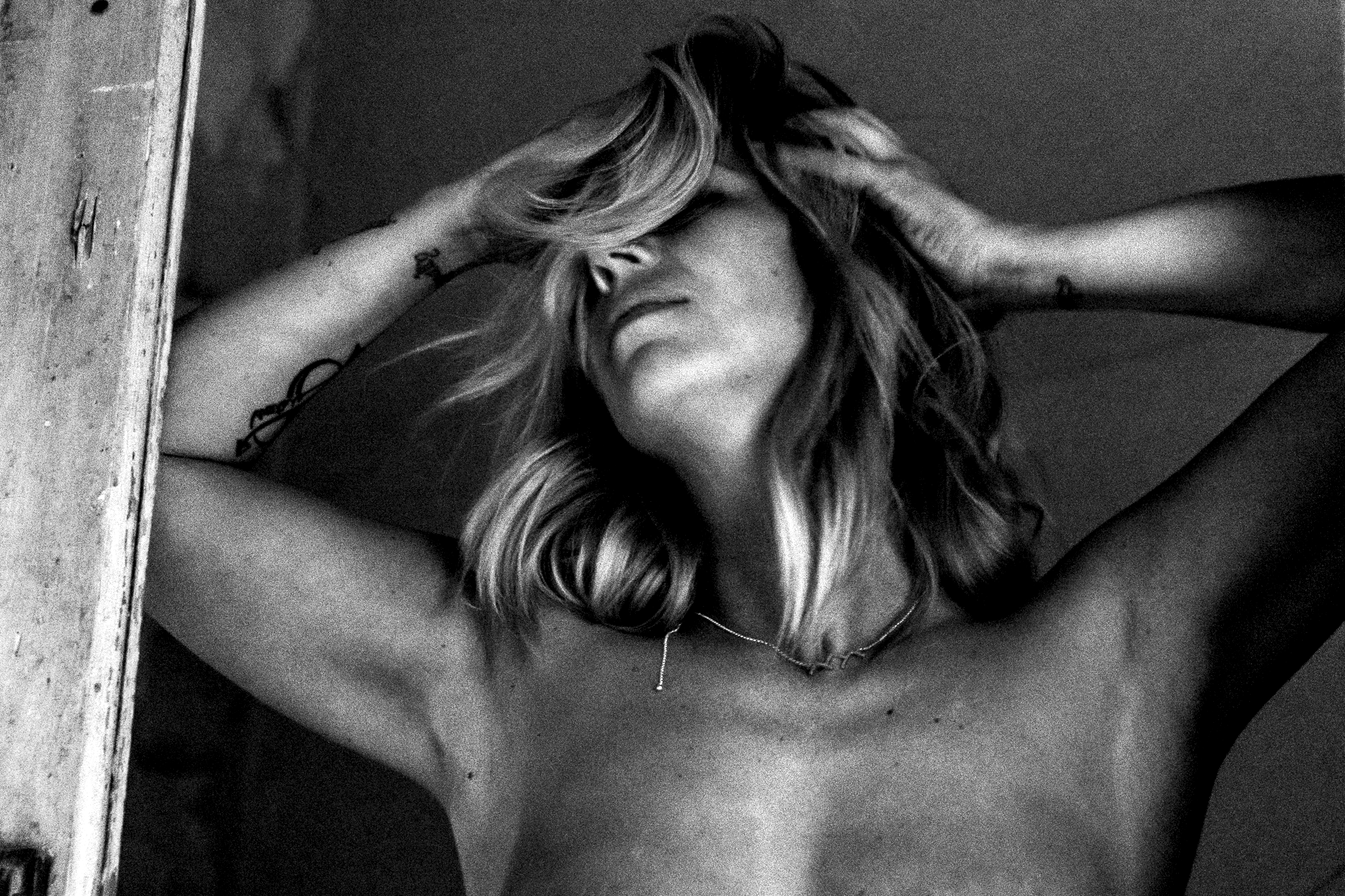
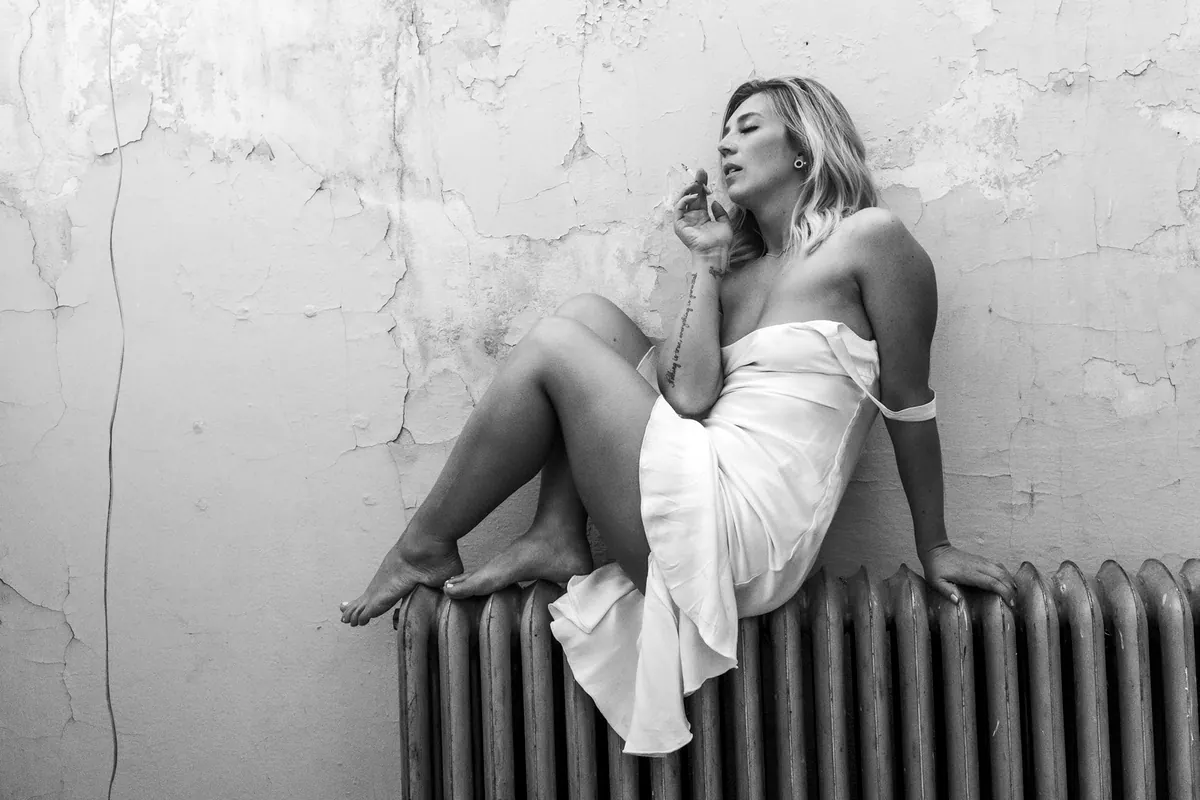
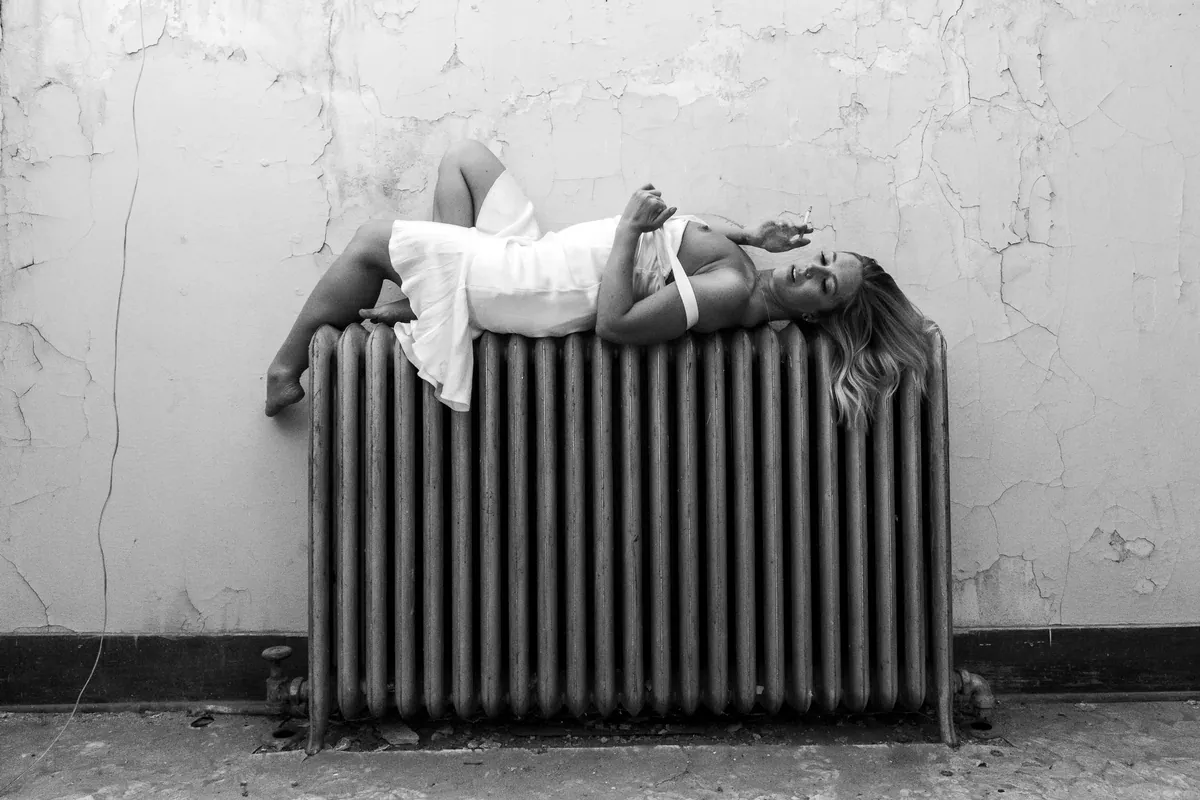
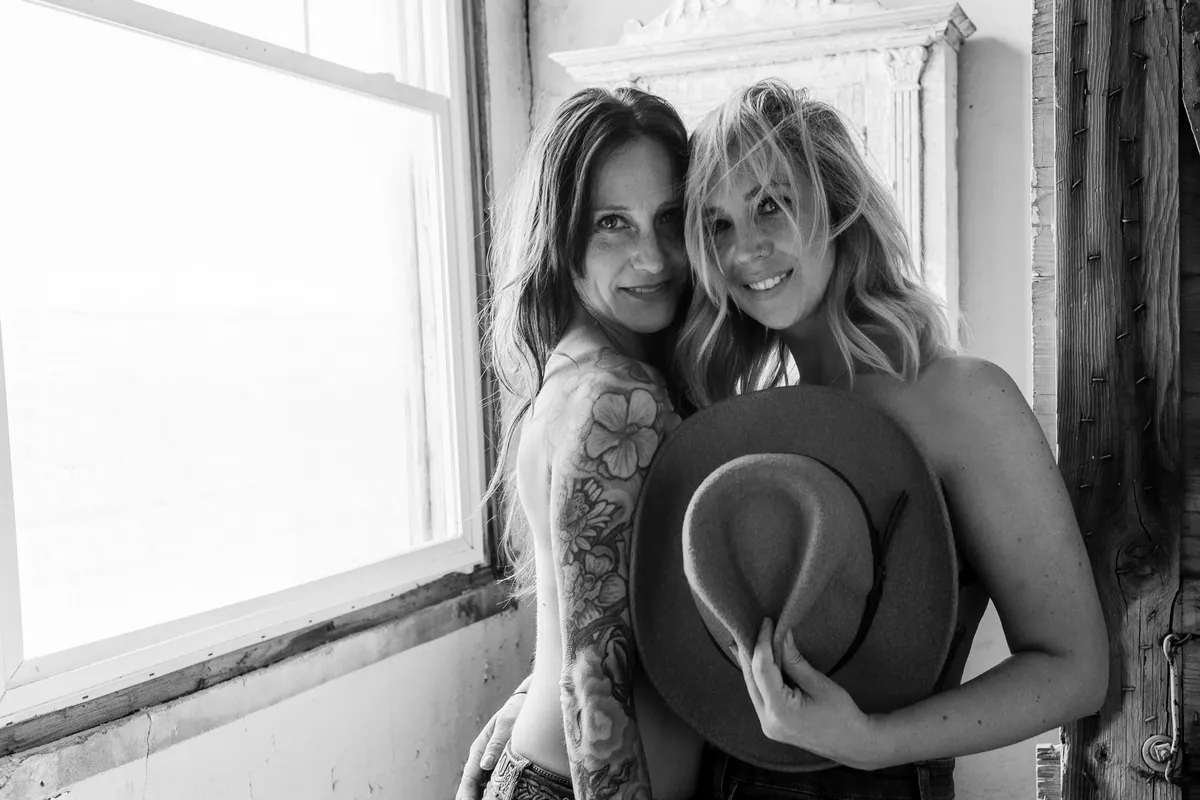
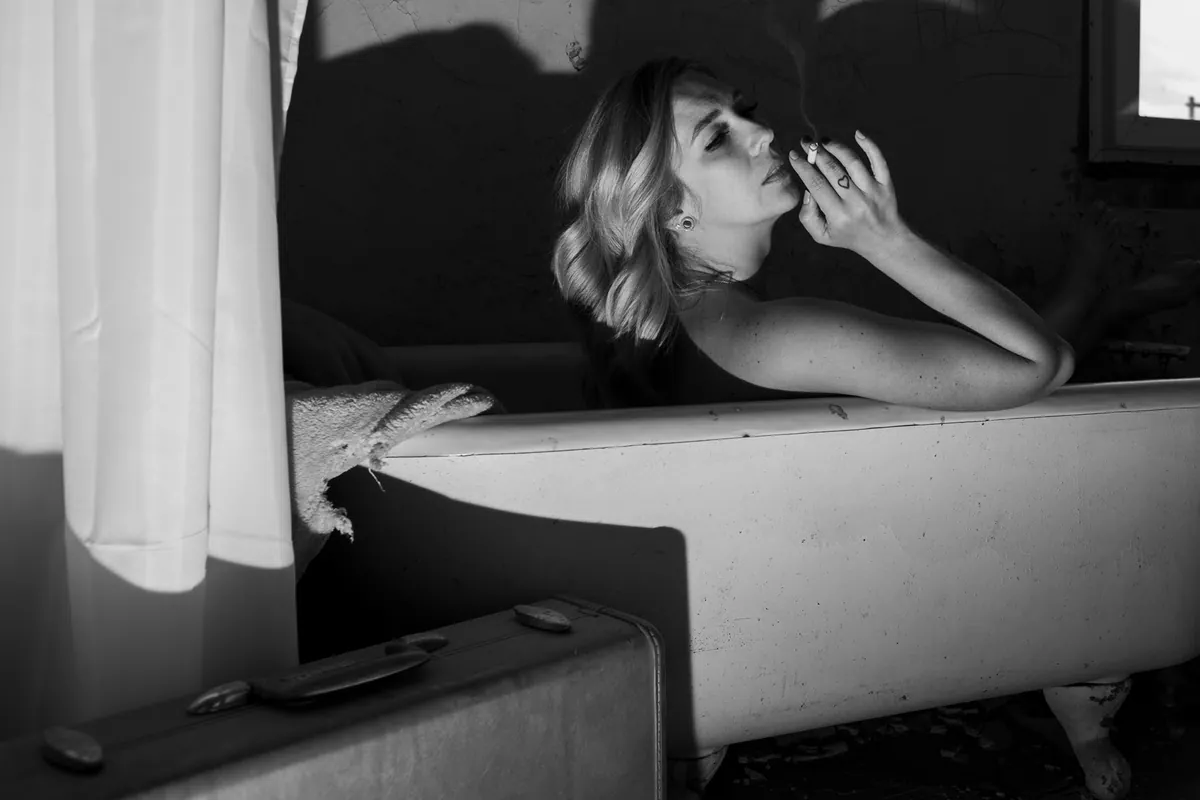
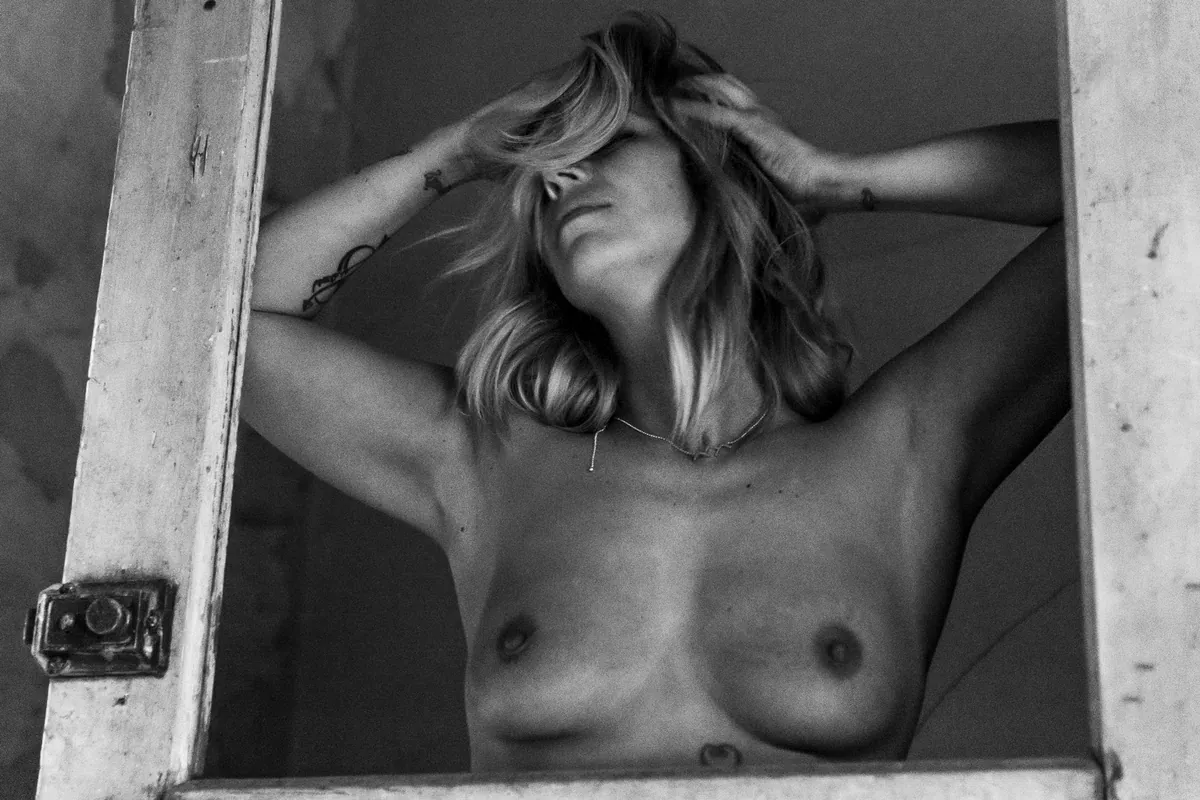
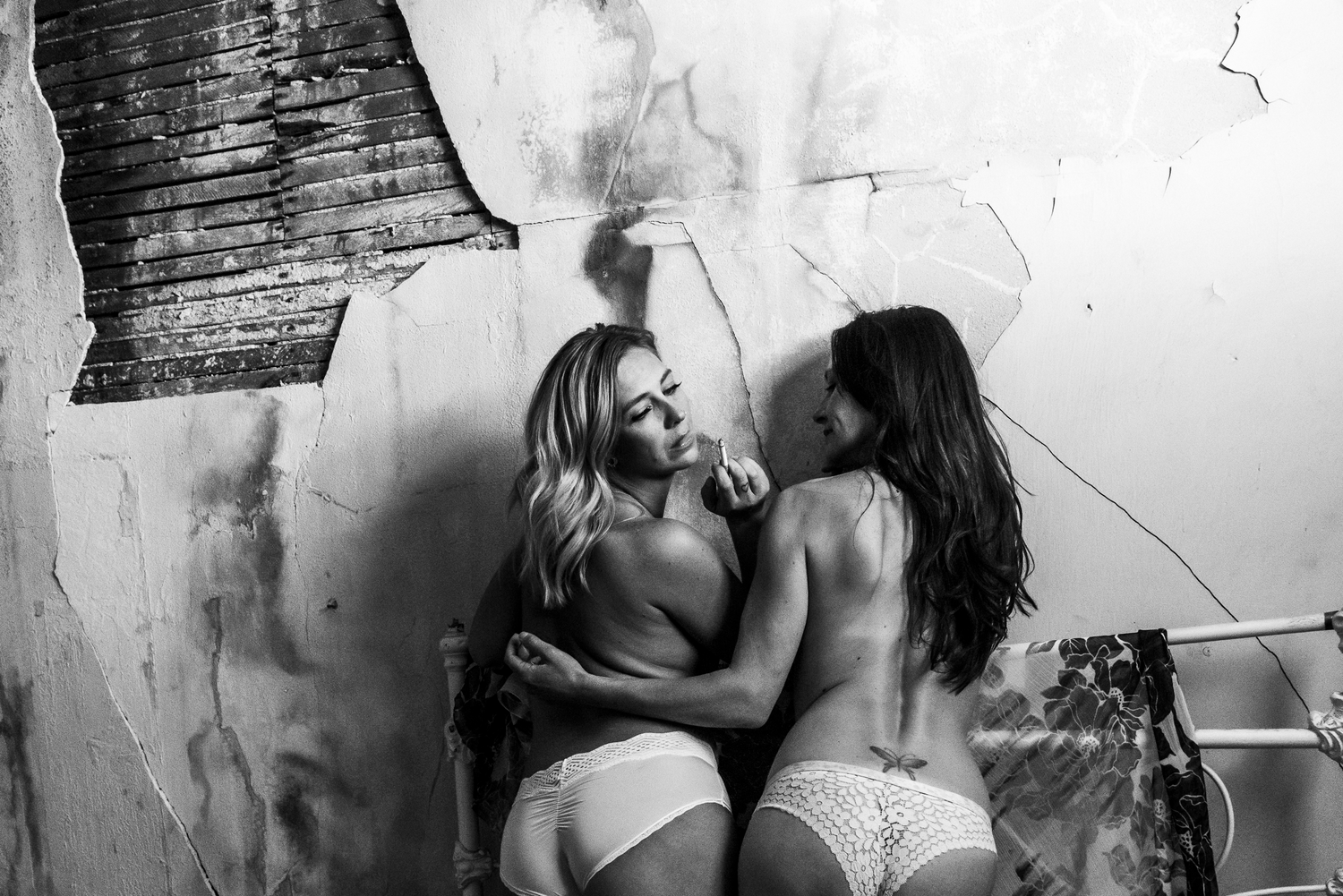
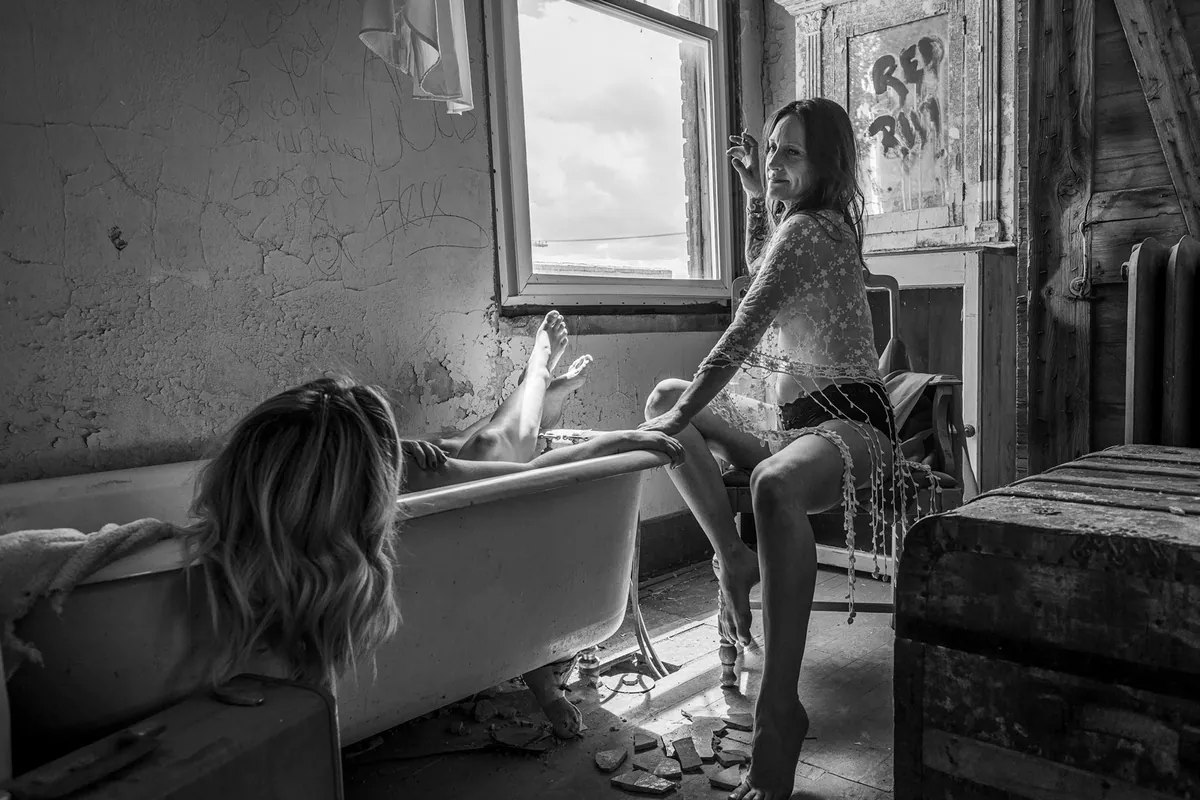
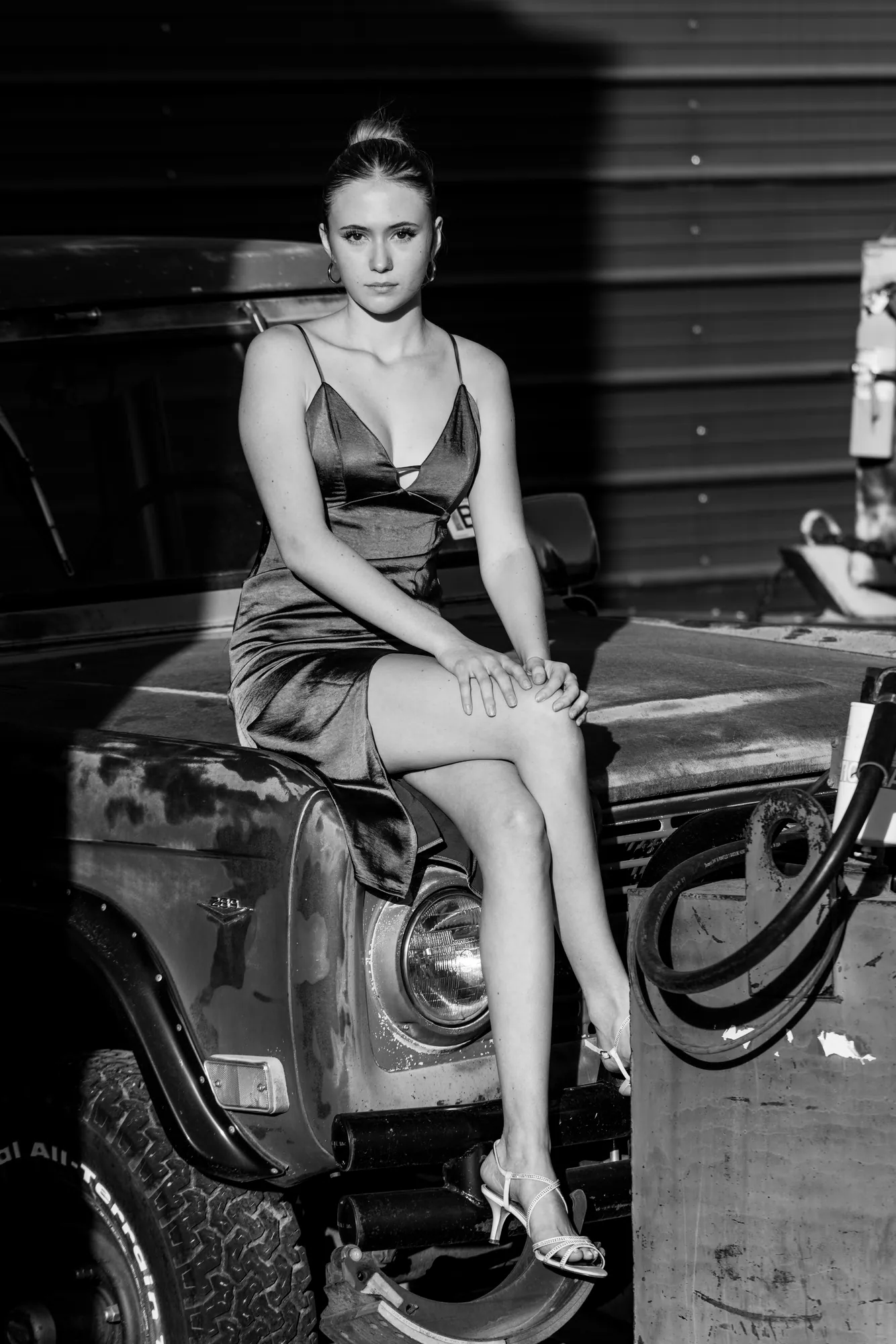
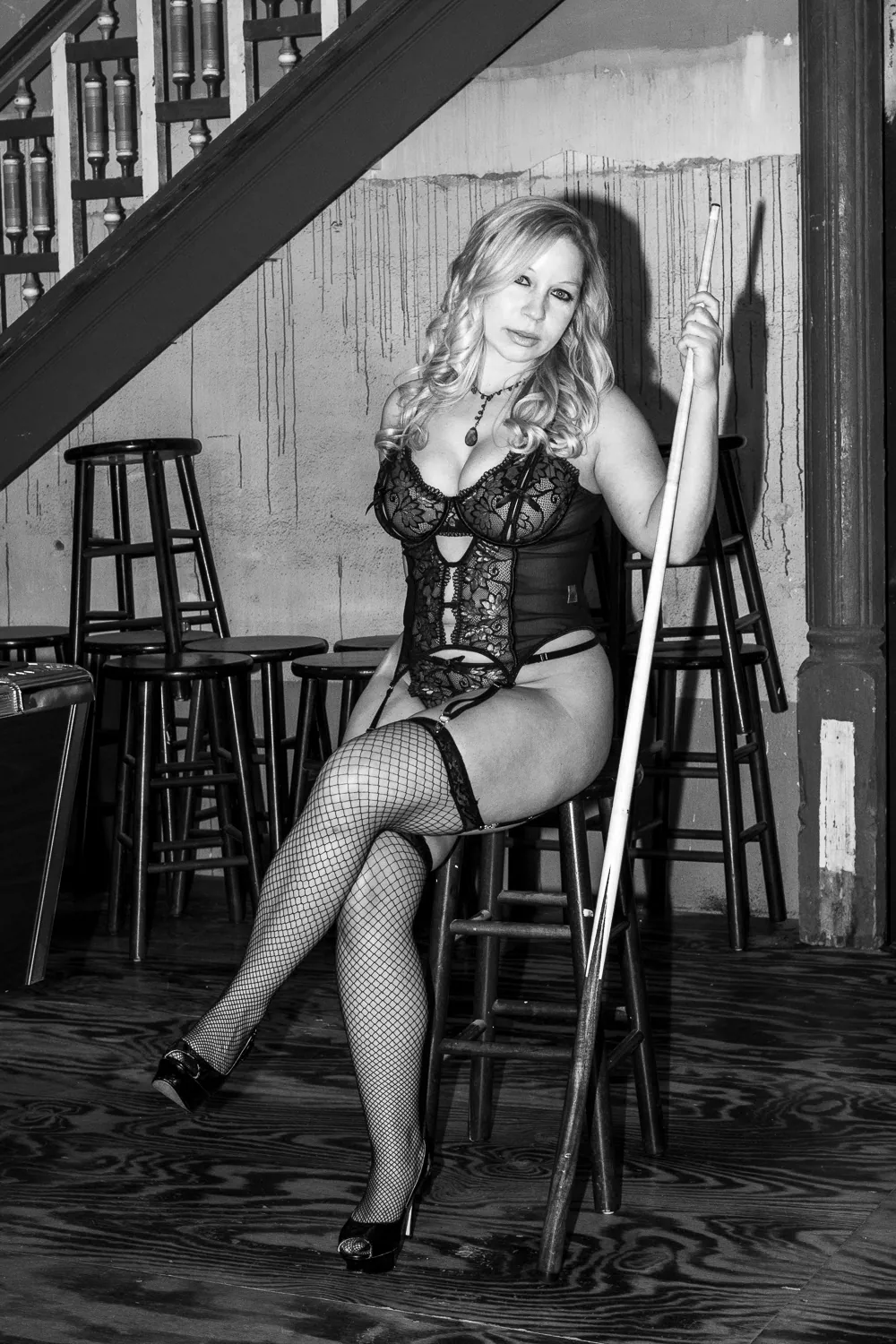
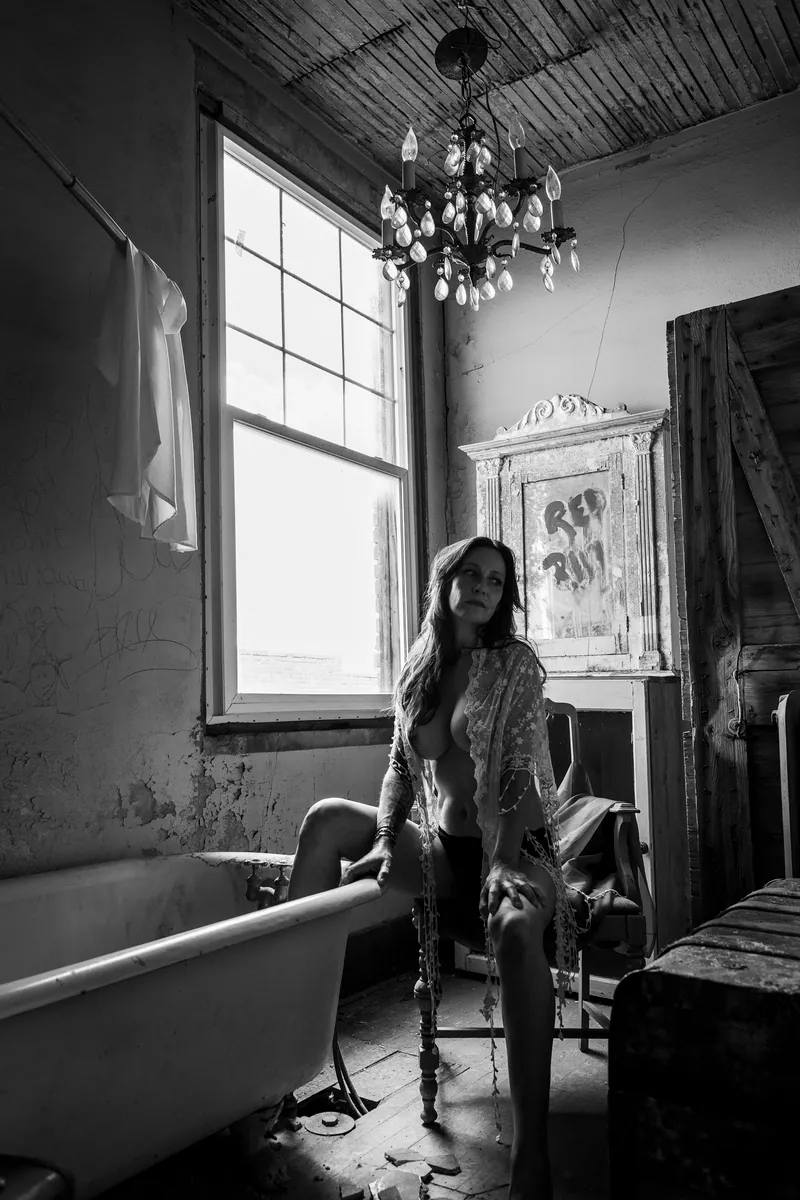
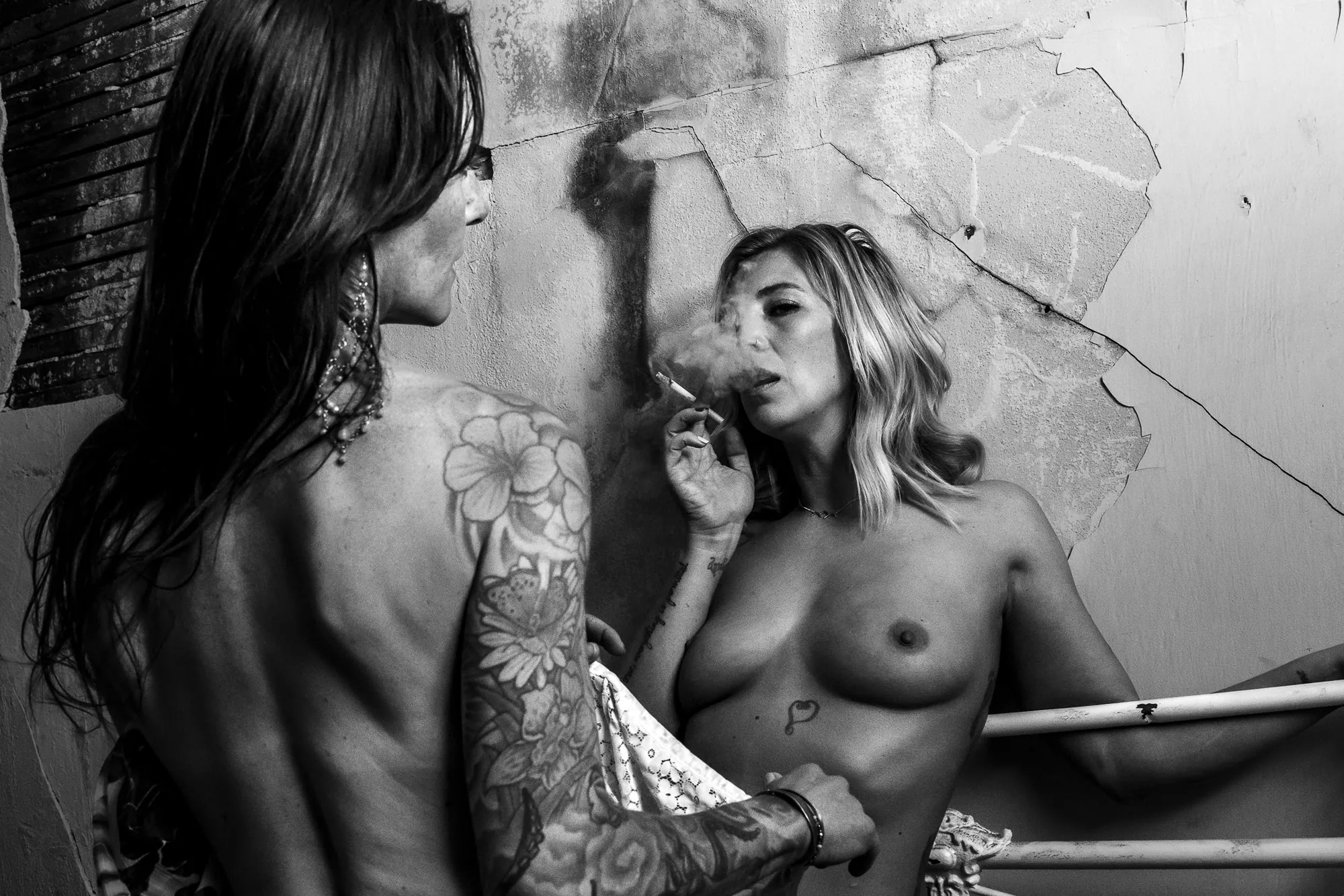
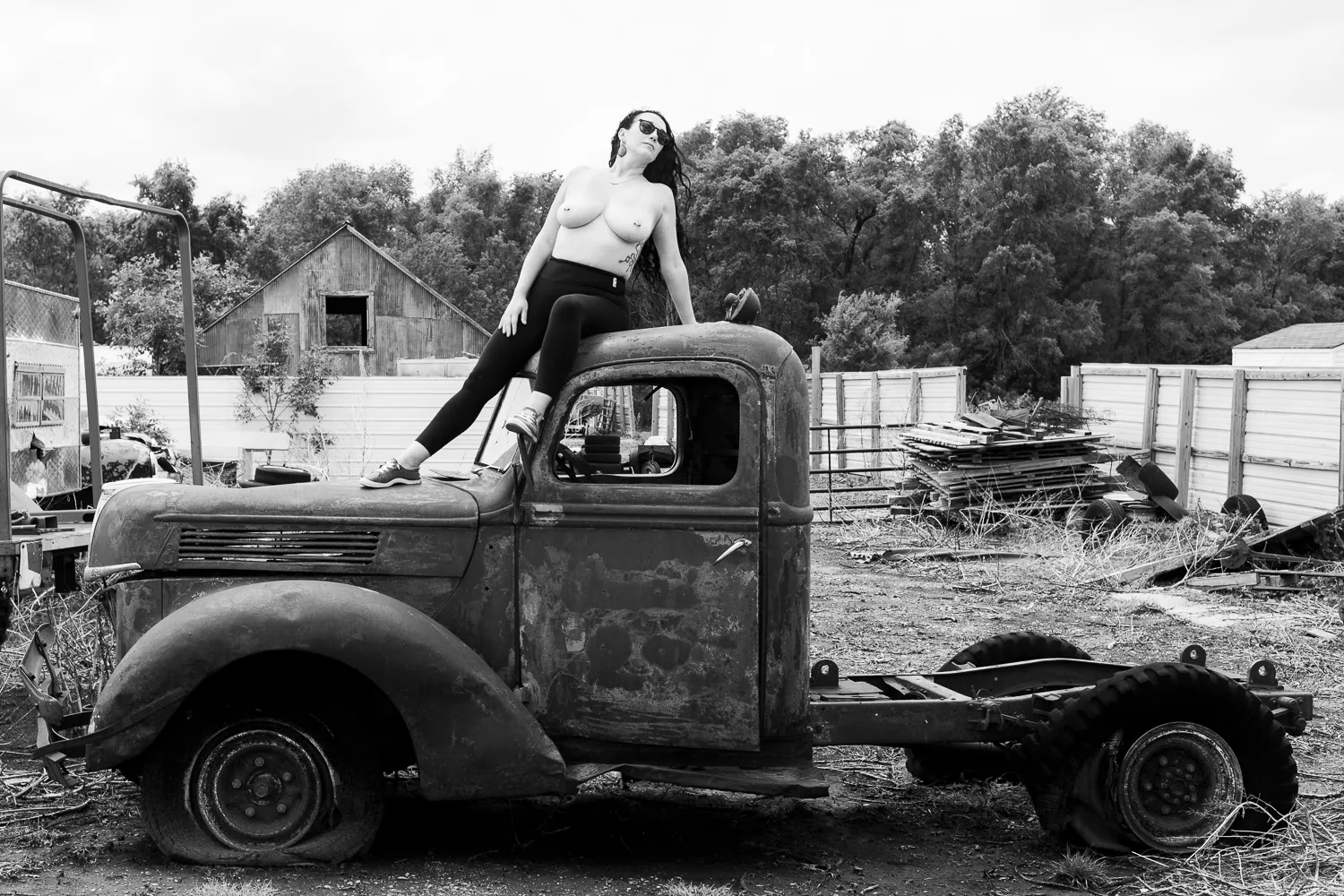
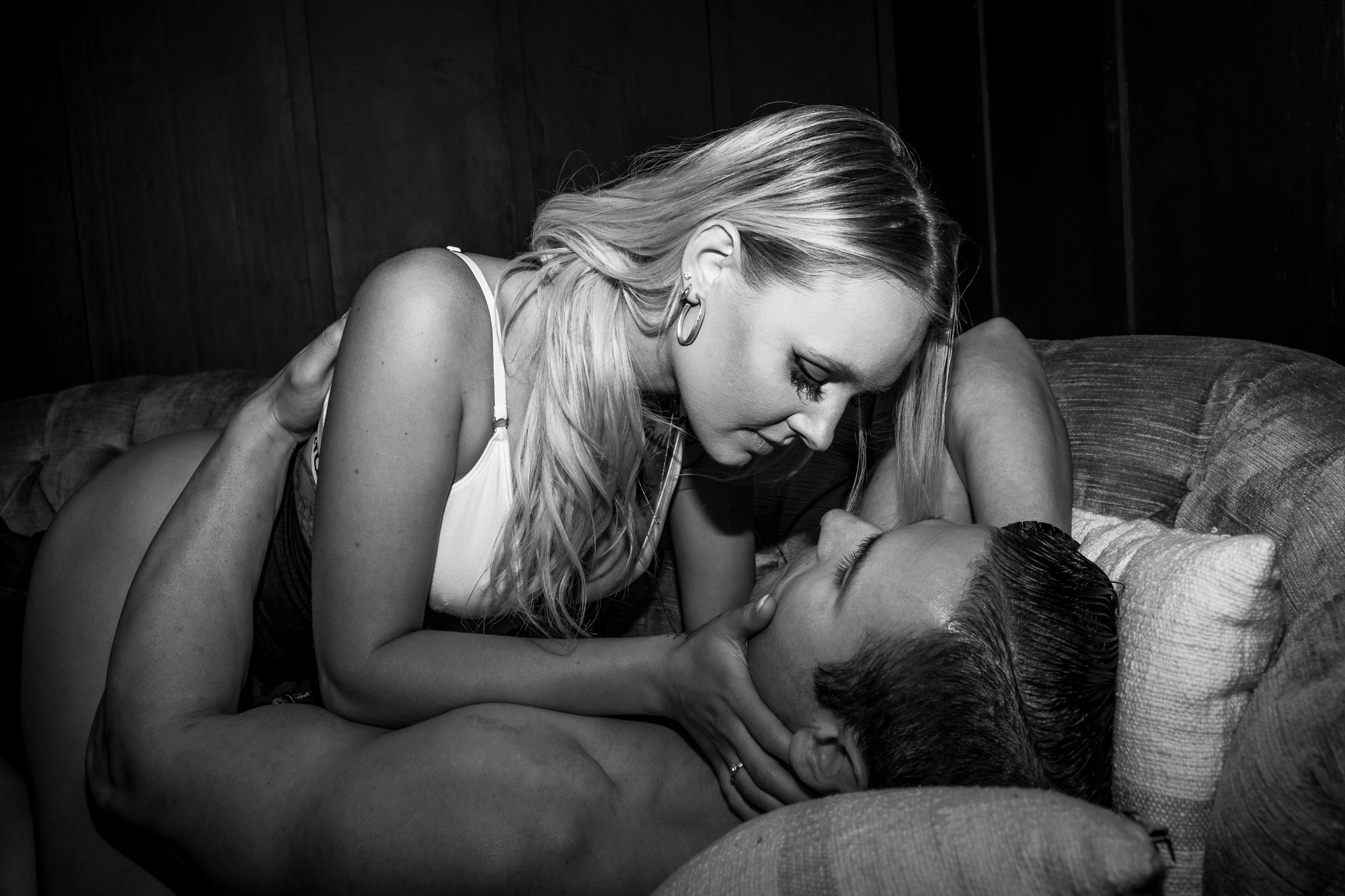
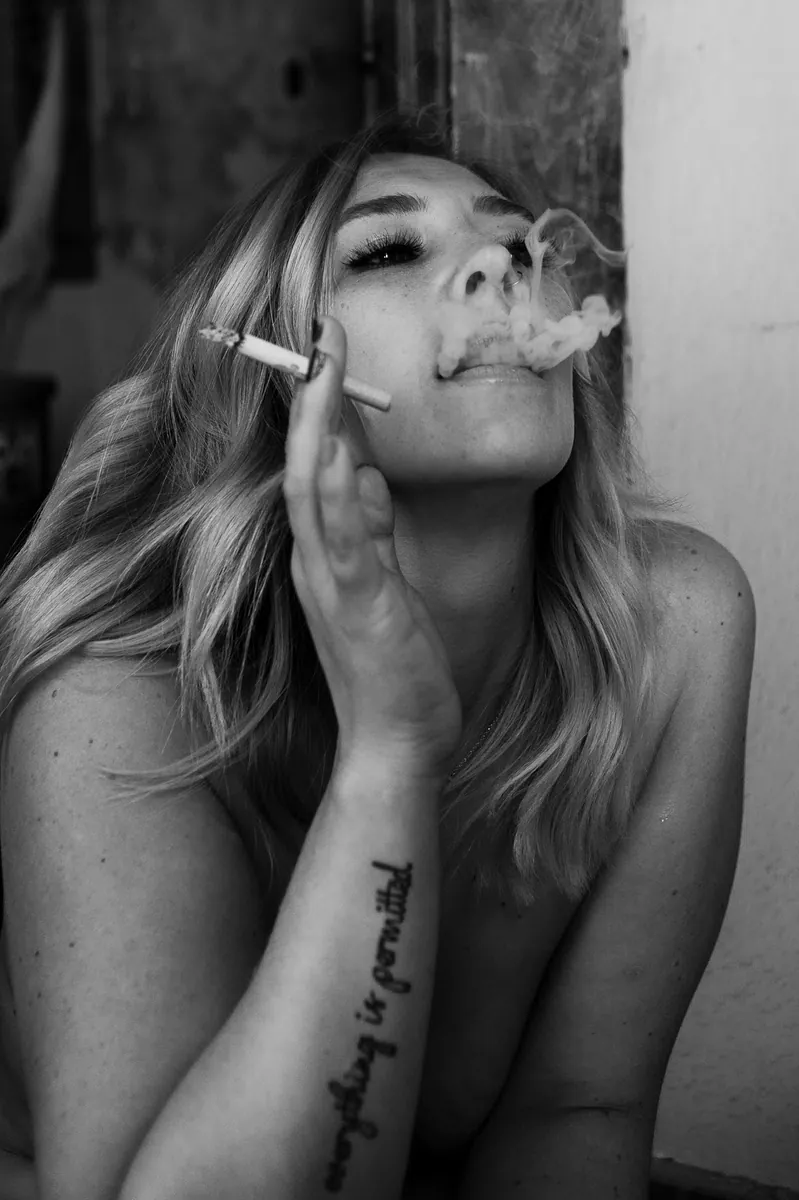
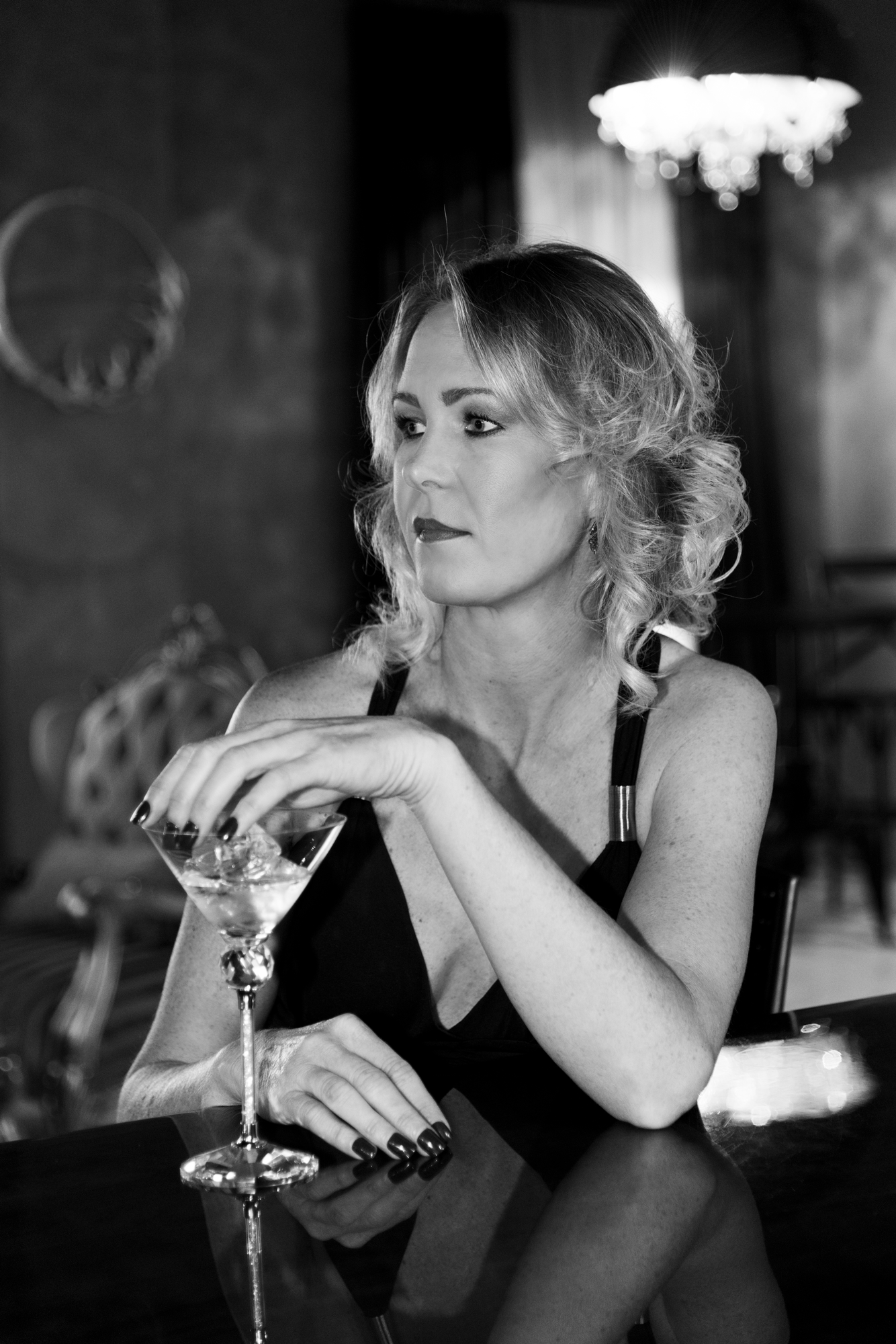
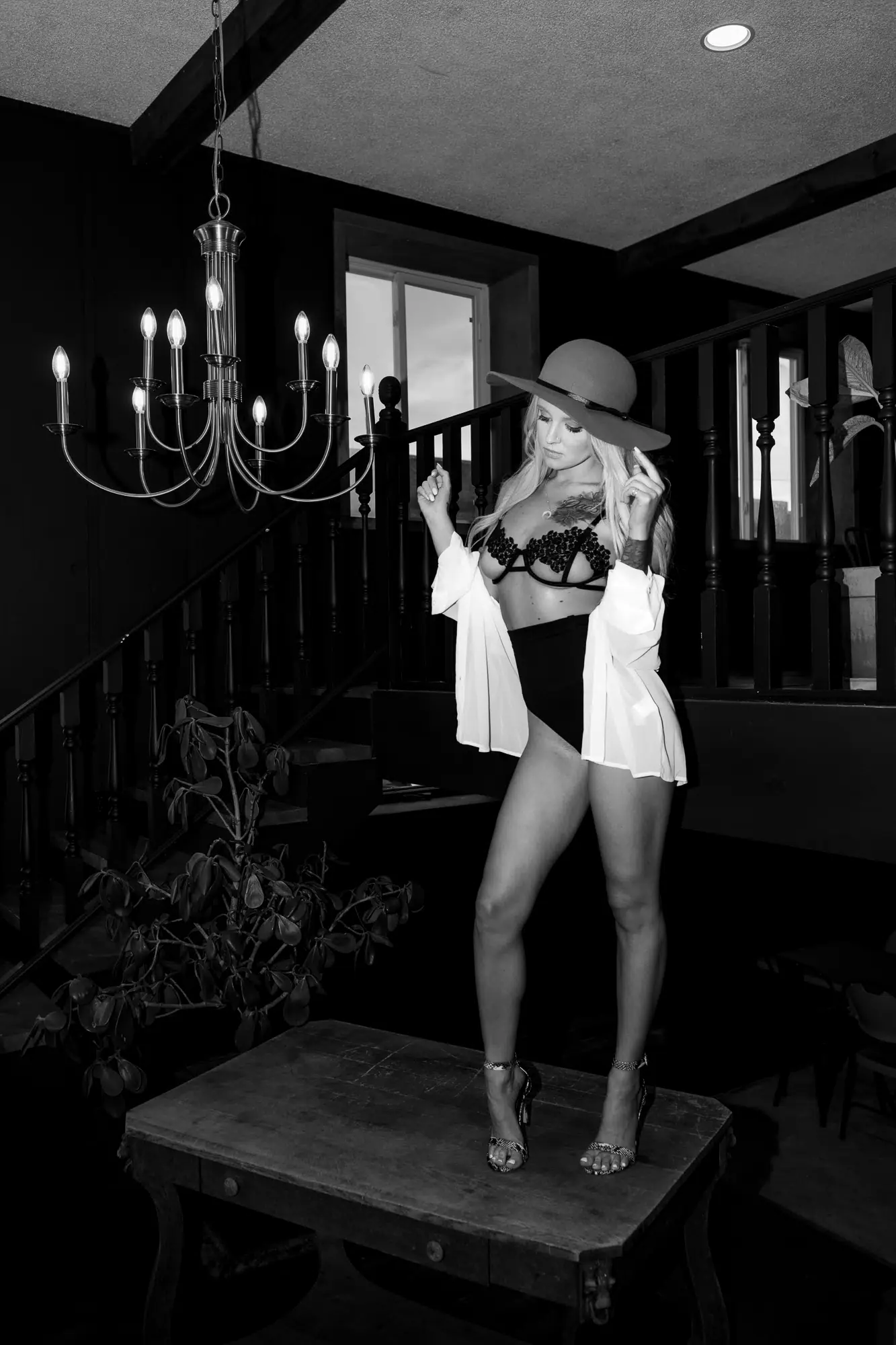
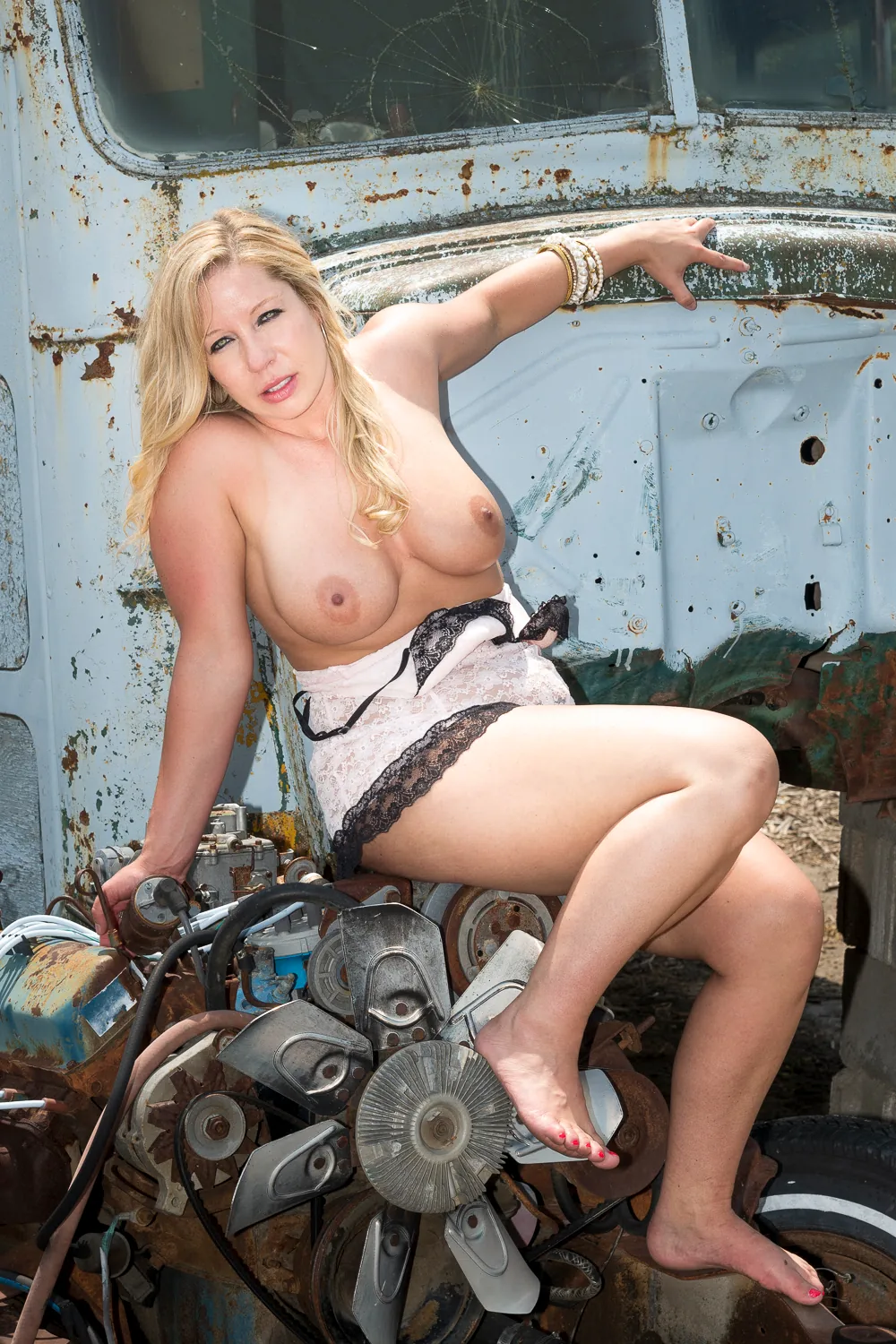
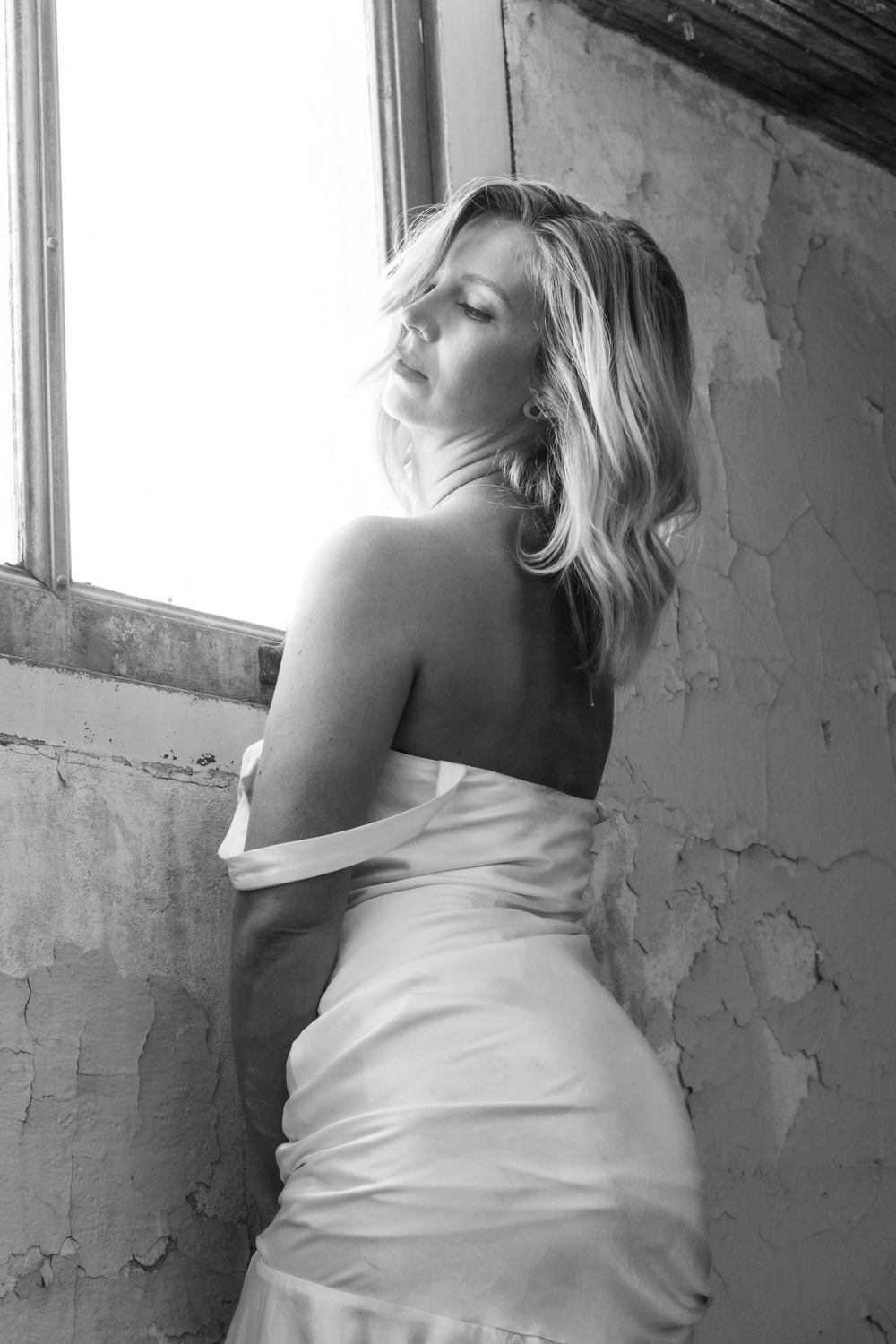
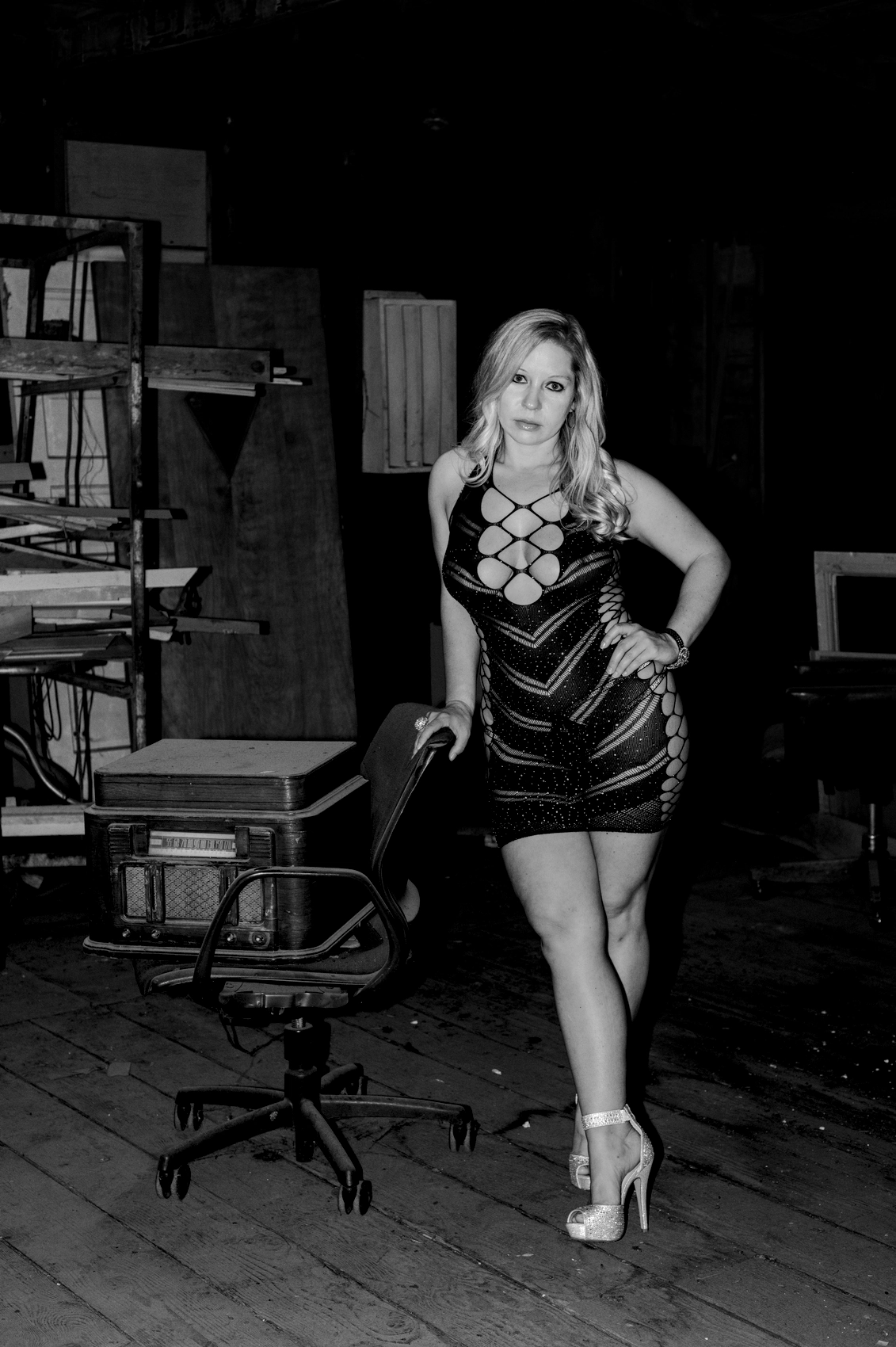
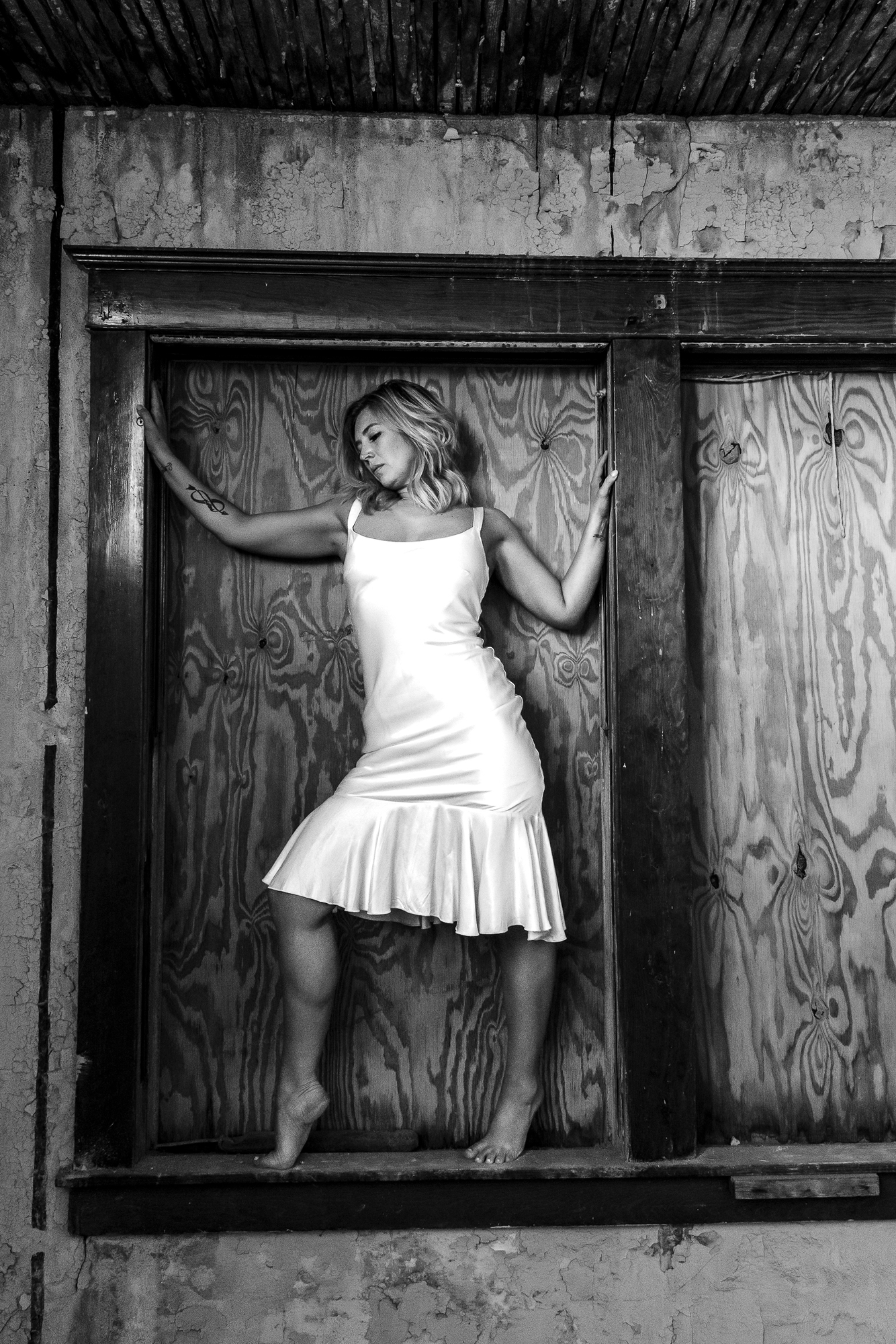
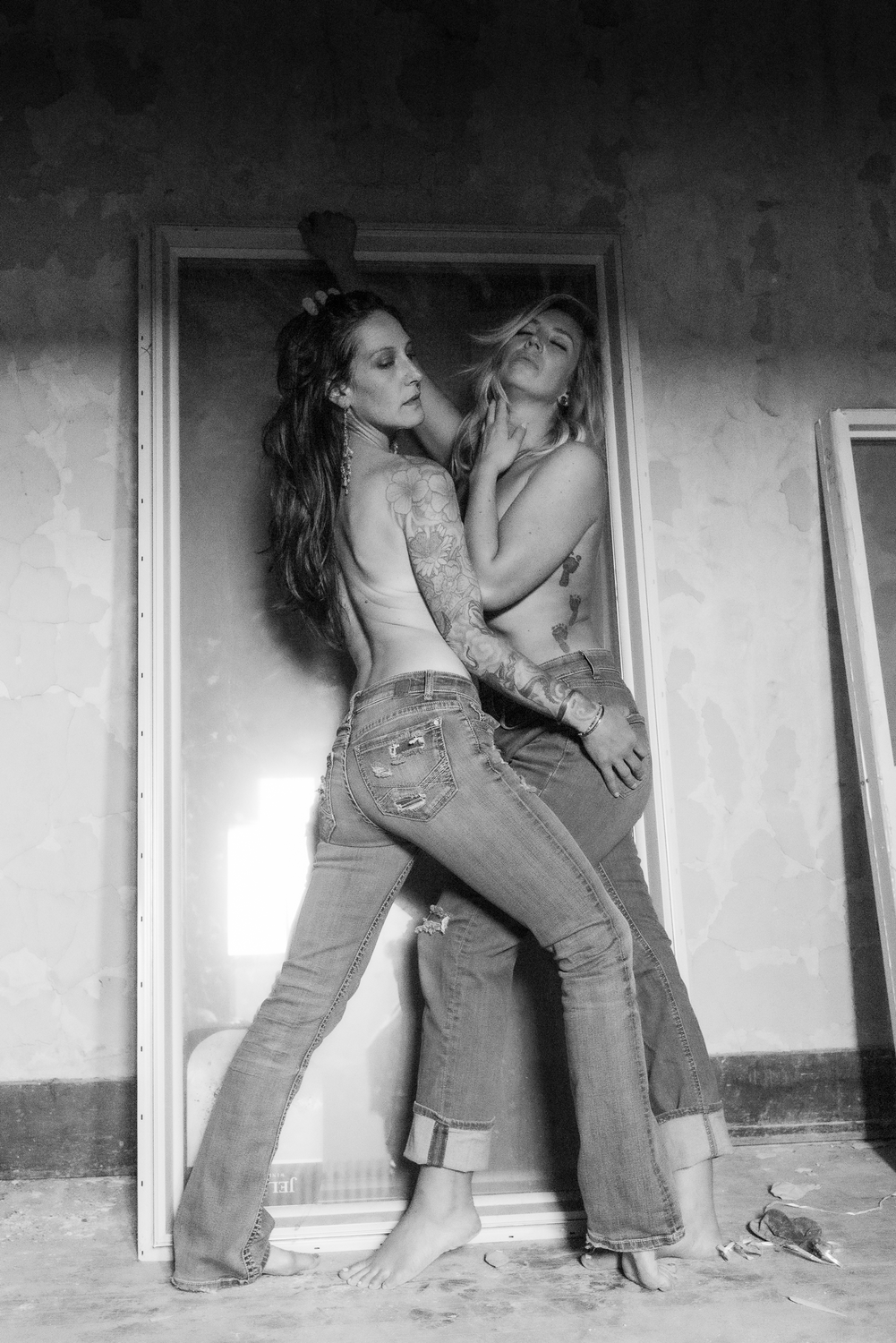
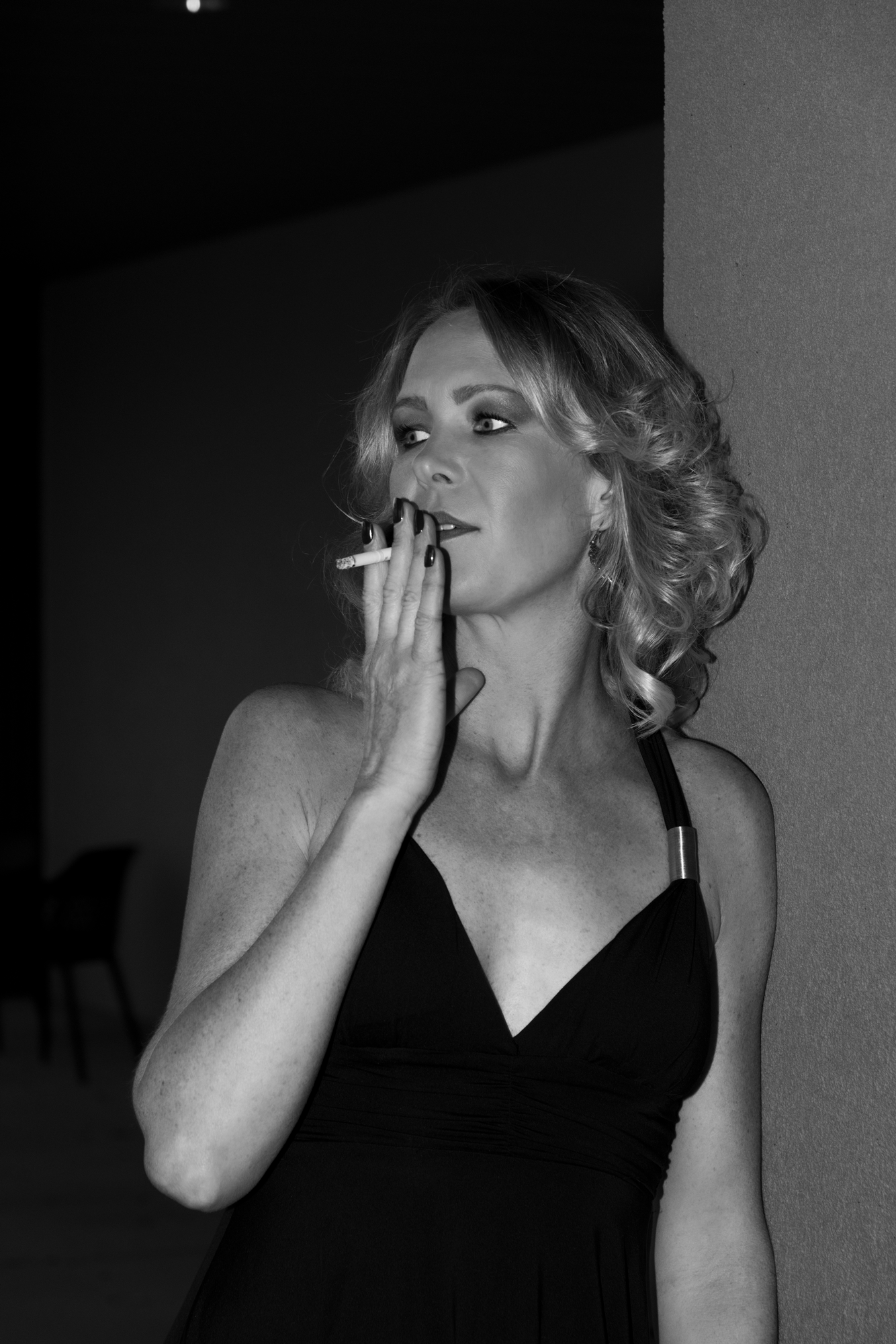
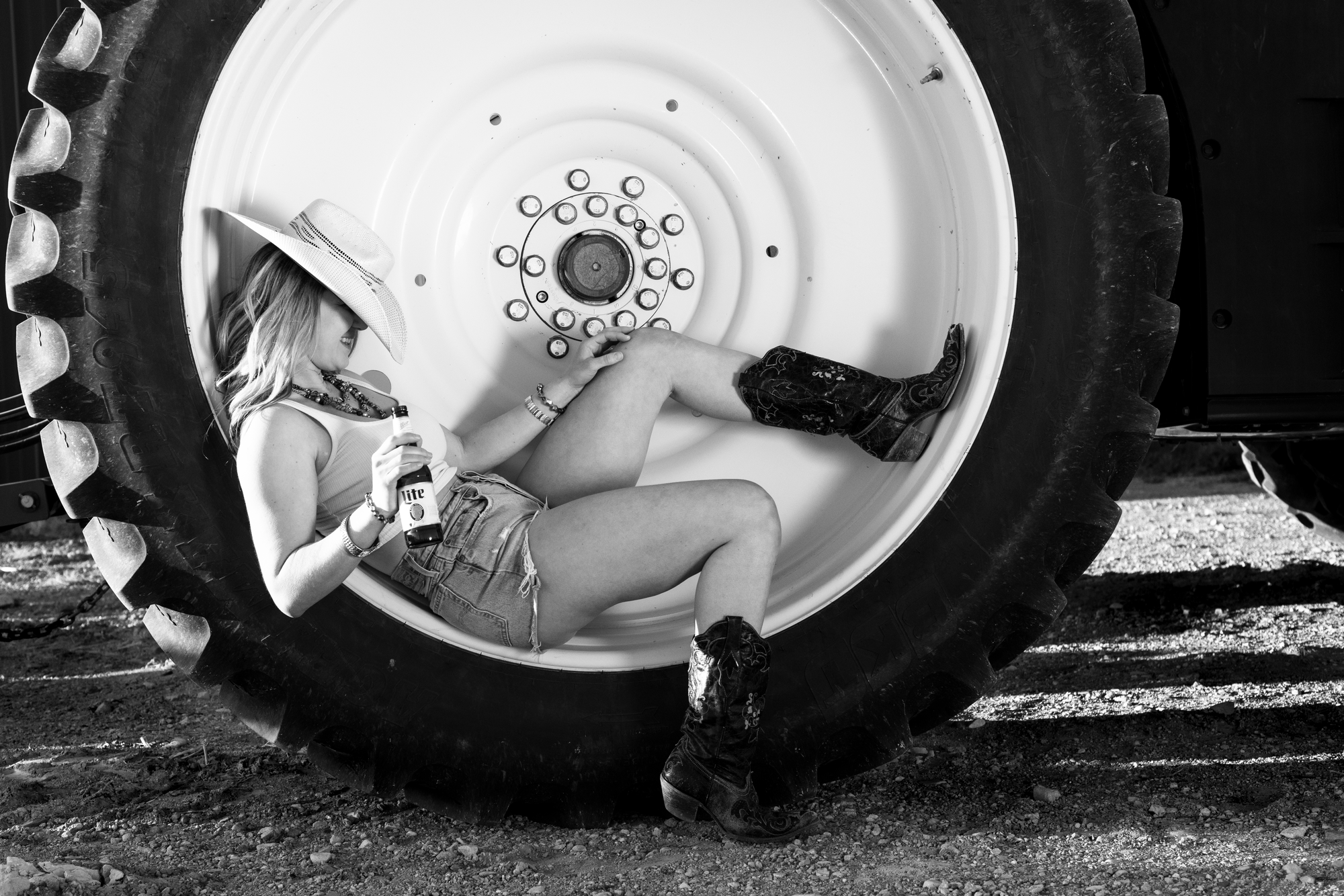
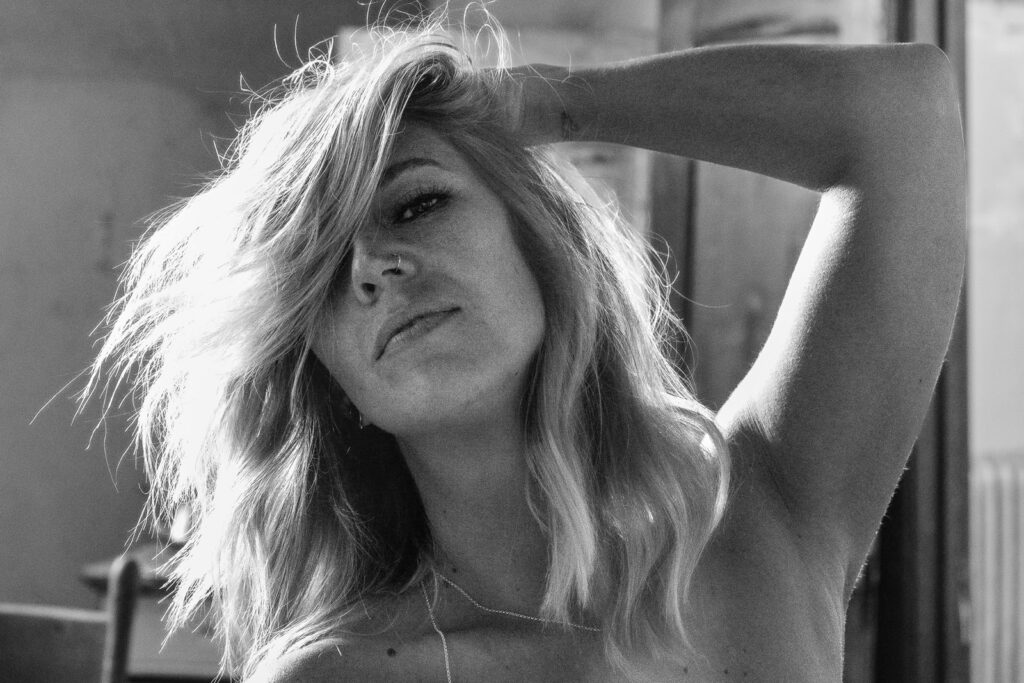
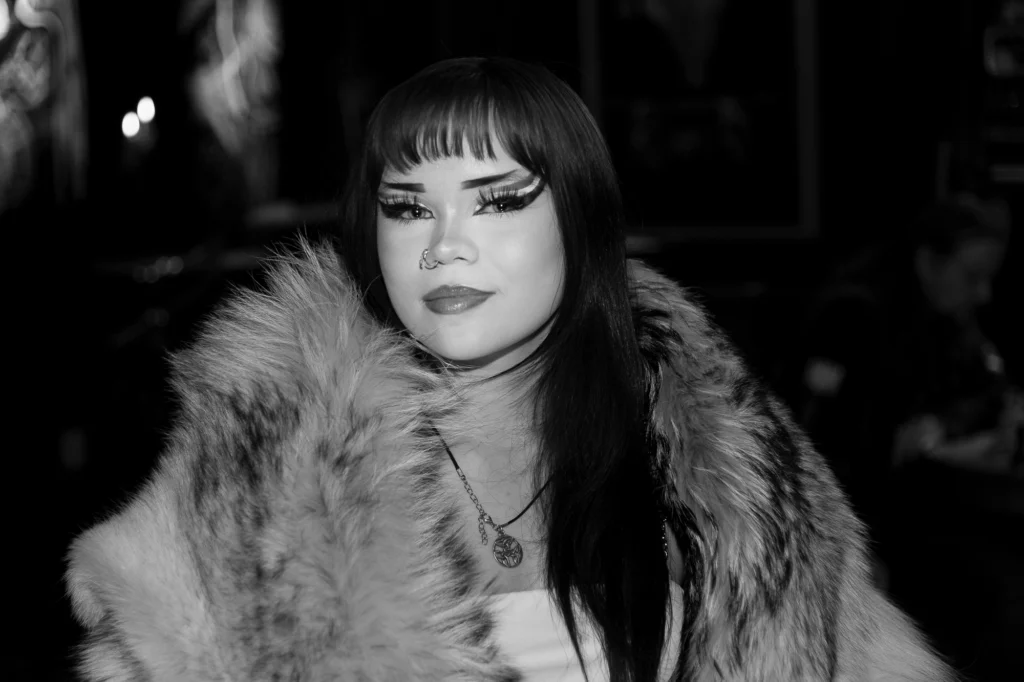
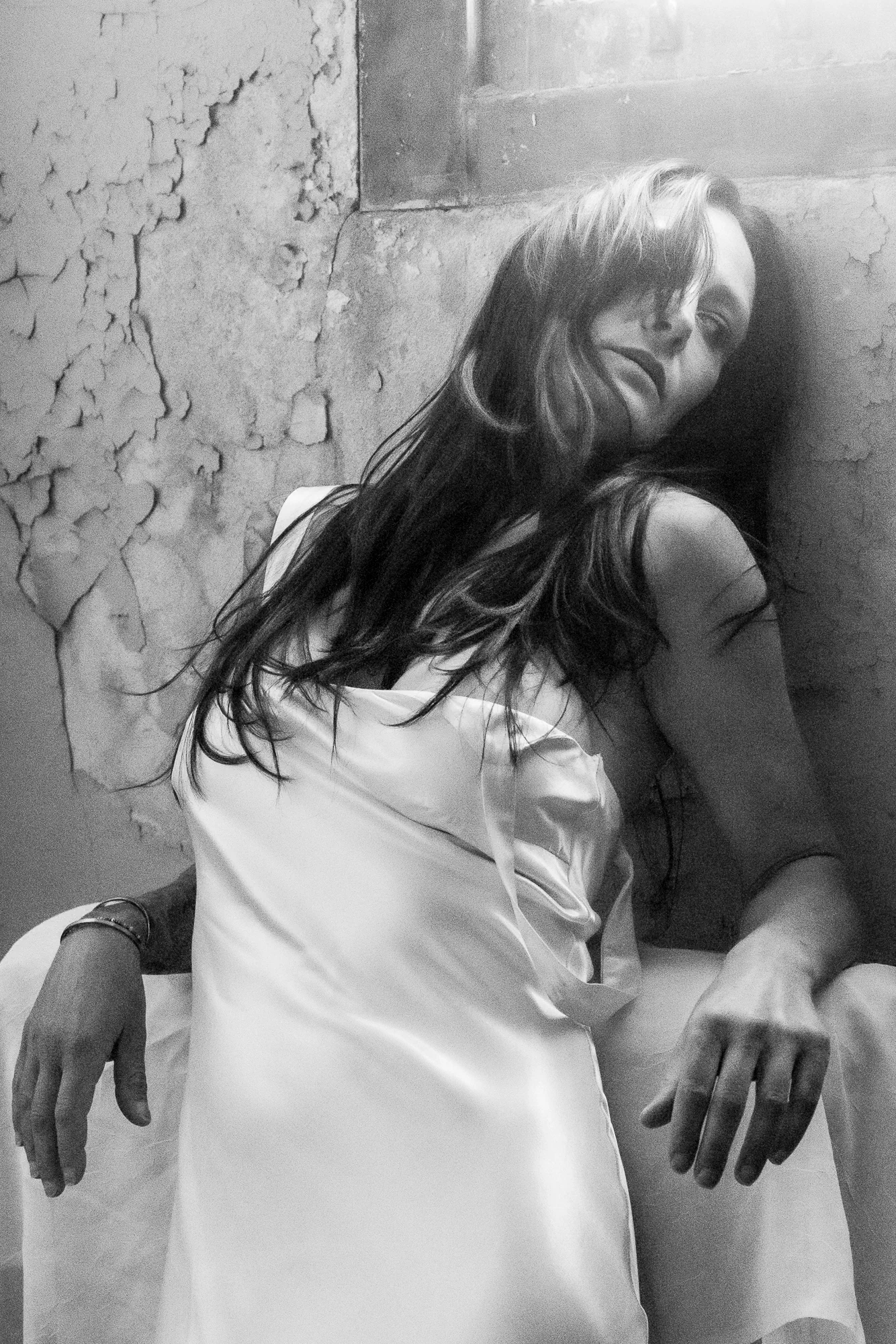
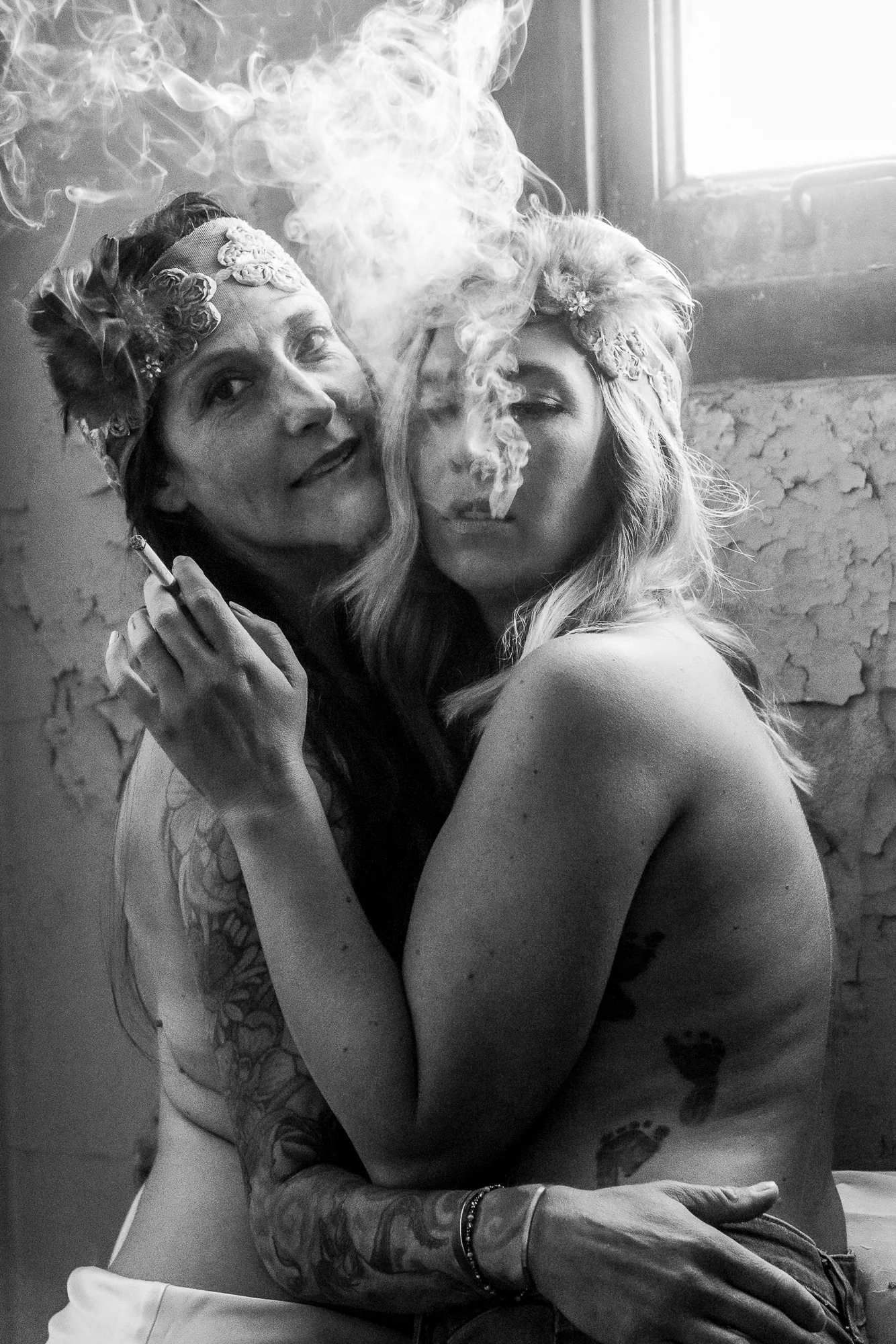
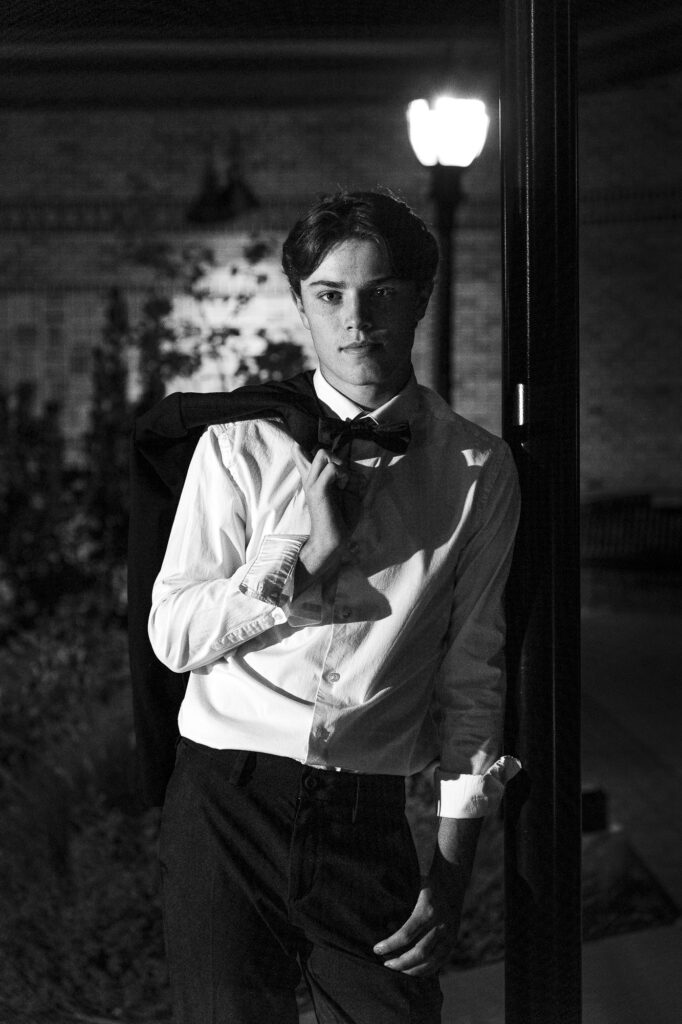
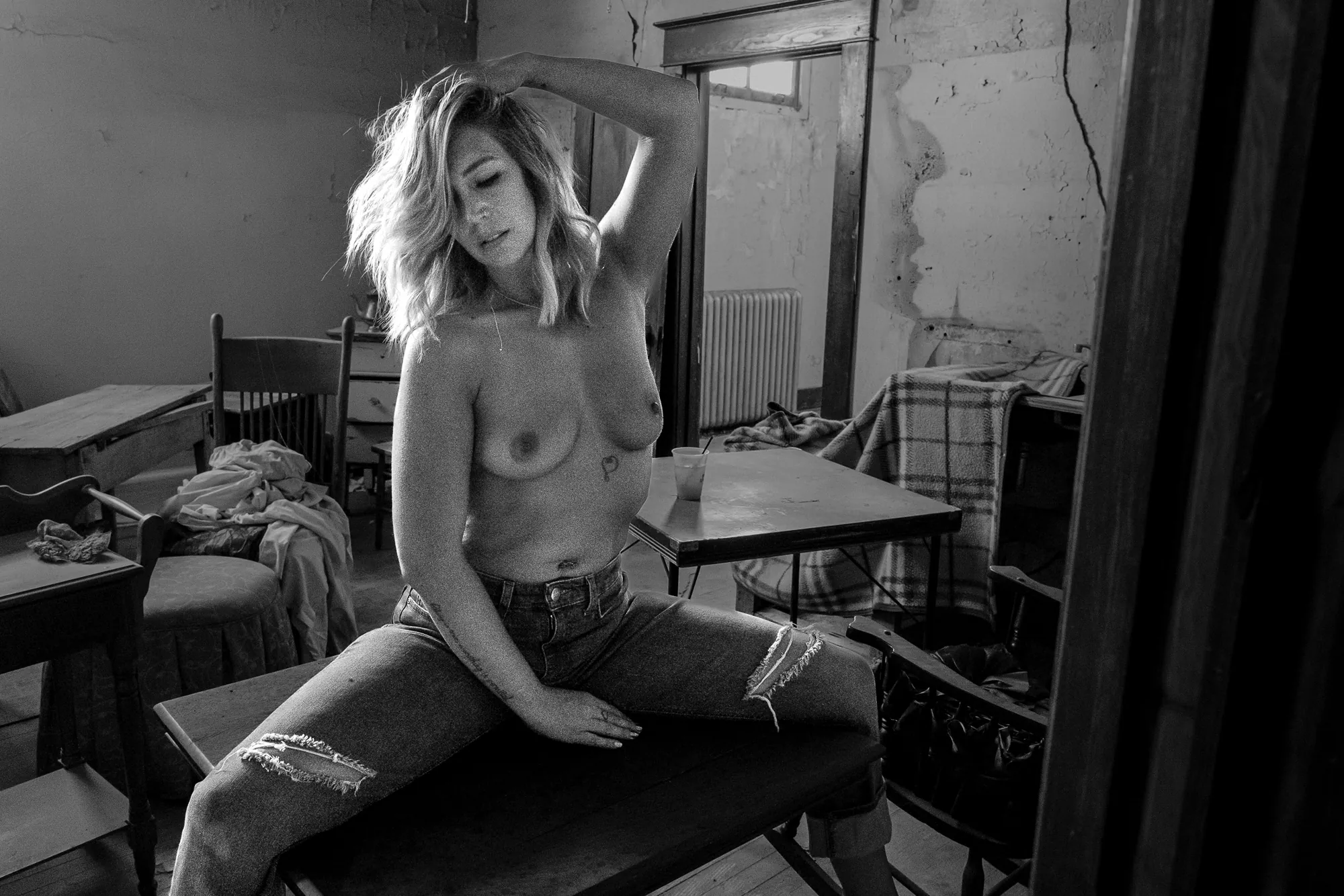
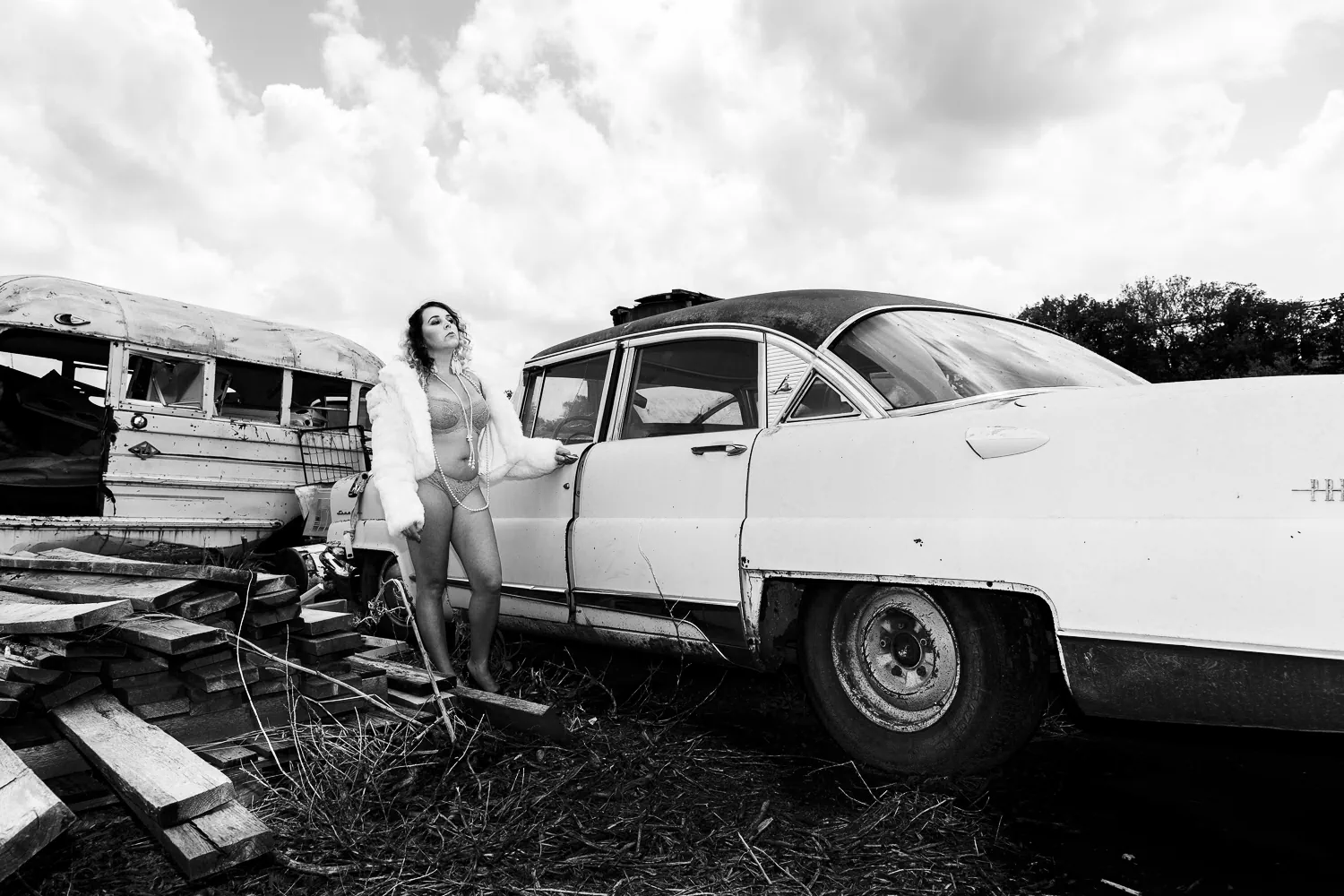
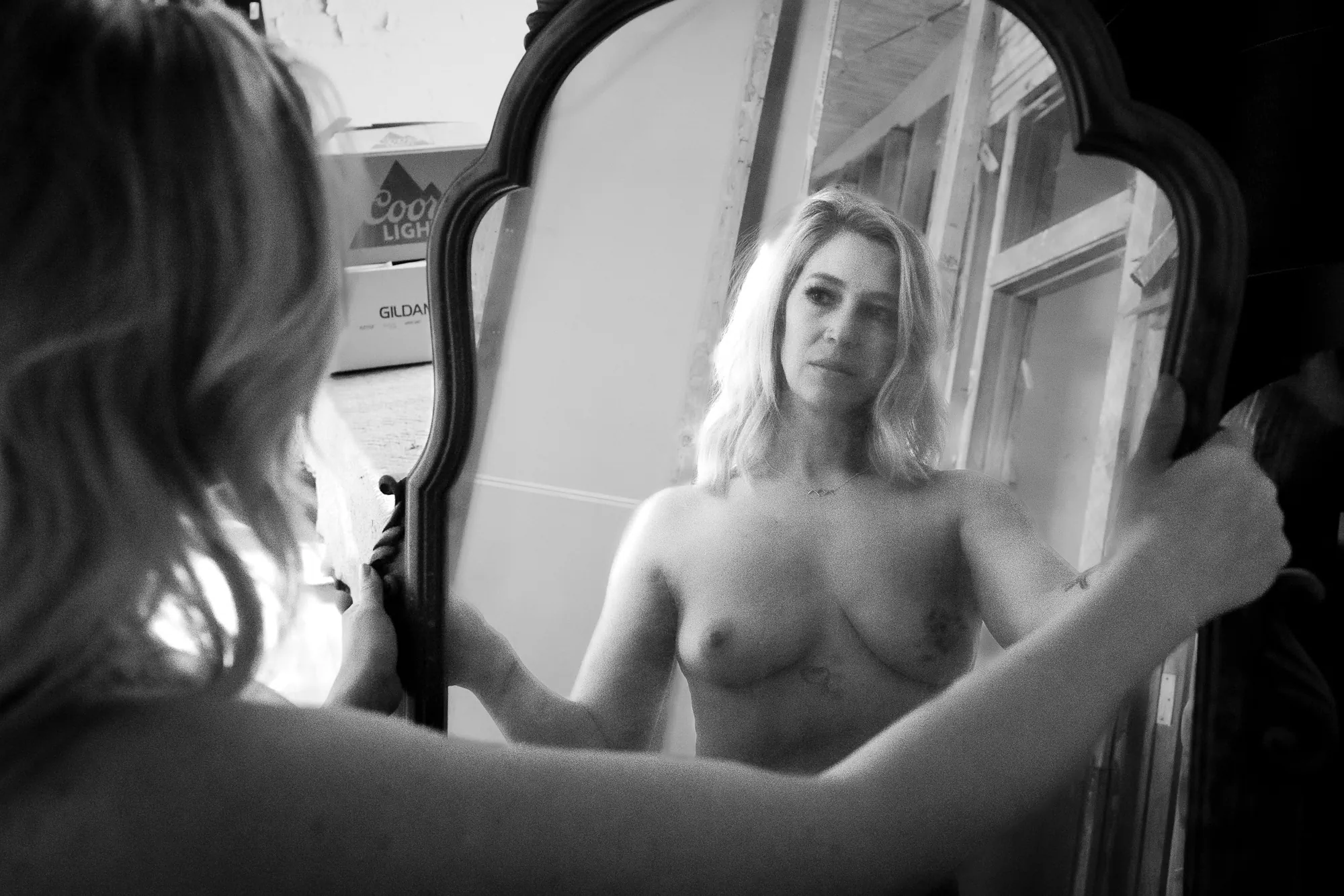
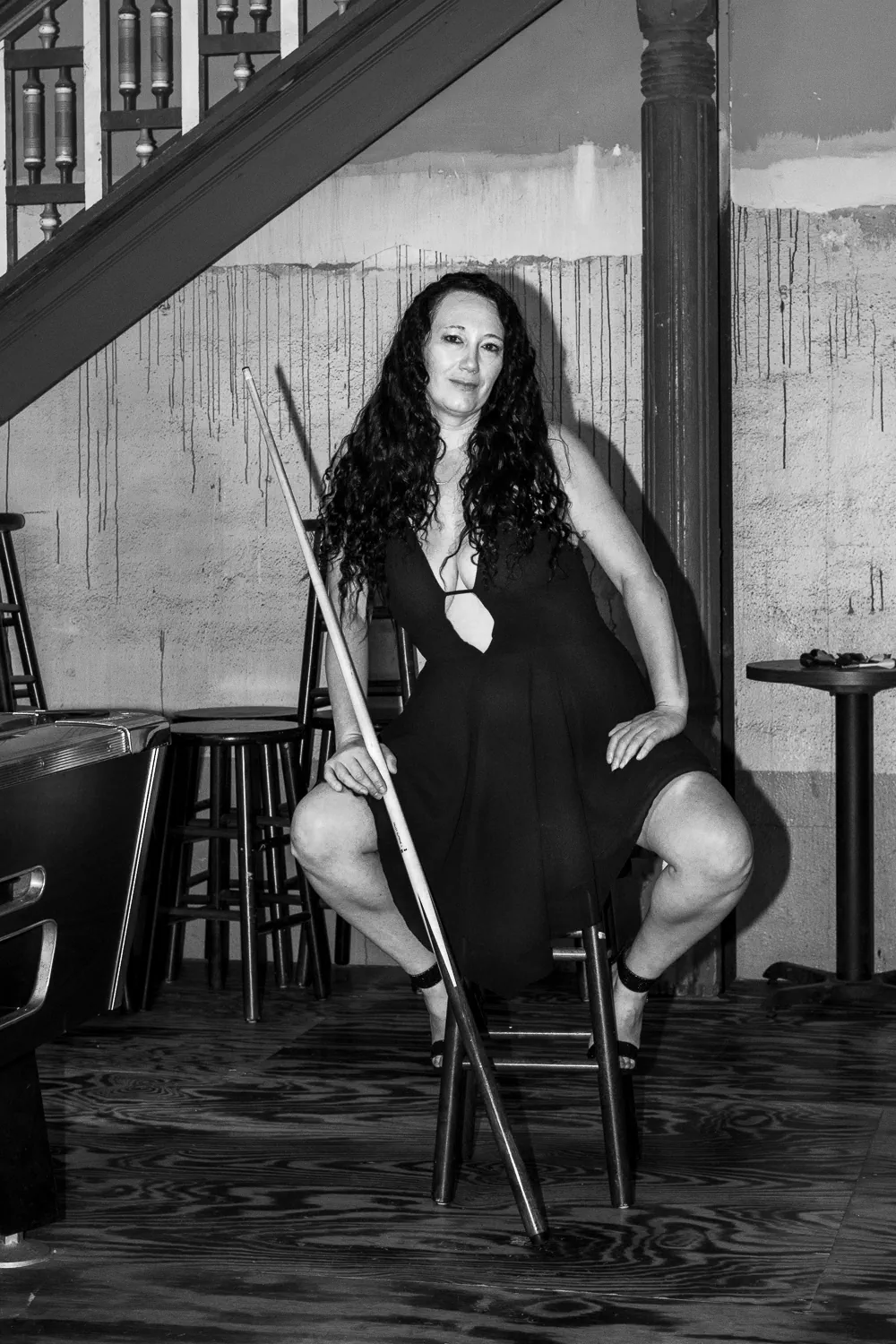
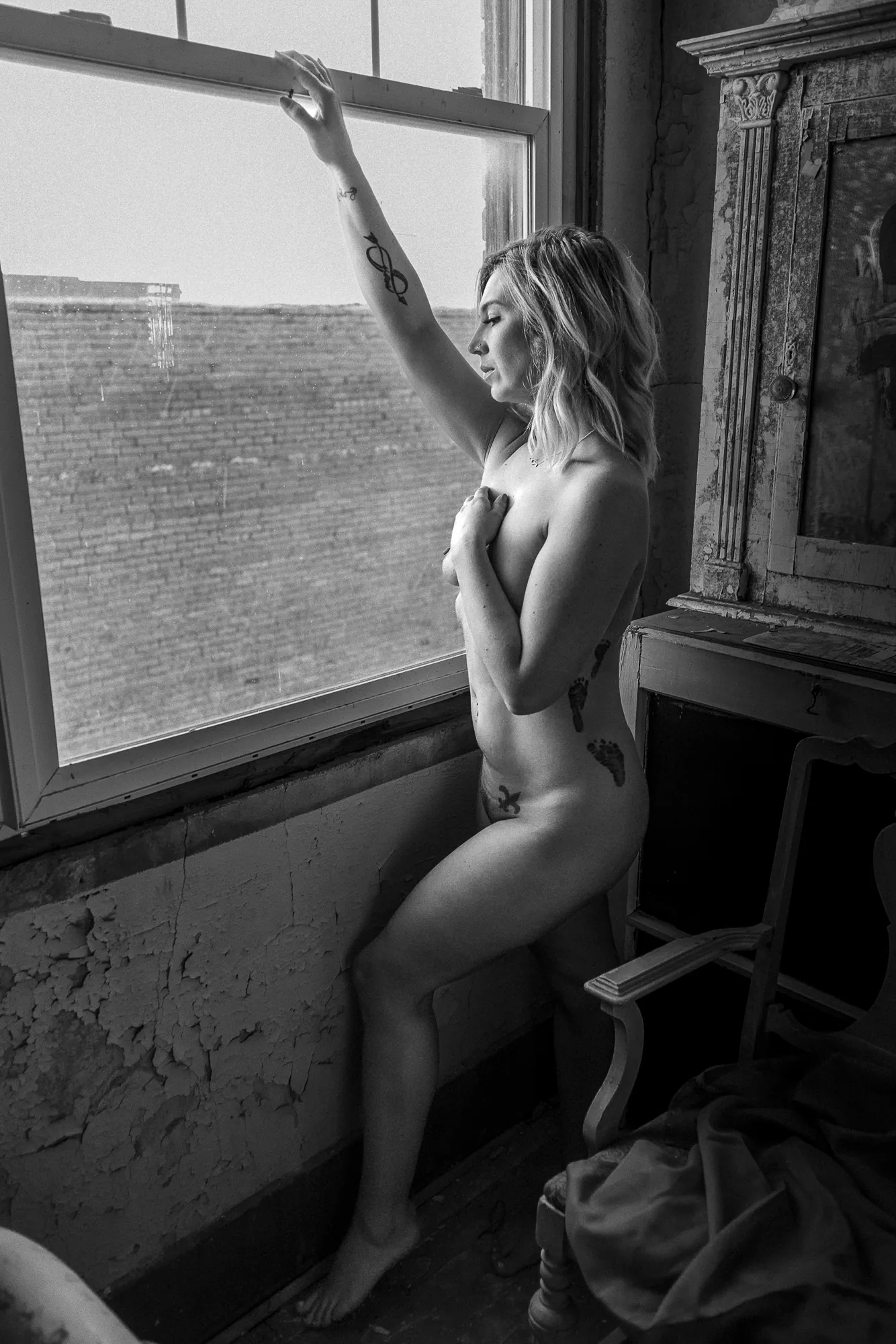
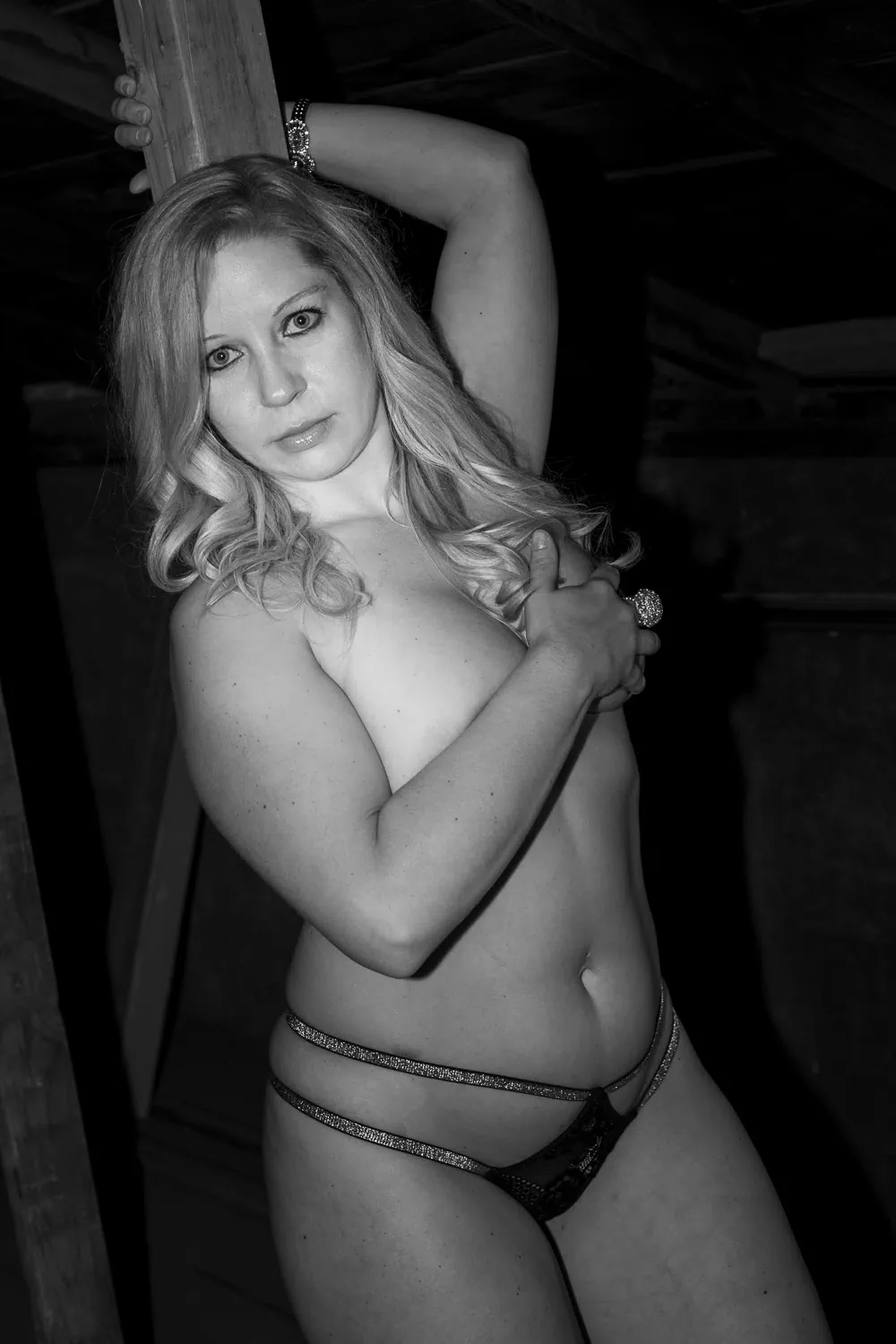
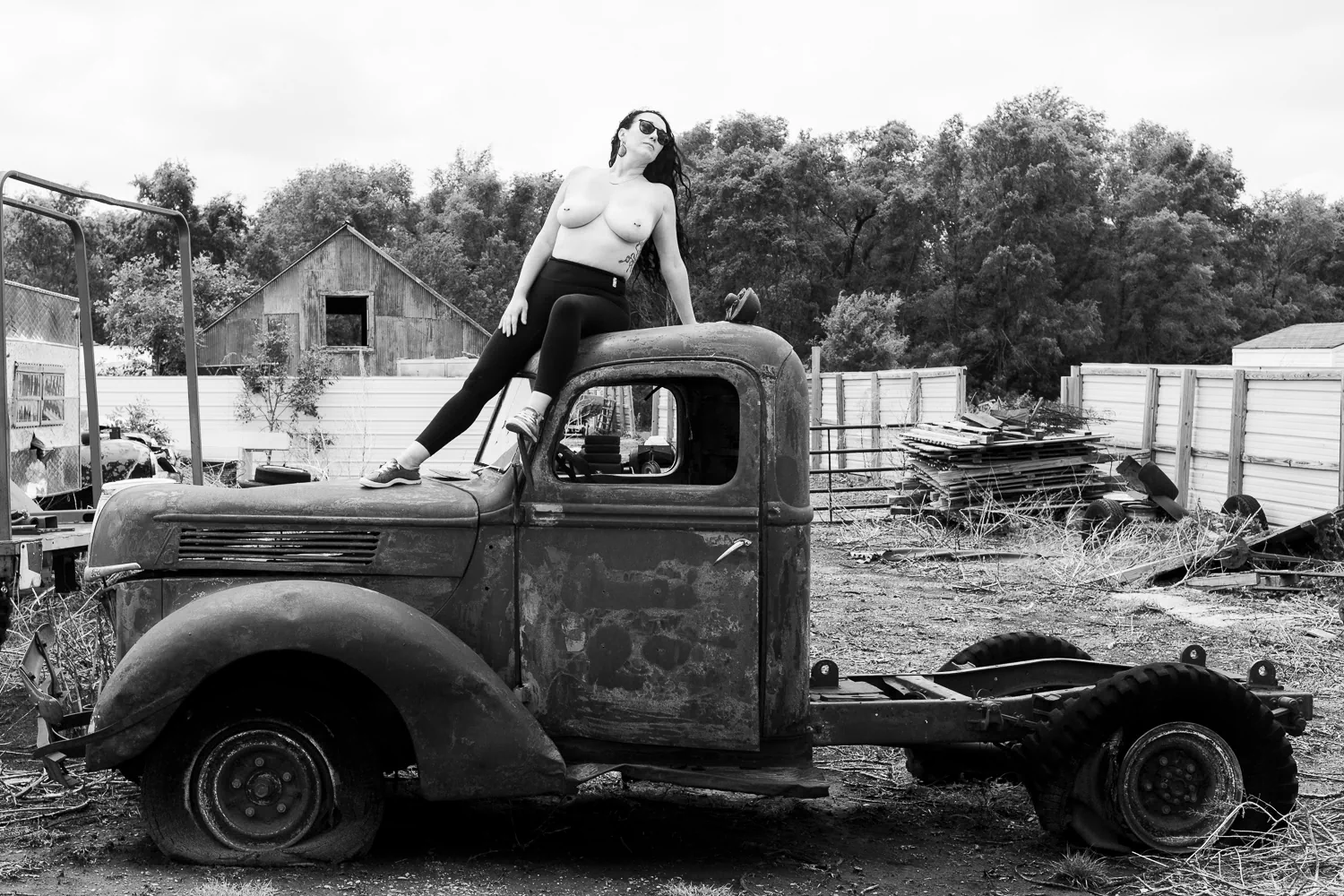
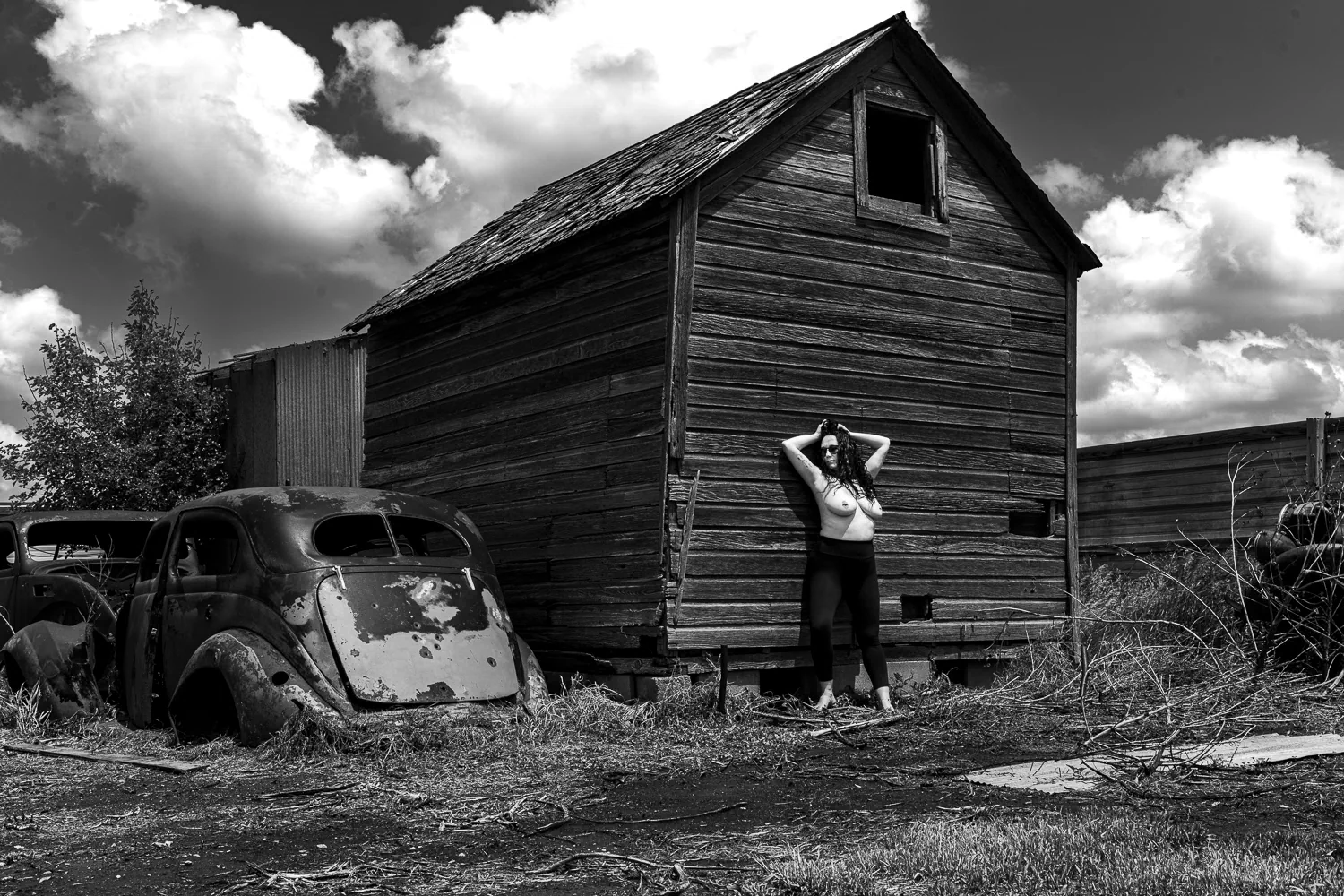
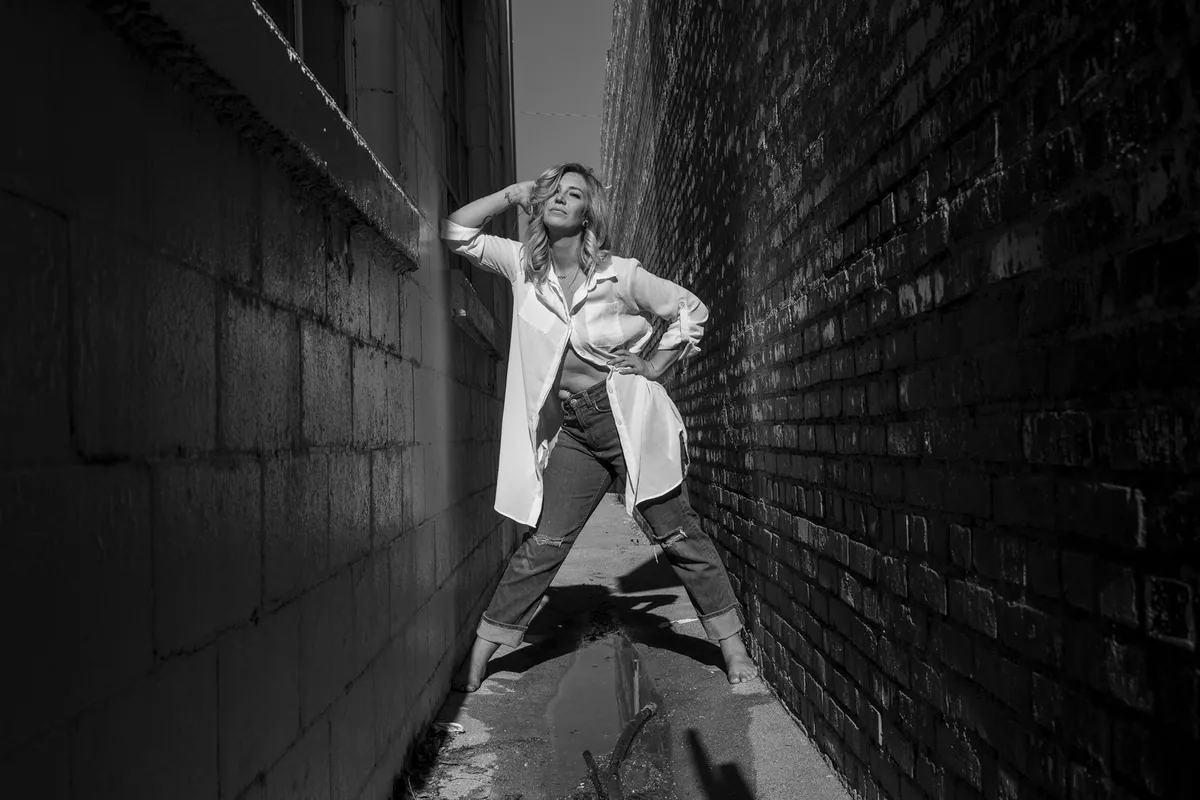
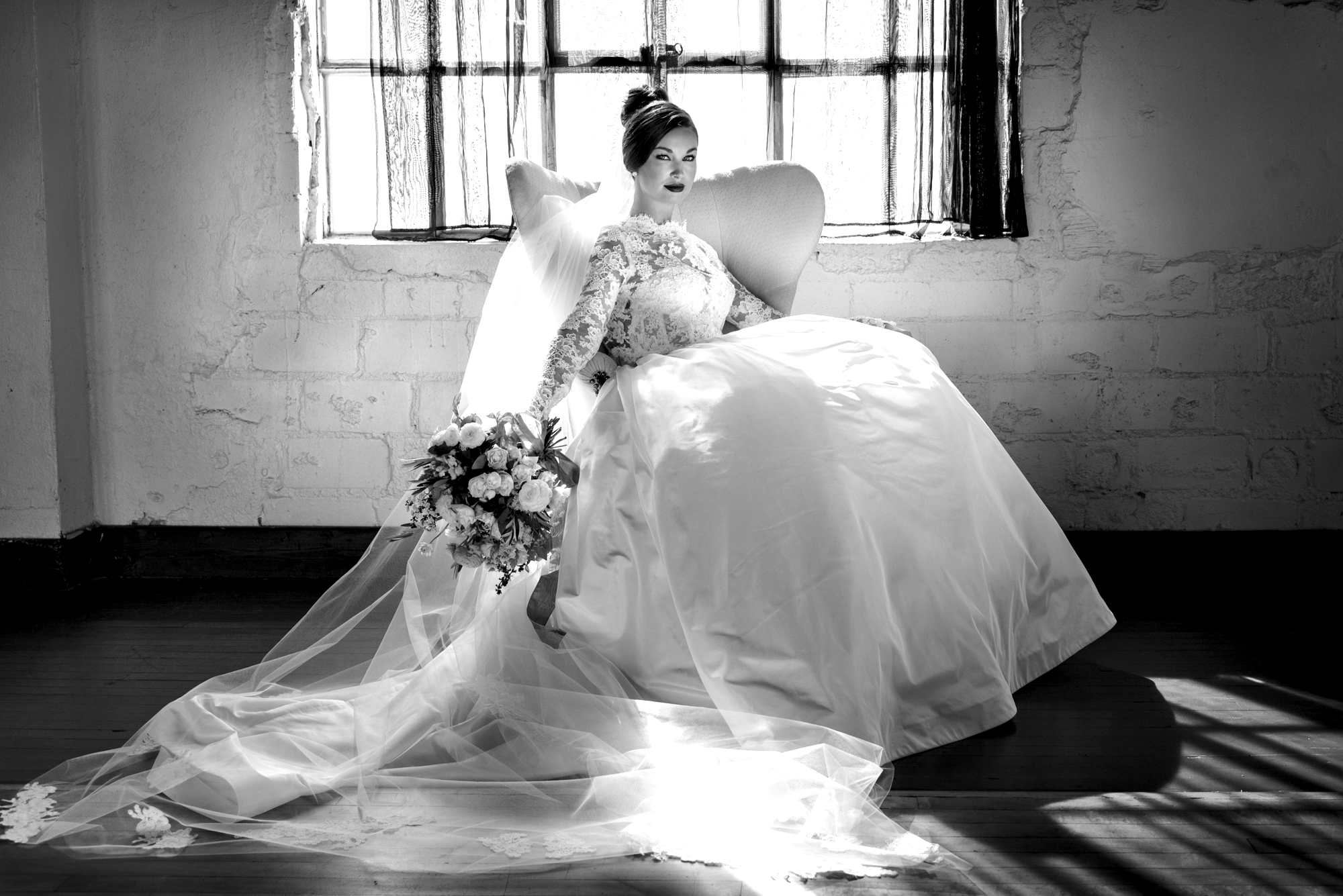
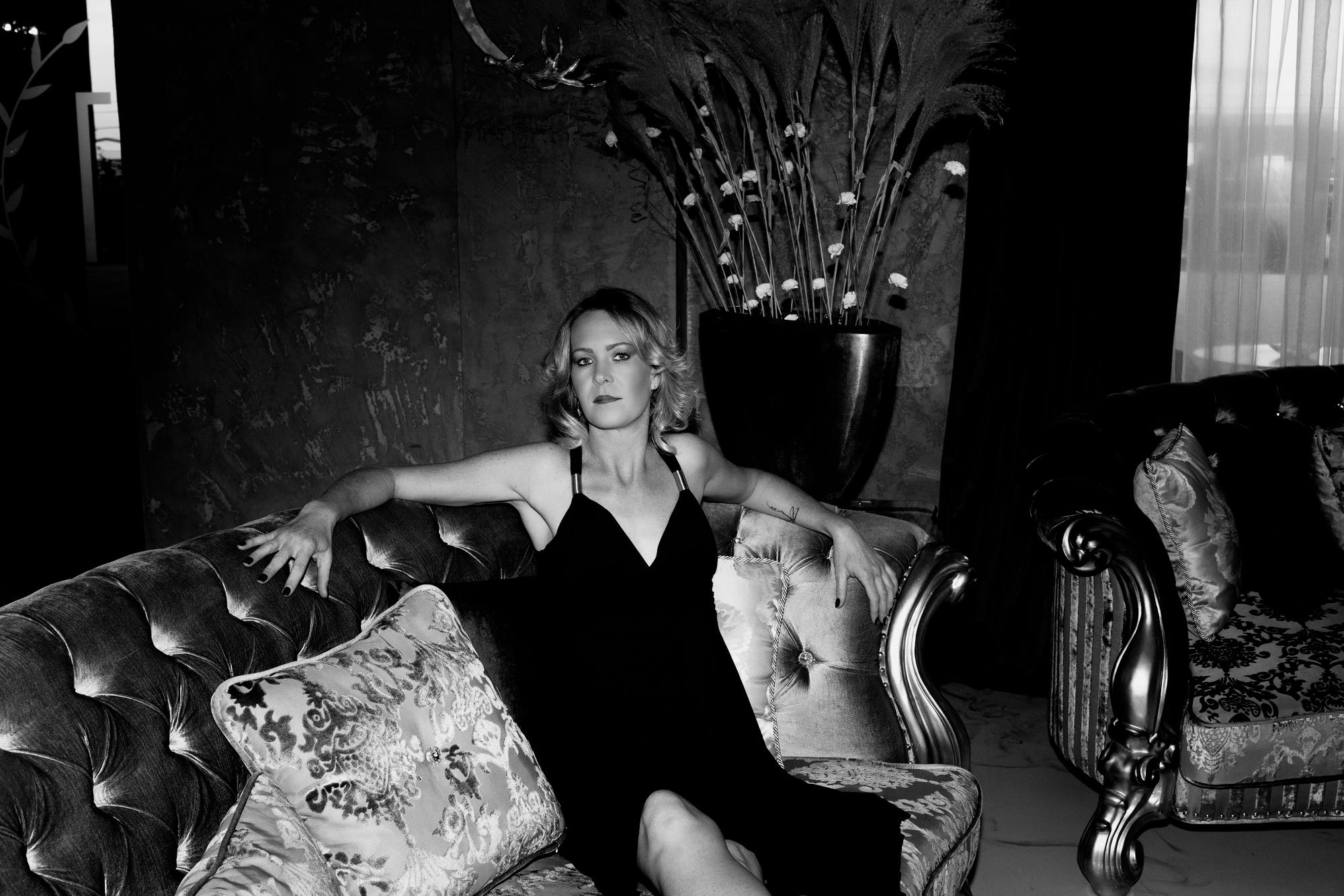
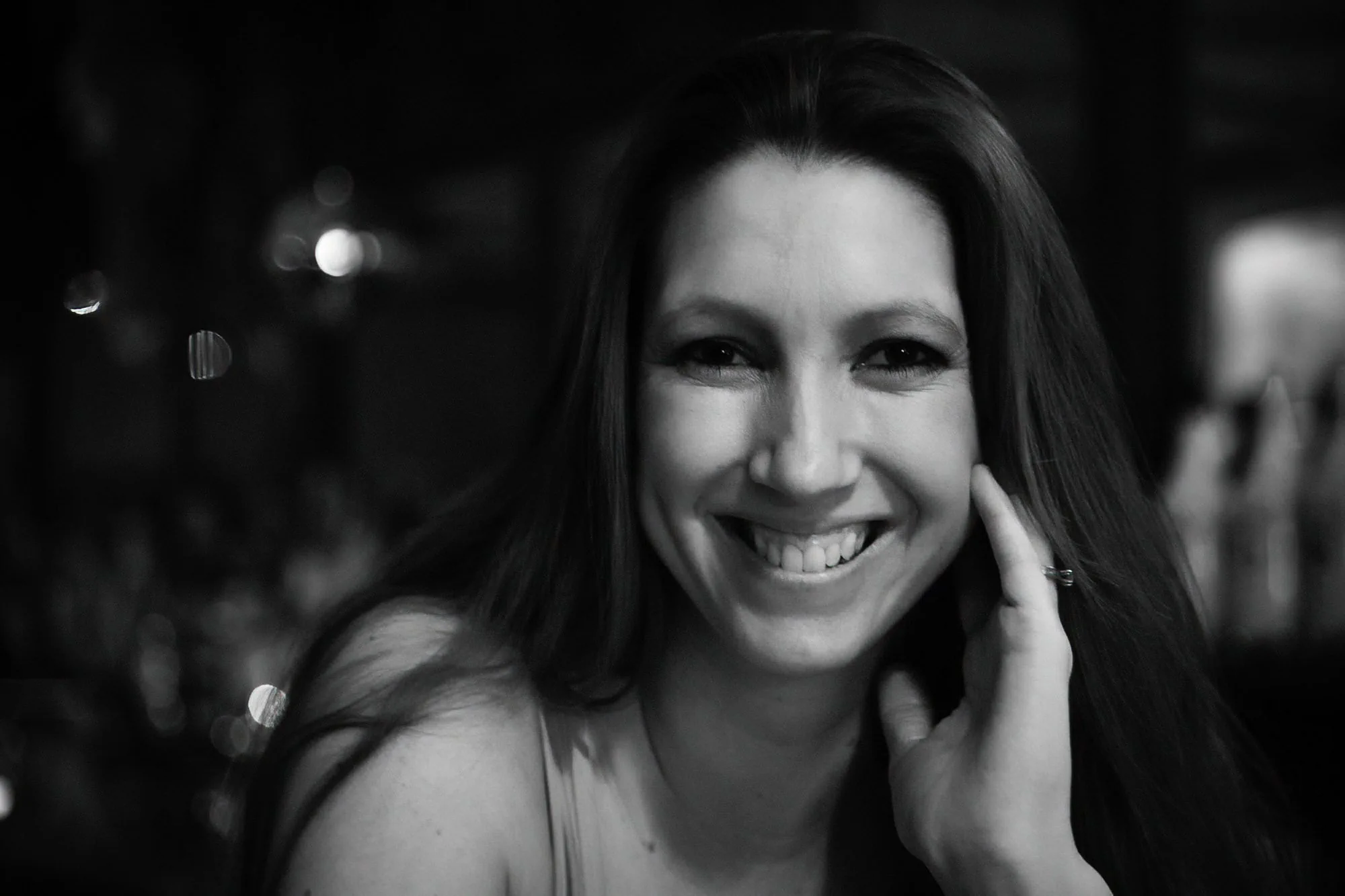
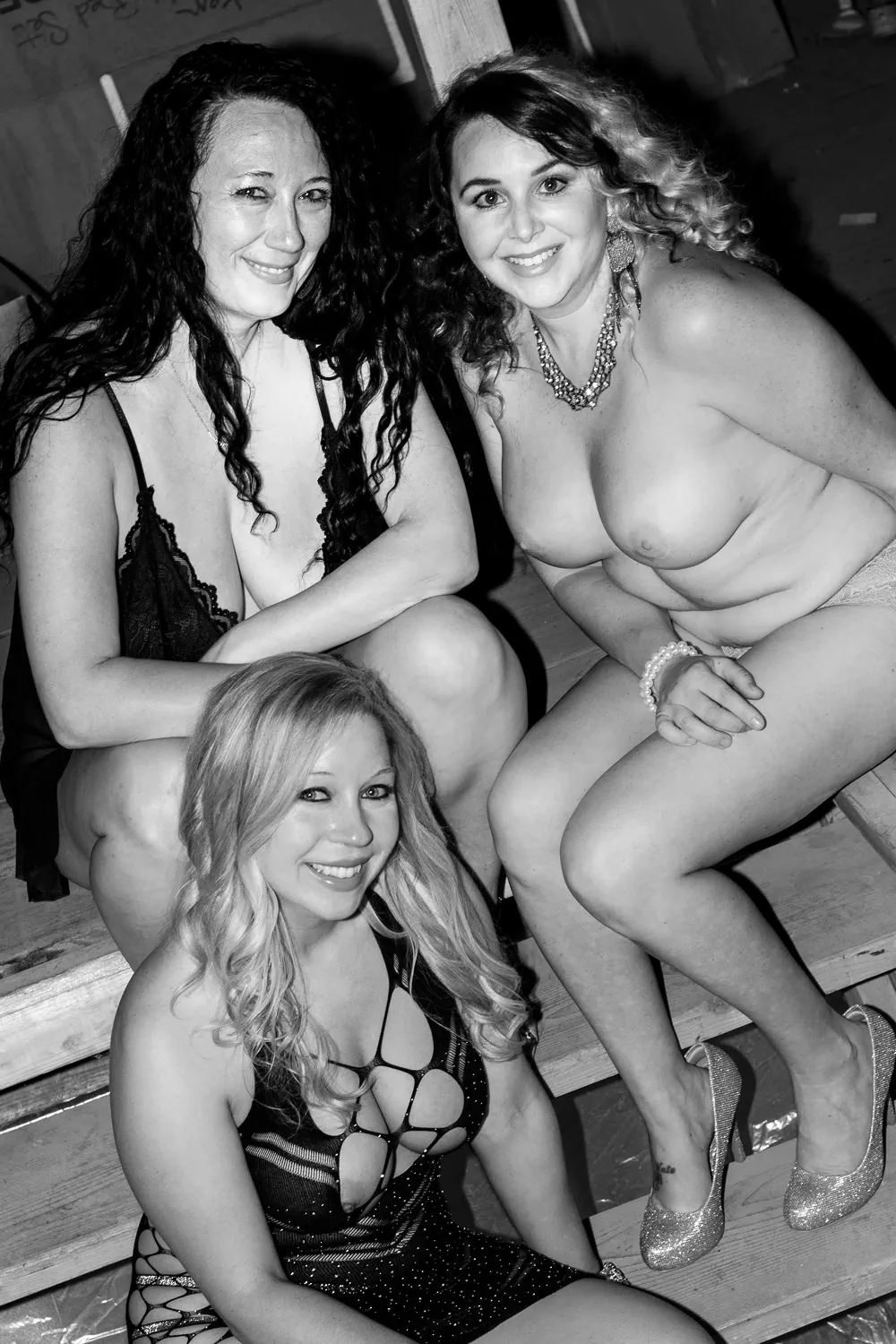
There are many styles of boudoir photography, ranging from elegant and refined to bold and provocative. It’s a genre that can take on many forms, expressed through different moods, fashions, colors, and textures. The images presented here reflect just a few ways environments can be interpreted—but first, a little history.
Boudoir photography traces its roots back to 19th-century Europe, where early photographers began capturing intimate, softly lit portraits inspired by classical painting. The word boudoir itself comes from French, referring to a private dressing room or bedroom—spaces associated with quiet, personal moments. These early images were often modest by today’s standards, focusing on elegance, posture, and suggestion rather than overt sensuality.
By the early 20th century, boudoir photography evolved alongside the rise of glamour photography. In Hollywood’s Golden Age of the 1920s through the 1940s, studios produced stylized portraits of actresses using dramatic lighting, soft focus, and careful posing. These images emphasized beauty, confidence, and allure, helping shape what would later become the visual language of boudoir work.
The 1950s and 1960s brought the influence of pin-up culture, where photography became more playful and widely distributed. Magazines and calendars featured women in staged, flirtatious poses, blending innocence with sensuality. This era pushed boudoir imagery further into the mainstream, though it was still largely shaped by commercial and male-driven perspectives.
In the late 20th and early 21st centuries, boudoir photography shifted significantly. It moved away from purely commercial or stylized imagery and became more personal and empowering. Today, boudoir sessions are often commissioned by individuals to celebrate milestones, relationships, or self-confidence. The focus has broadened to include diverse body types, identities, and stories, emphasizing authenticity over perfection.
Modern boudoir photography blends elements of fine art, portraiture, and documentary work. Whether shot in natural light or carefully controlled studio settings, it continues to evolve—rooted in its past, but increasingly defined by personal expression and empowerment.
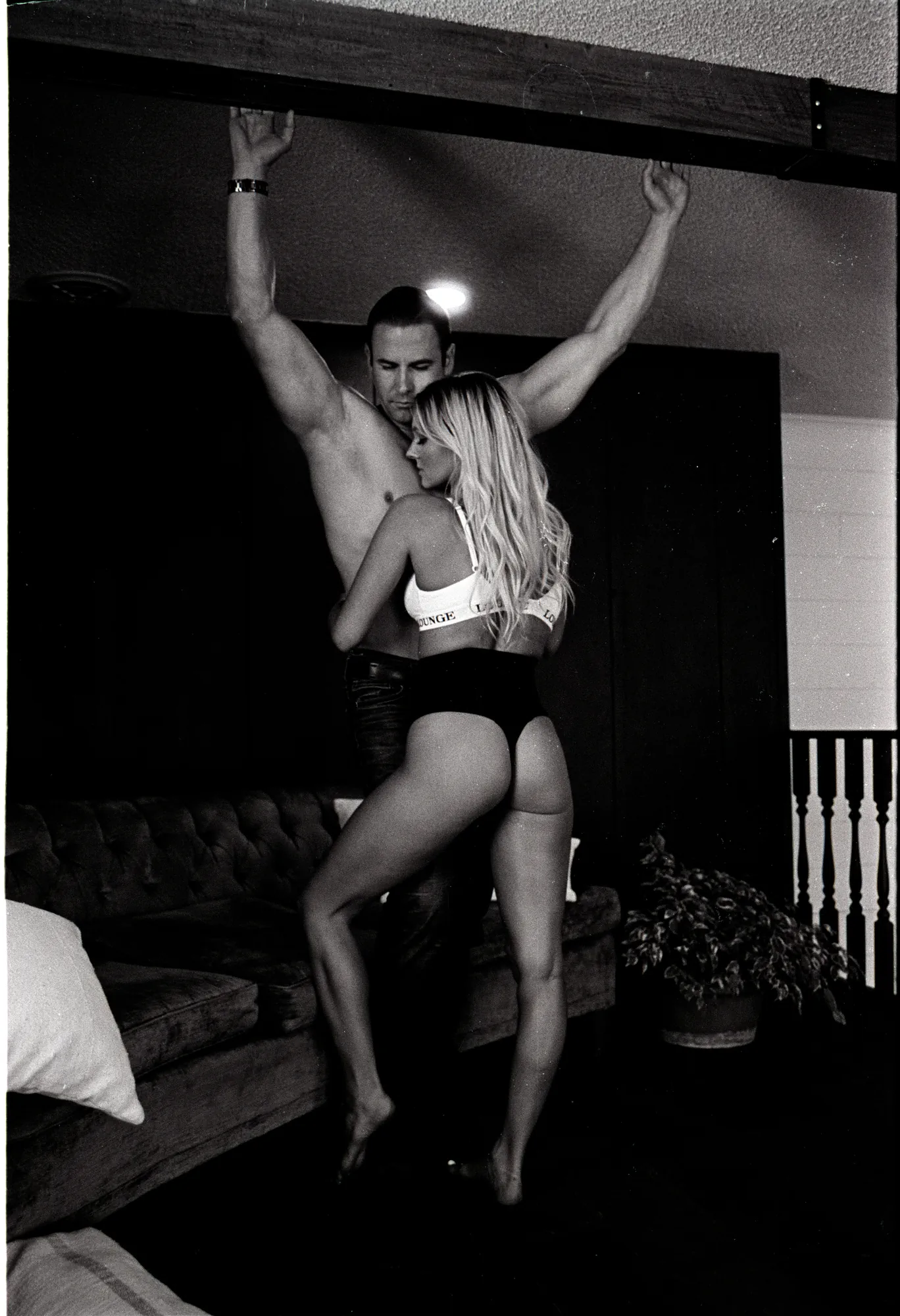
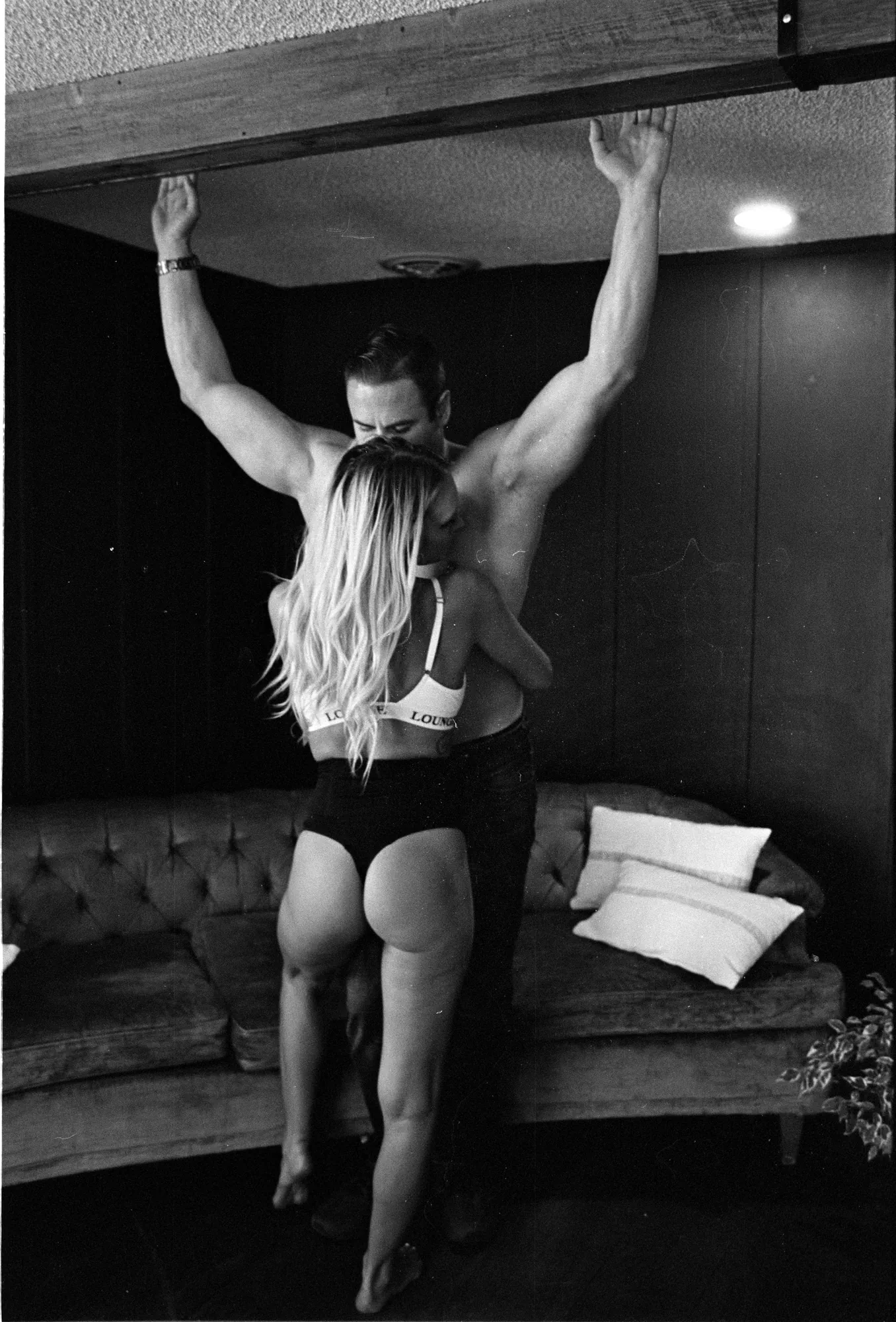

The above images are unedited. They were taken directly from the film scan of the negative. With edits they would look even better. I always recommend film for sensual shoots. It’s more natural and a fuck-load more sexy than a digital image.