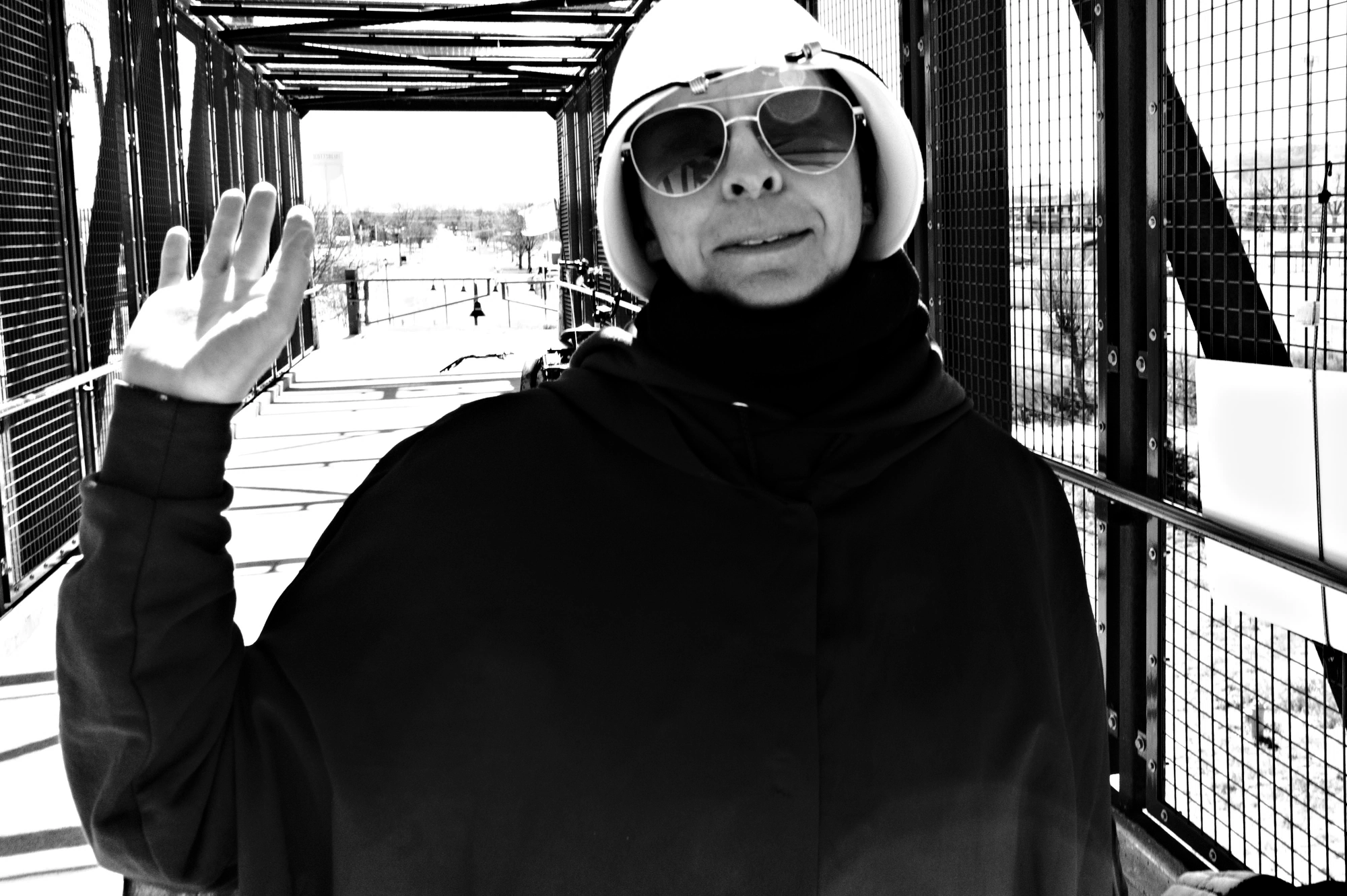
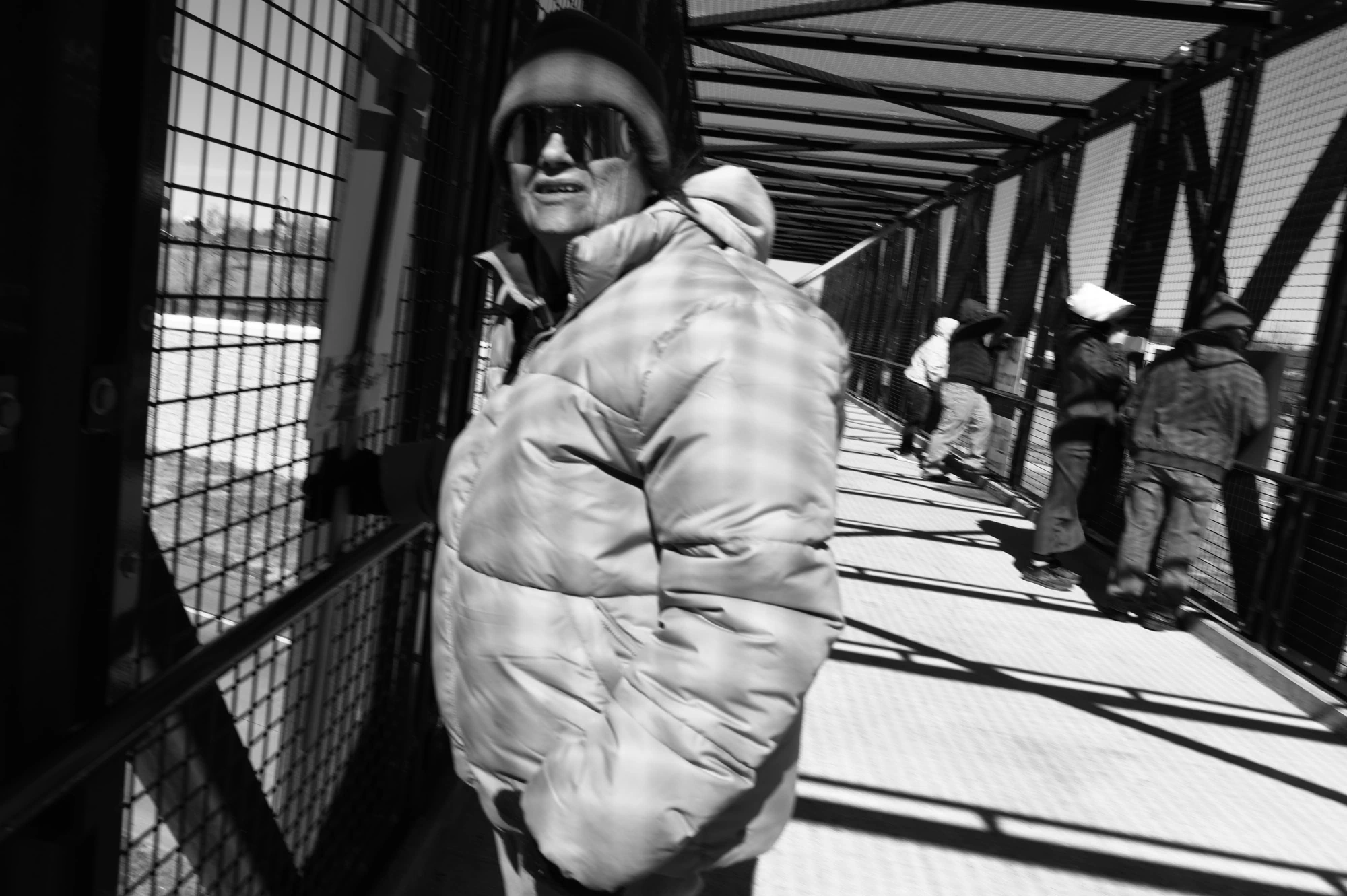
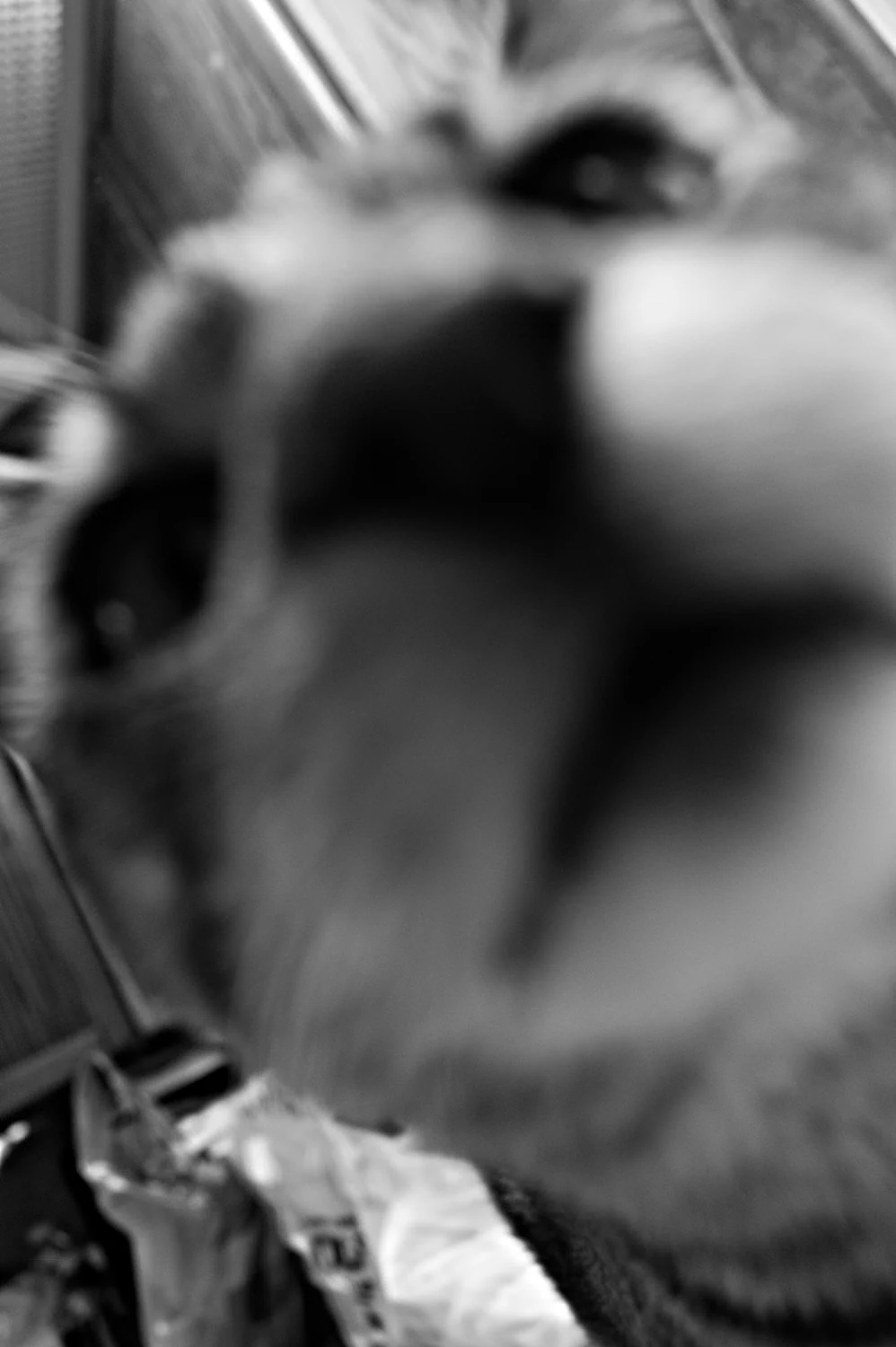
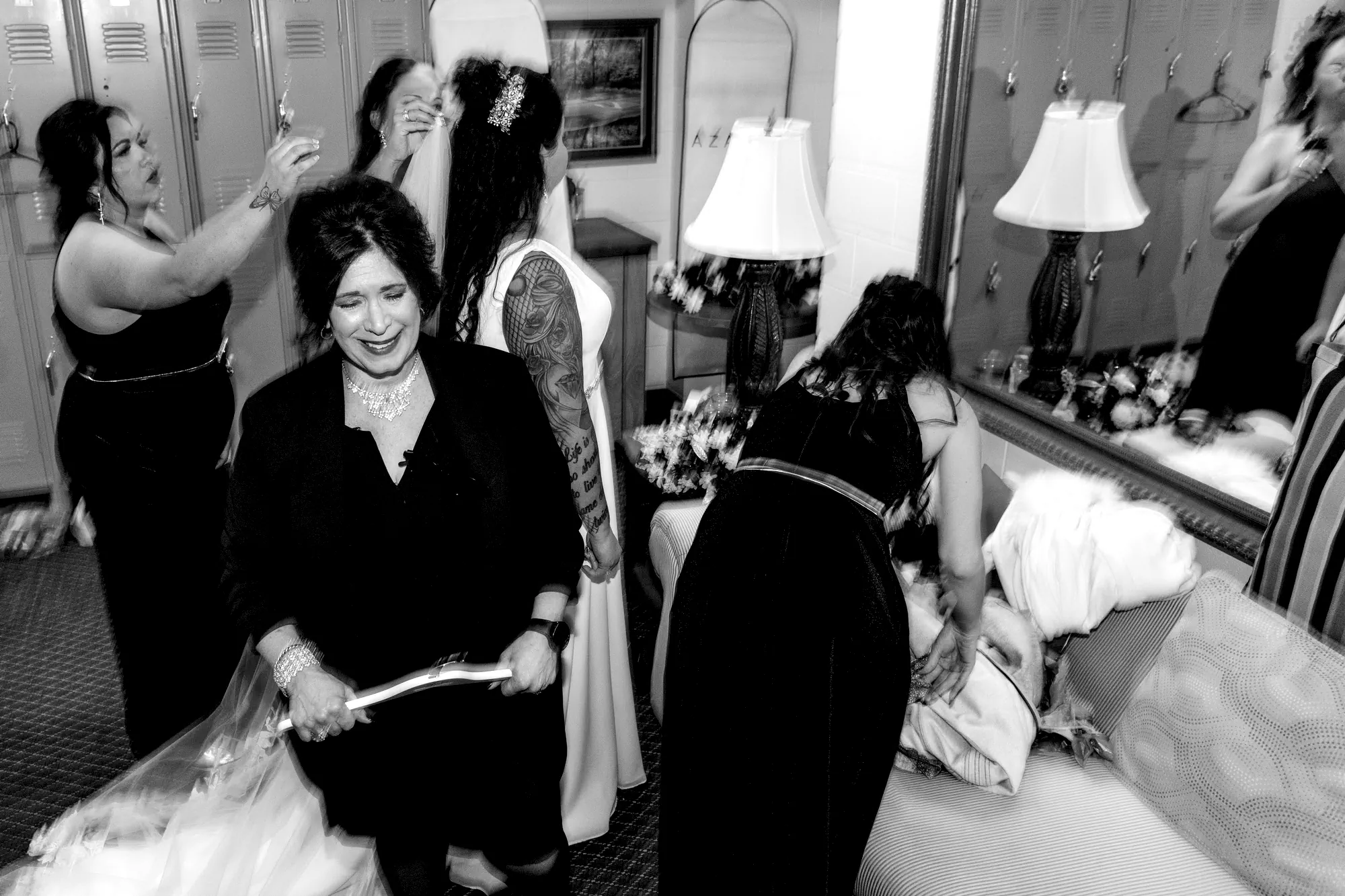
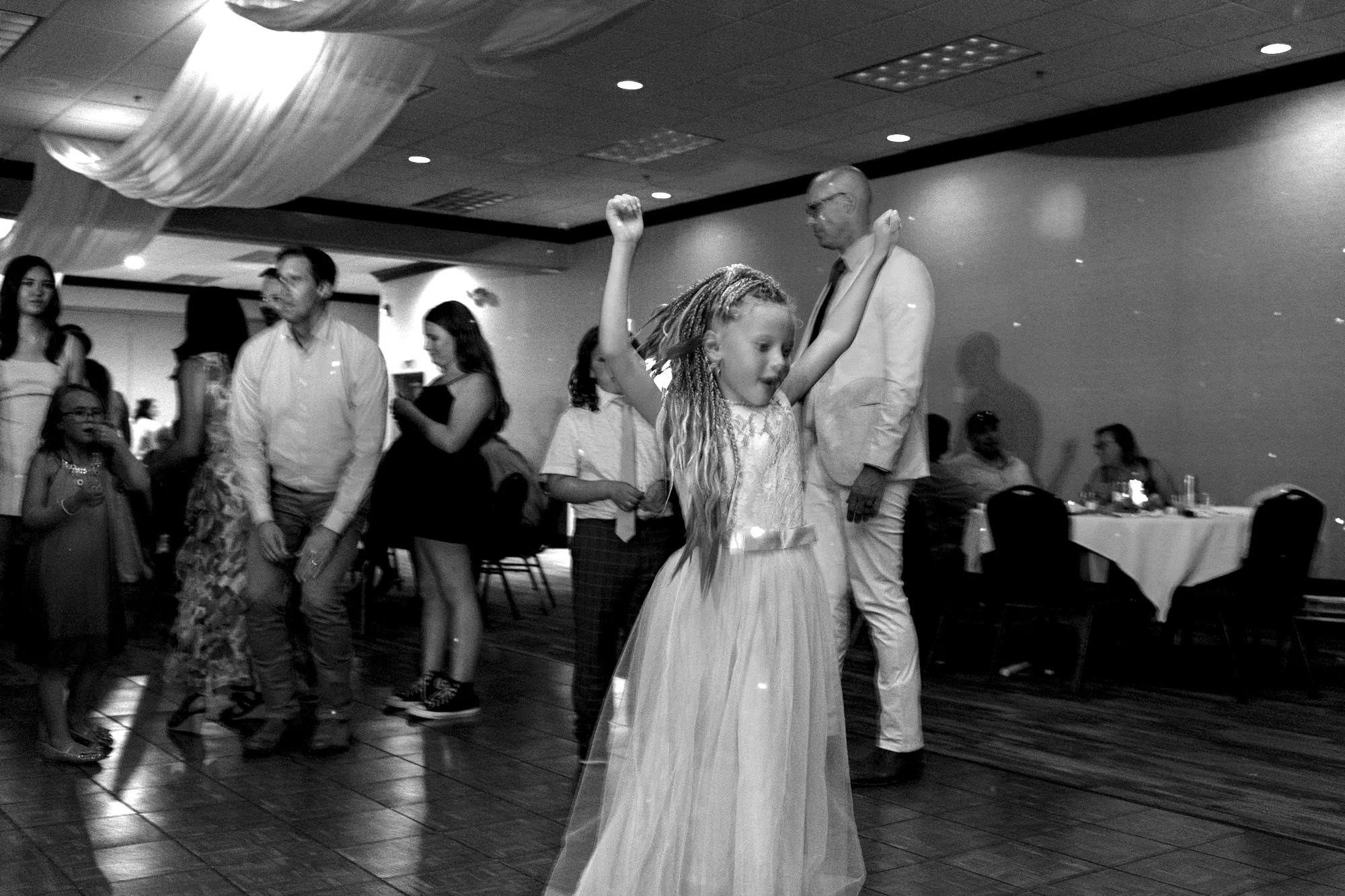
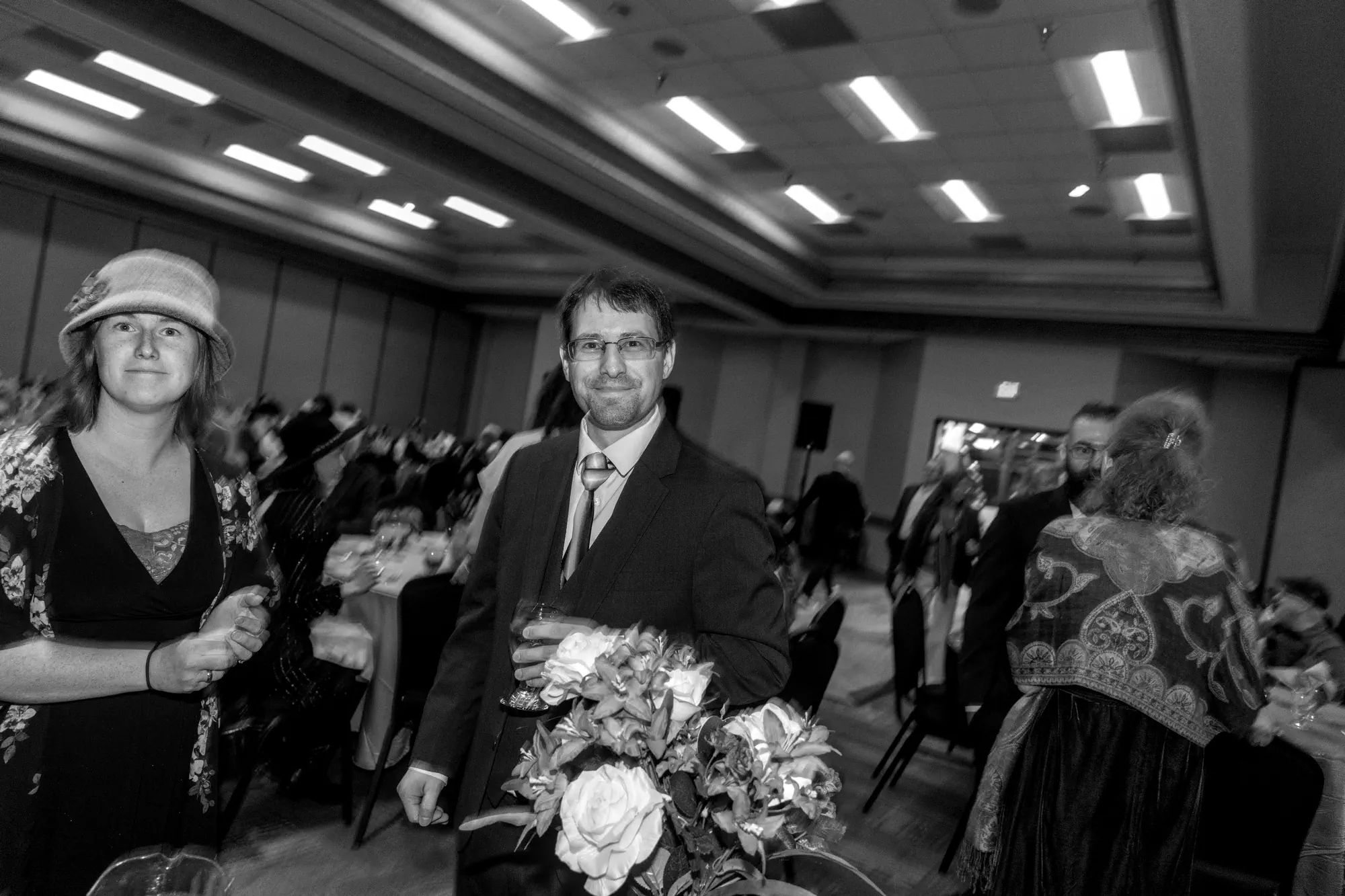
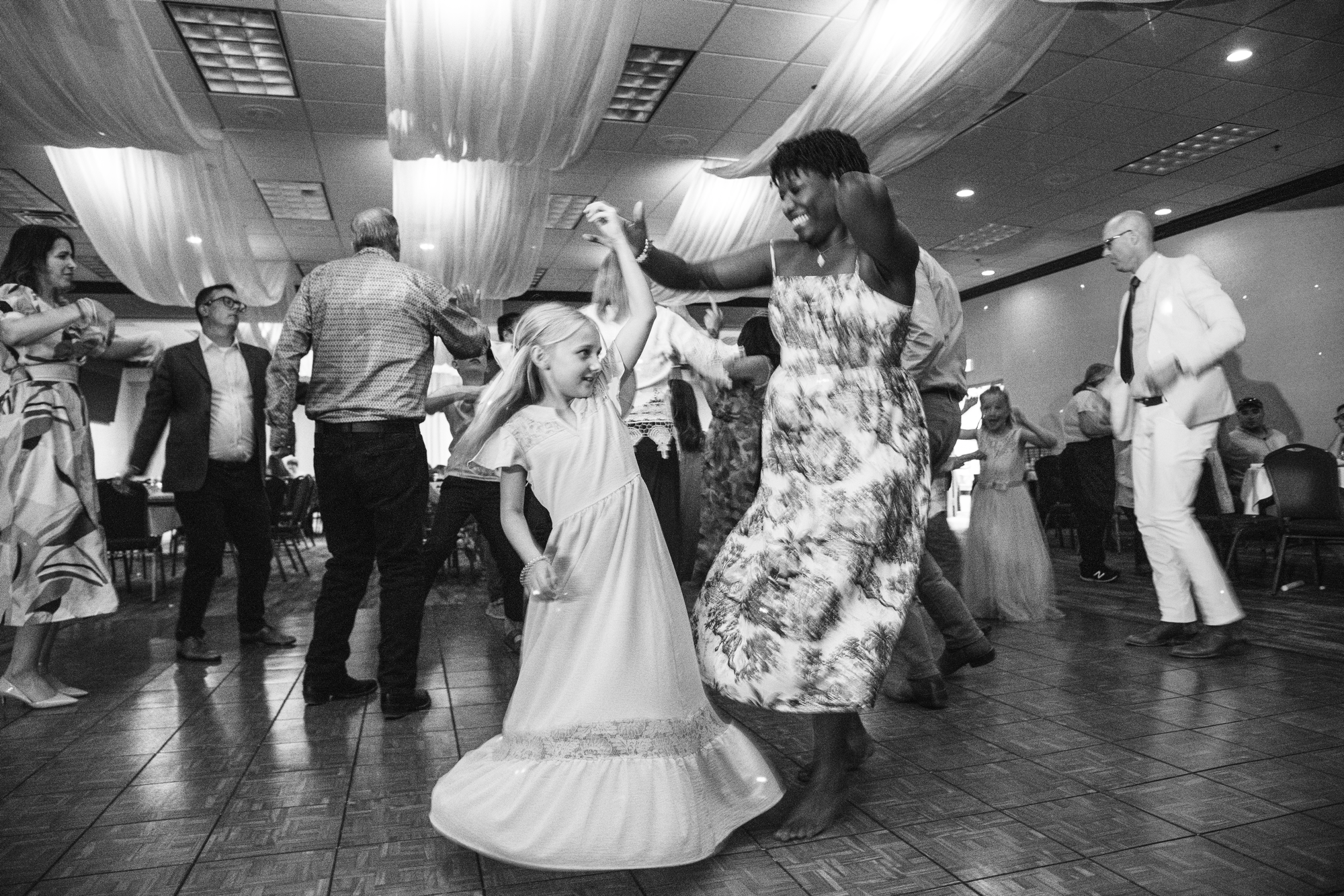
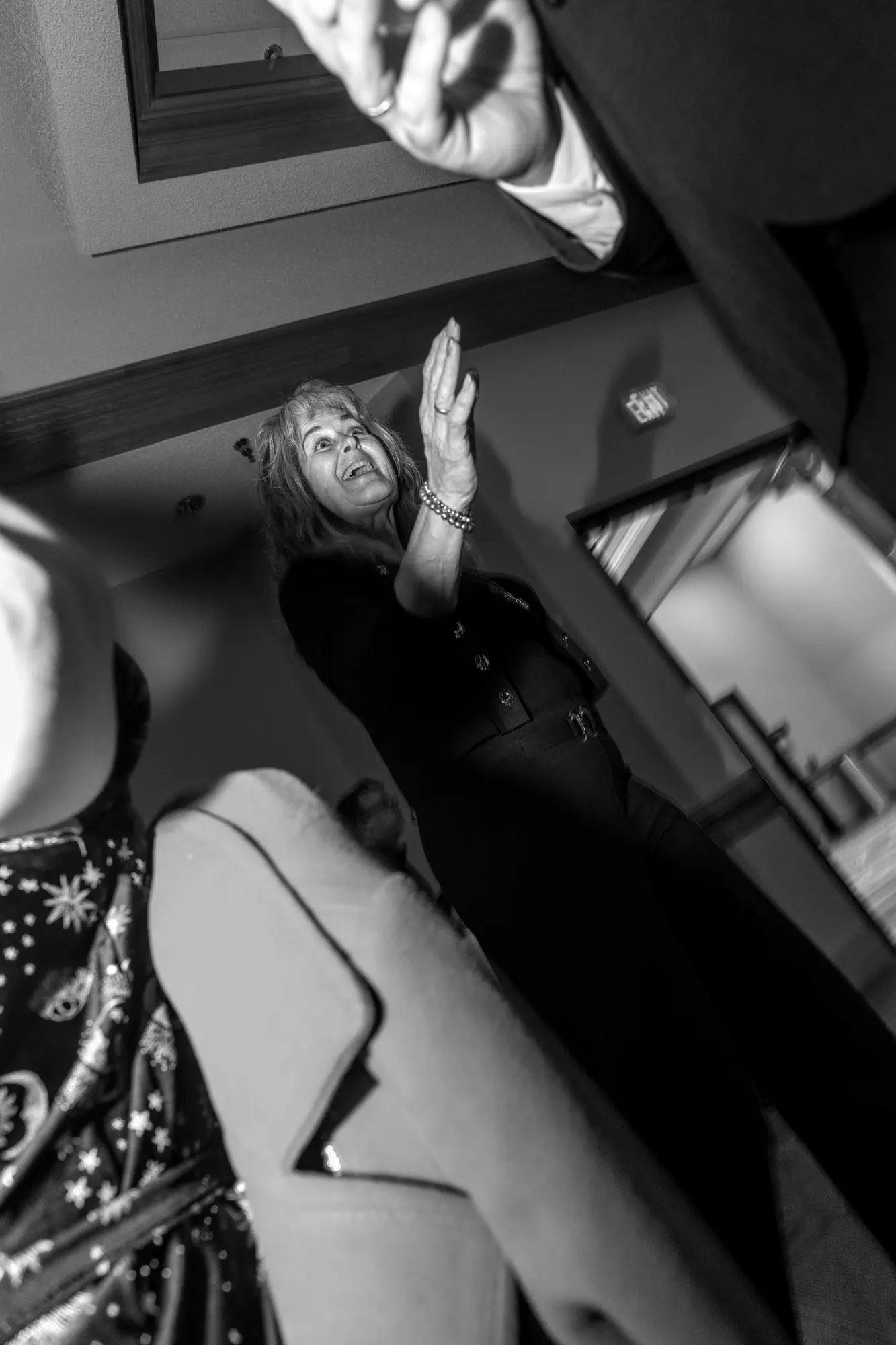
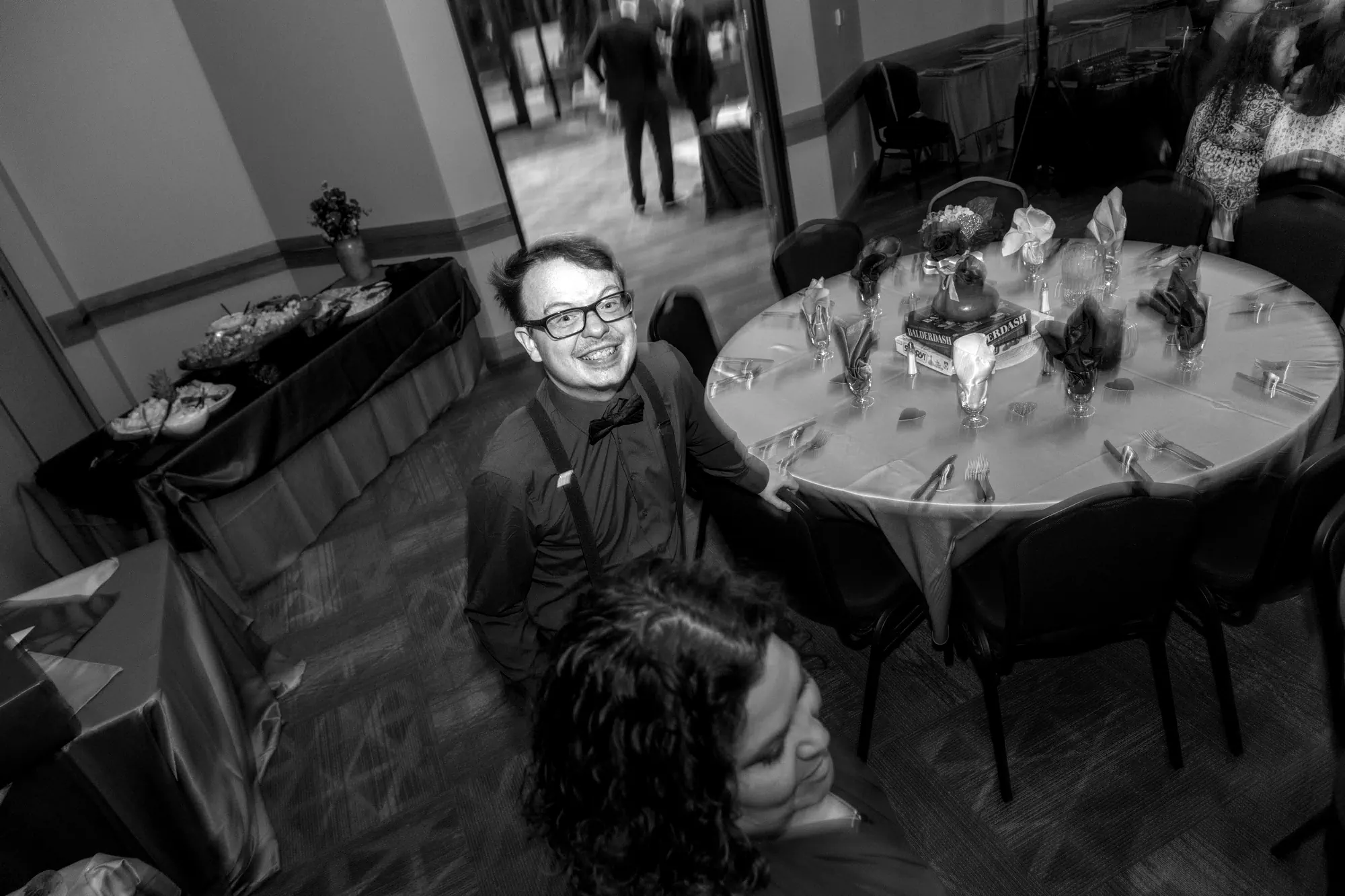
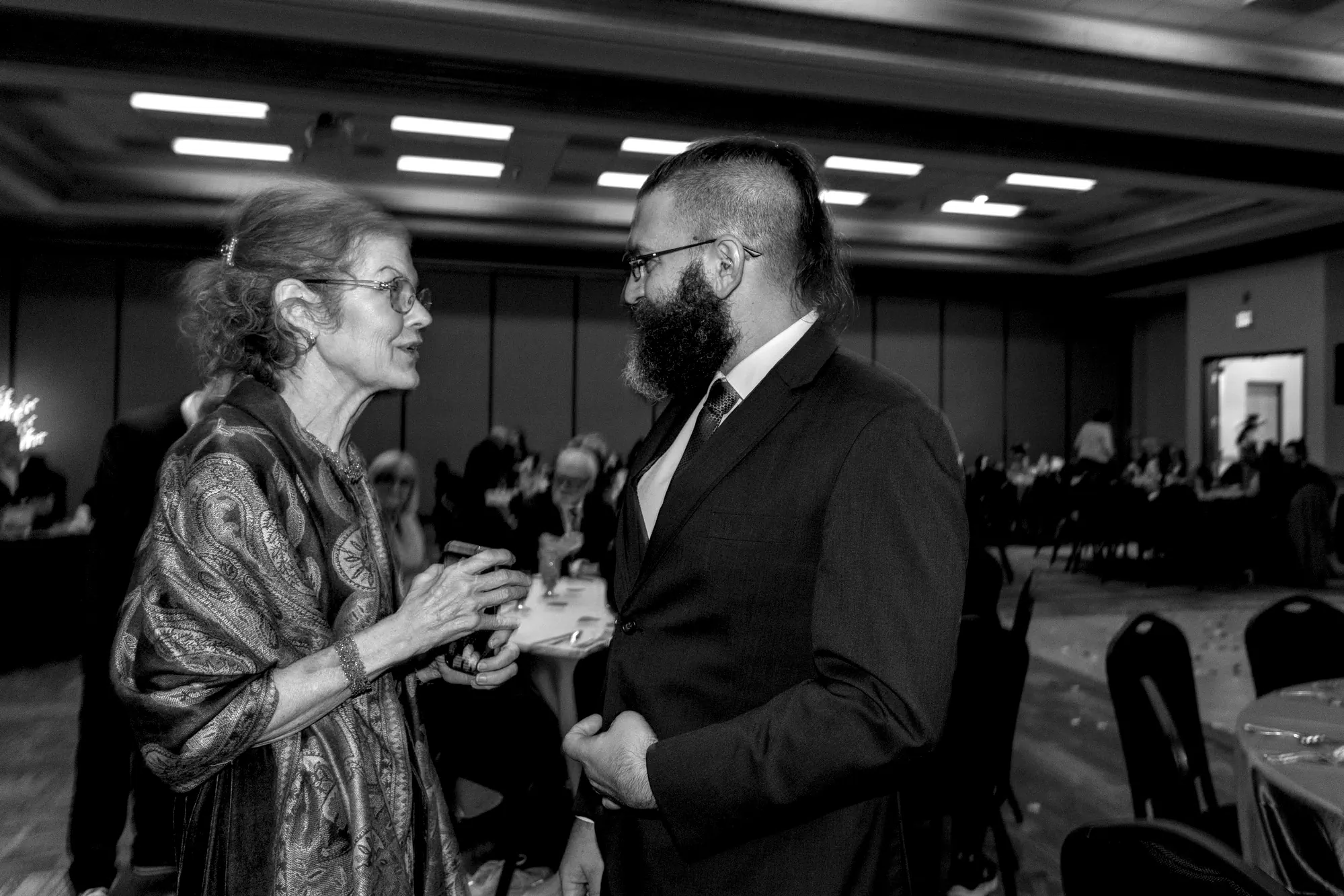
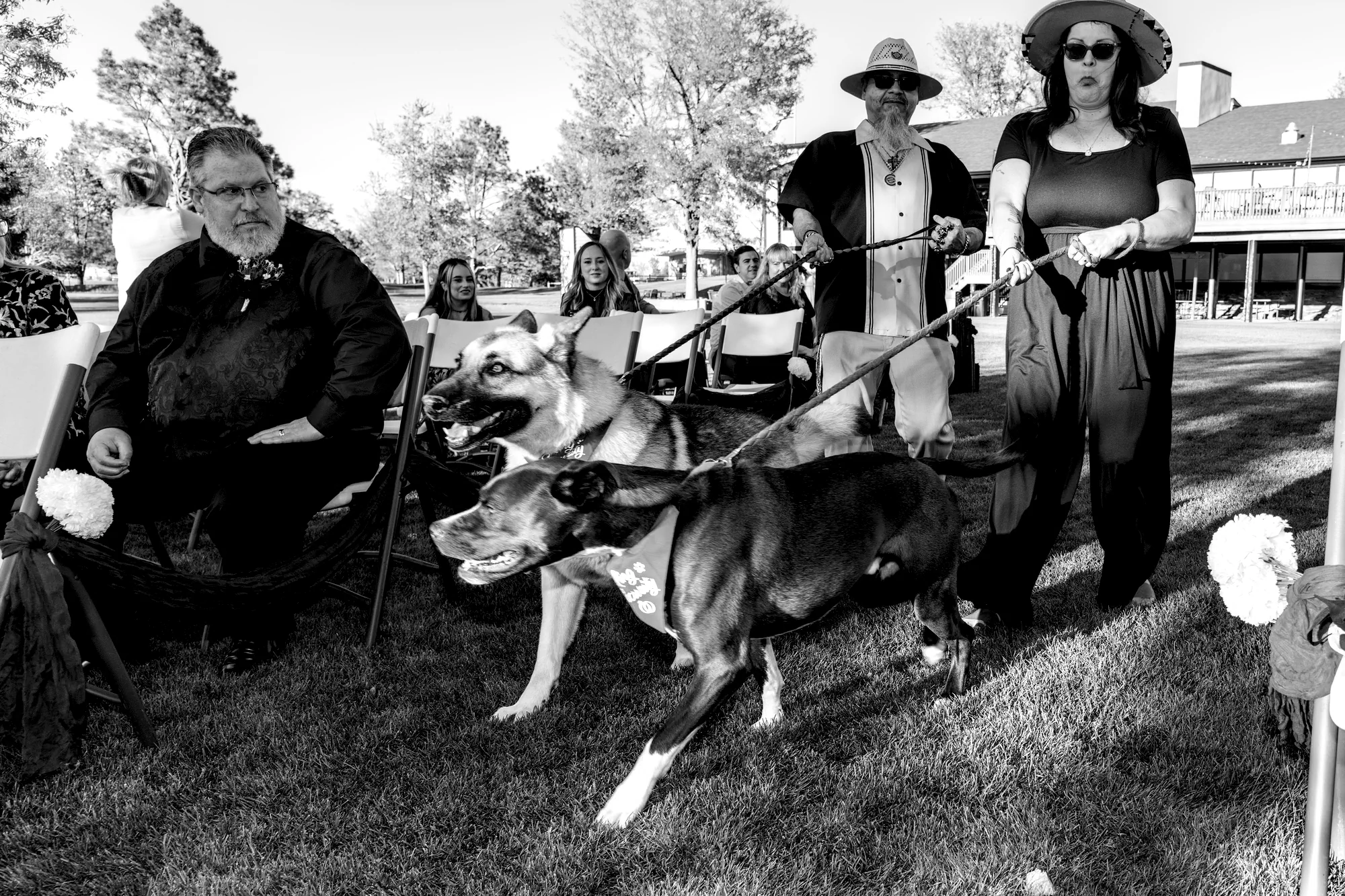
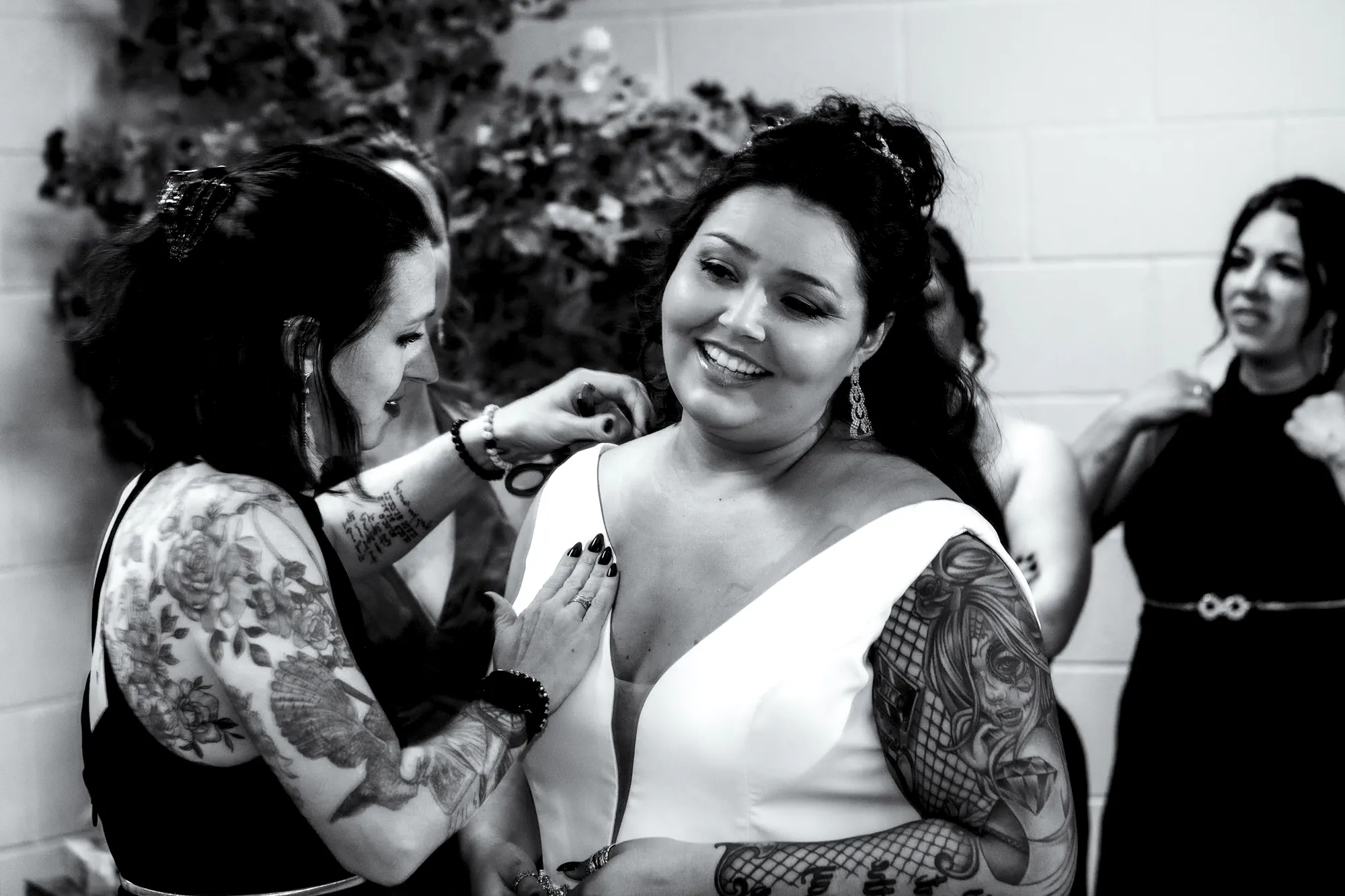
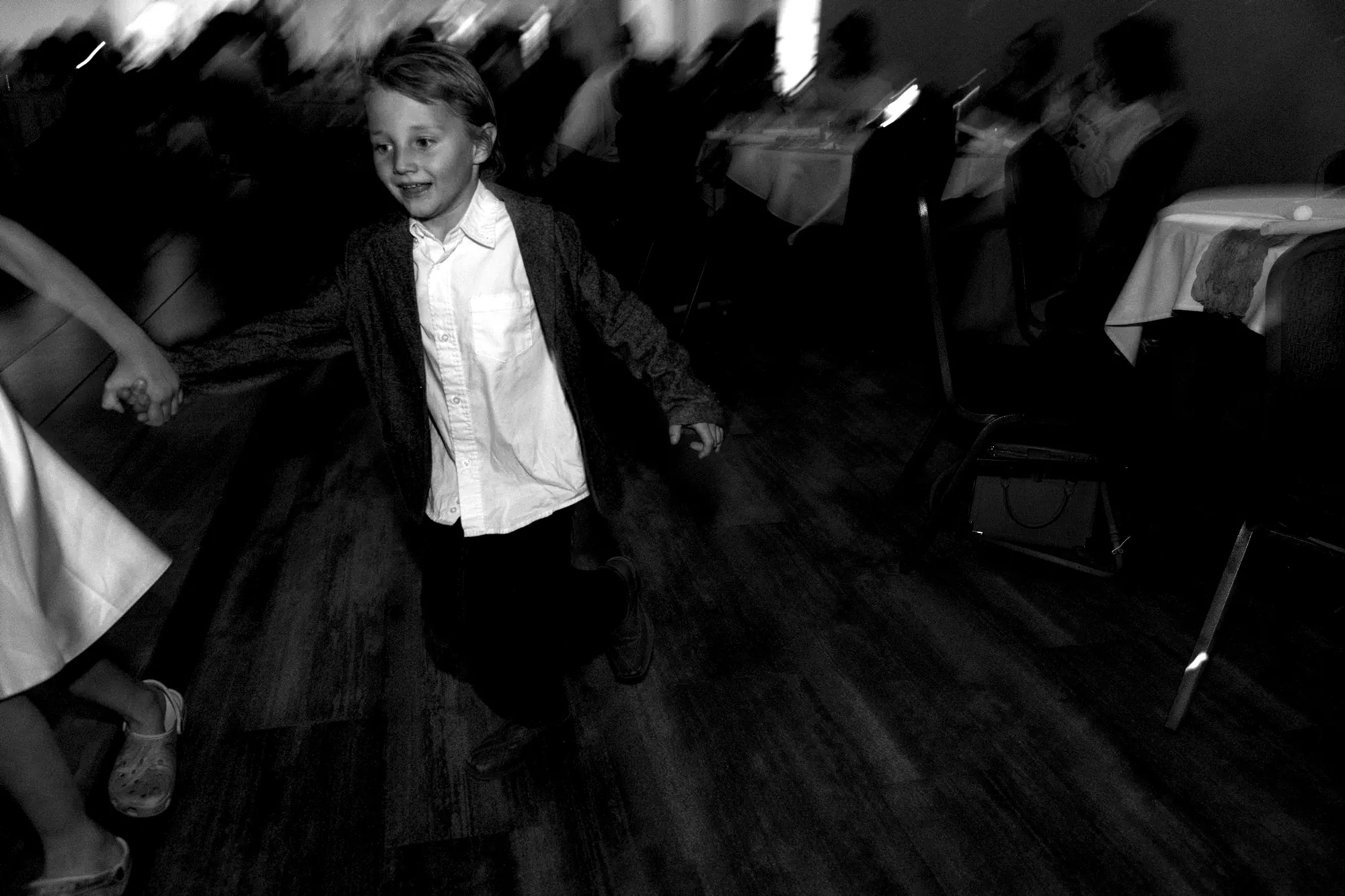
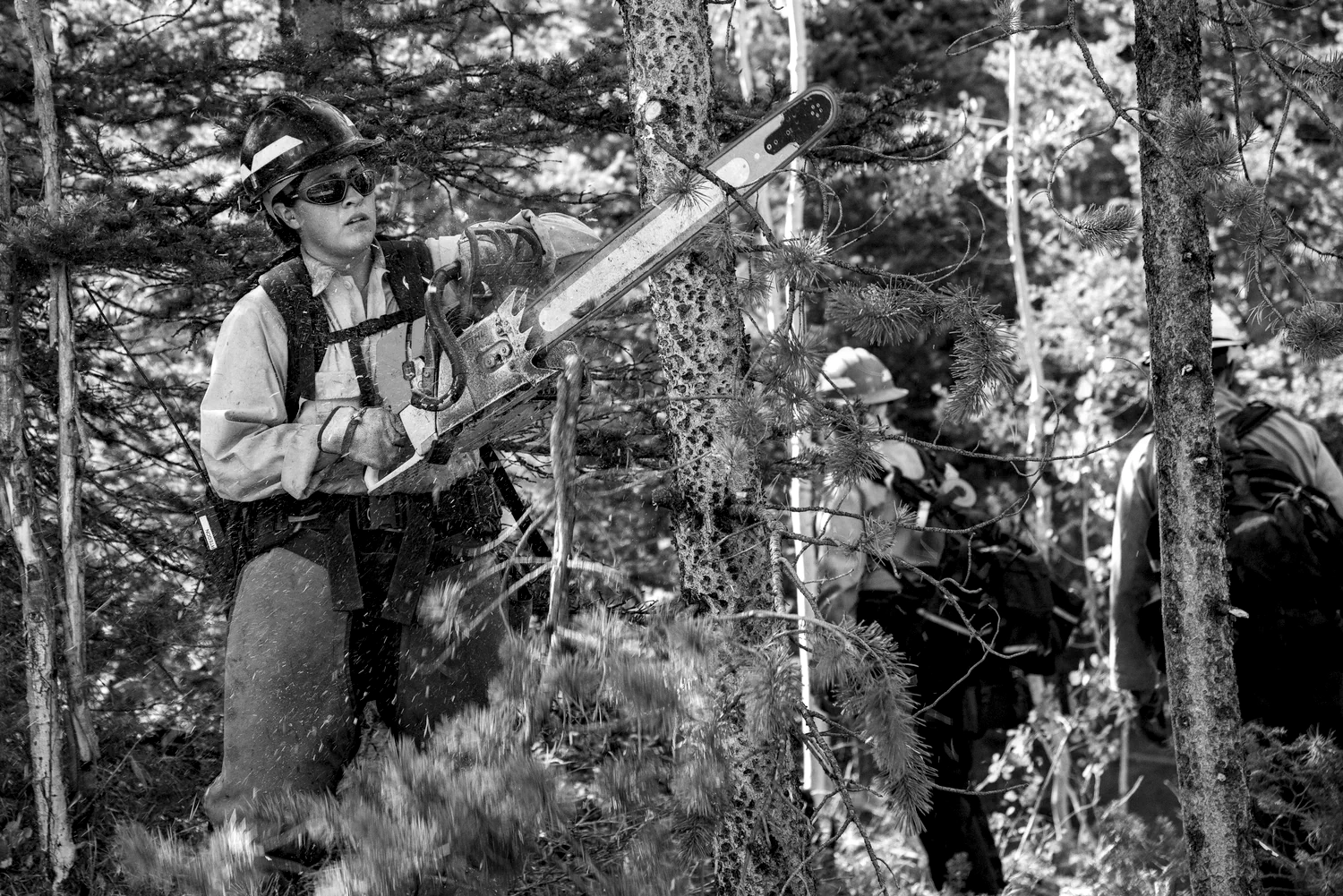
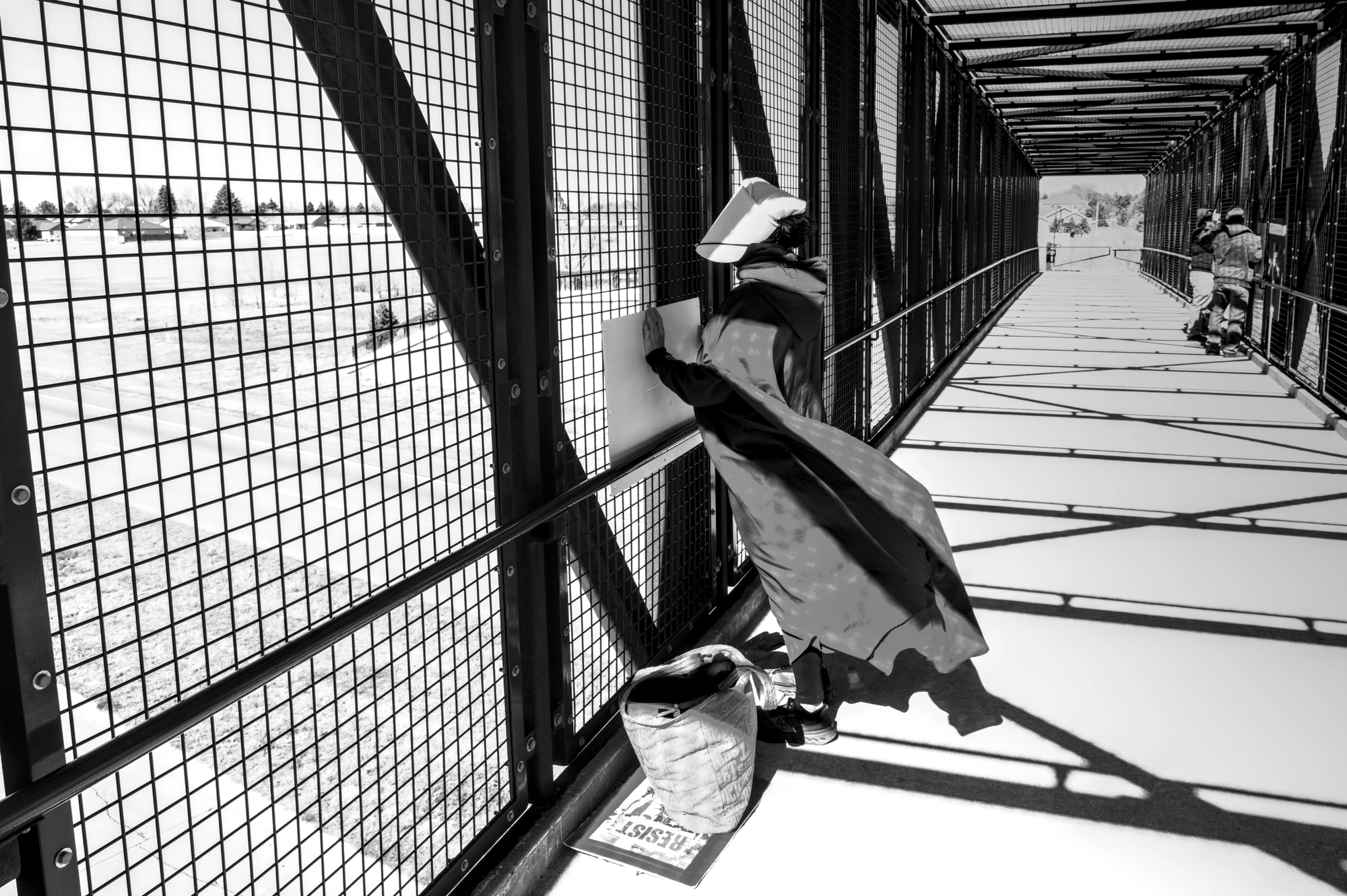
Most photographers spend their lives trying to eliminate blur. They buy faster lenses, chase higher shutter speeds, and obsess over sharpness like it’s the only measure of a photograph’s worth. I’ve never been particularly interested in that race. Life isn’t perfectly sharp. It moves. It breathes. It slips past you whether you’re ready or not. Blur is simply the camera telling the truth about that.
When motion enters an image, something interesting happens. The photograph stops pretending to be a frozen slice of time and starts behaving more like memory. Think about how you actually remember things: people walking past you, headlights sliding down a wet street, a hand moving across a table. Your mind doesn’t store those moments as razor-sharp still frames. It stores the feeling of movement. Blur captures that sensation in a way perfect sharpness never can.
From a realist point of view, blur is honest. The world is not static. Nothing stands completely still unless it’s dead. Wind moves trees, people shift their weight, traffic flows, and crowds ripple like water. A photograph that includes blur acknowledges that reality. It shows that time continued to move while the shutter was open. Instead of denying motion, the image embraces it.
Blur also adds mystery. When every detail is perfectly defined, the viewer doesn’t have to think very hard. Their brain reads the scene and moves on. But blur forces interpretation. Who is that person moving through the frame? Where are they going? What just happened a second before the shutter clicked? The image becomes less about documentation and more about experience.
For me, blur isn’t a mistake. It’s evidence that something actually happened in front of the lens. It’s movement, energy, and time all leaving a small fingerprint on the photograph. And sometimes that imperfect trace tells a far more interesting story than perfect sharpness ever could.