I am a photographer. An artist. And for most of my life I have found my own images boring and lackluster.
I have been making photographs since I was twelve years old. Over the years I worked for international, national, and regional publishers, yet I rarely liked the images I produced. That changed only when I began creating my own self-assigned photo essays — work made for myself and no one else. In those projects I finally saw my preferred style emerge, the kind of images I actually enjoy making and returning to.
I have spent my life as a documentary photographer, a photojournalist on a long exploration of the human condition.
As I grow older, I feel less interested in simply recording events and more drawn to the philosophical side of photography. Documentary photography asks, “What happened?”
I now feel compelled to ask something else: “What does this person feel like to encounter in real life?”
I want to photograph presence, not appearance.
I am not trying to pull a subject out of the frame. I want the opposite — for the viewer to feel as though they have entered the subject’s space, sharing a moment of existence with them. The photograph should feel less like observation and more like a meeting.
It has taken more than thirty years for me to reach this point, and for personal reasons this is how I choose to make images now. Of course, when I am hired, the client’s needs come first. Many people prefer a clean digital look, images where shadow detail is visible throughout. Modern photographers often over-light because digital noise is feared.
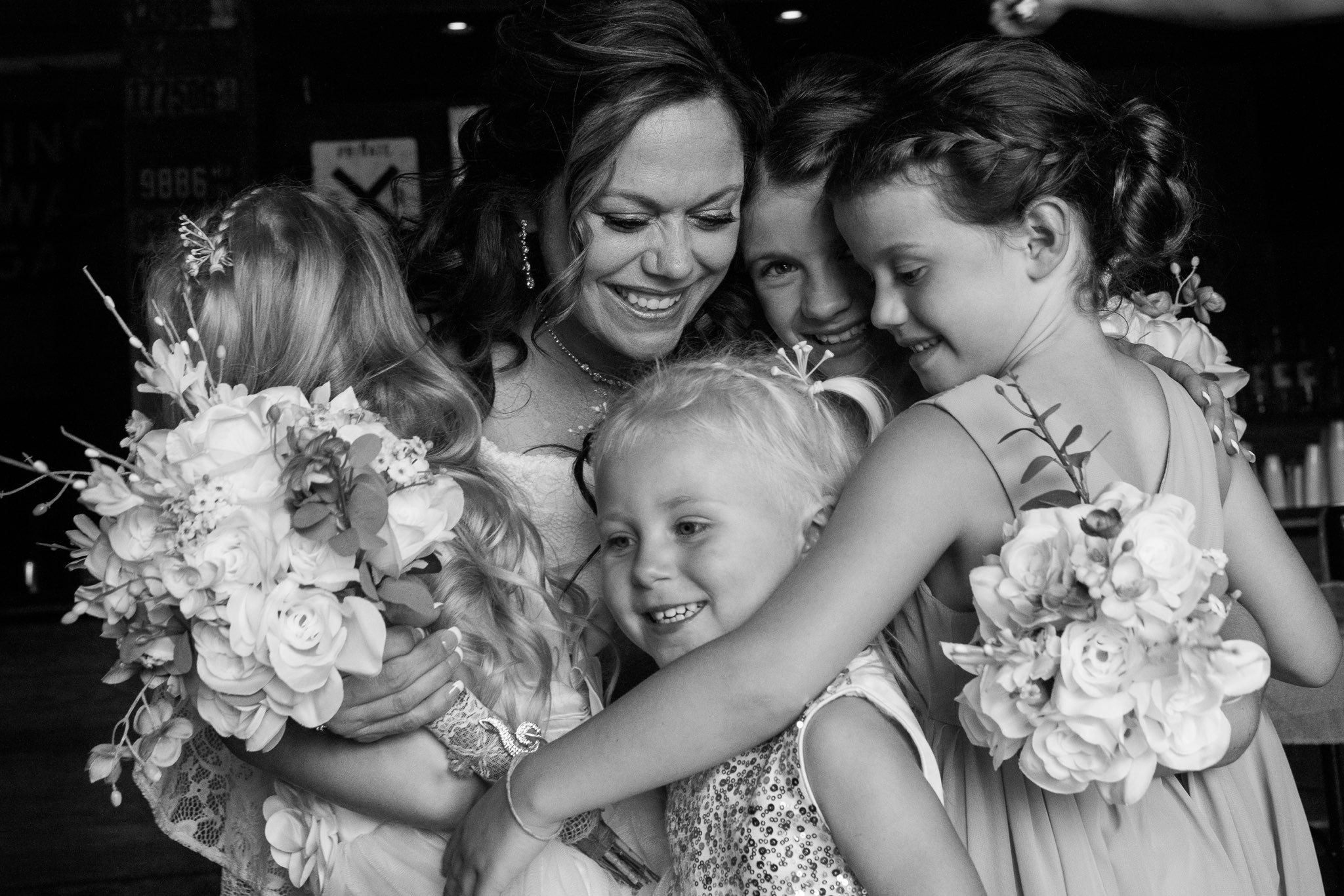
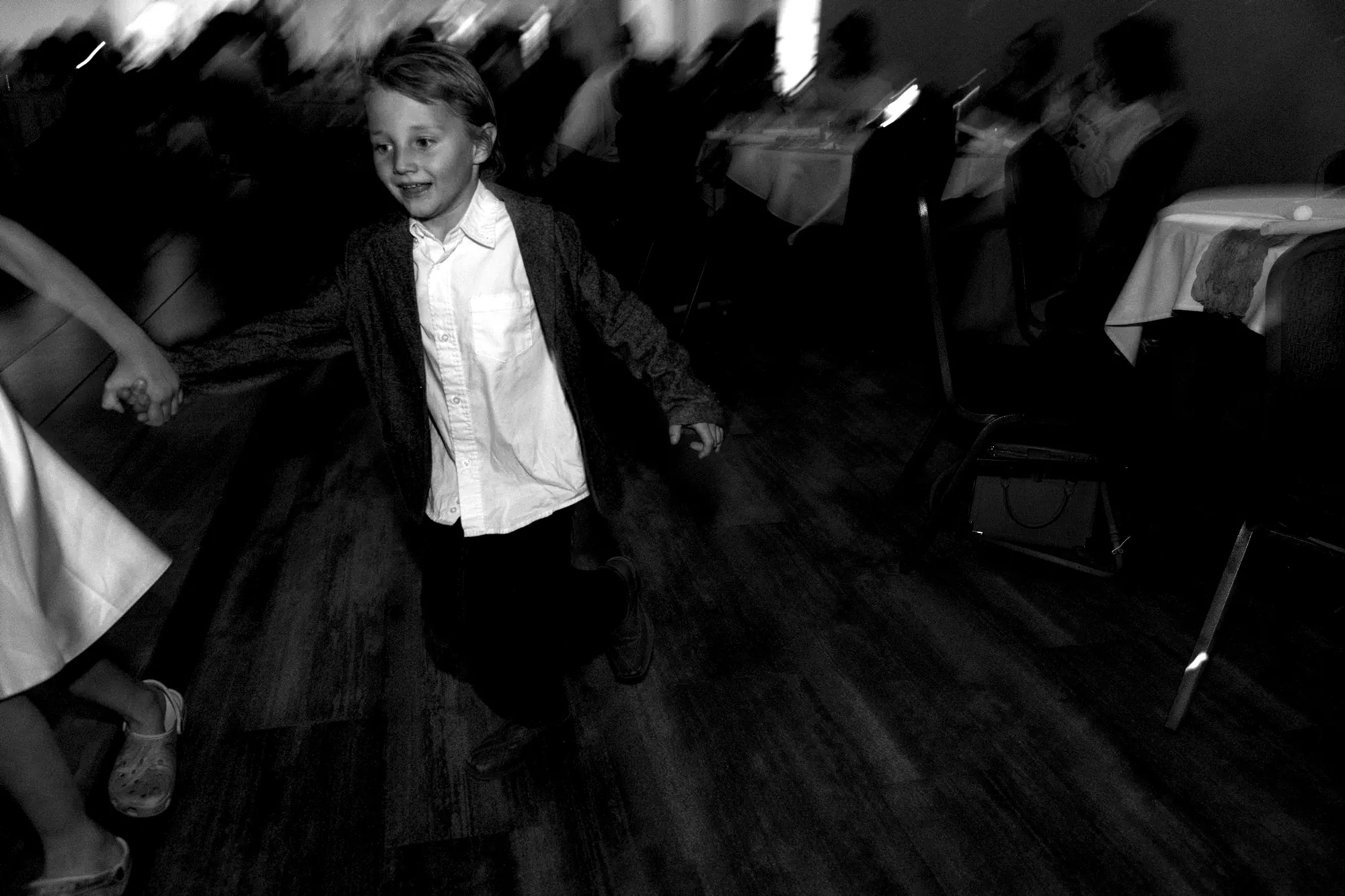
After three decades behind the lens, I have learned that darkness itself is a compositional element. Darkness is not absence — it is emotional negative space.
Like many photographers, I was pushed into digital photography because it is what the public expects: clean, technically perfect, razor-sharp images. I have chosen a different direction. Shooting film allows contrast, grain, texture, and tonality to exist naturally rather than being simulated afterward.
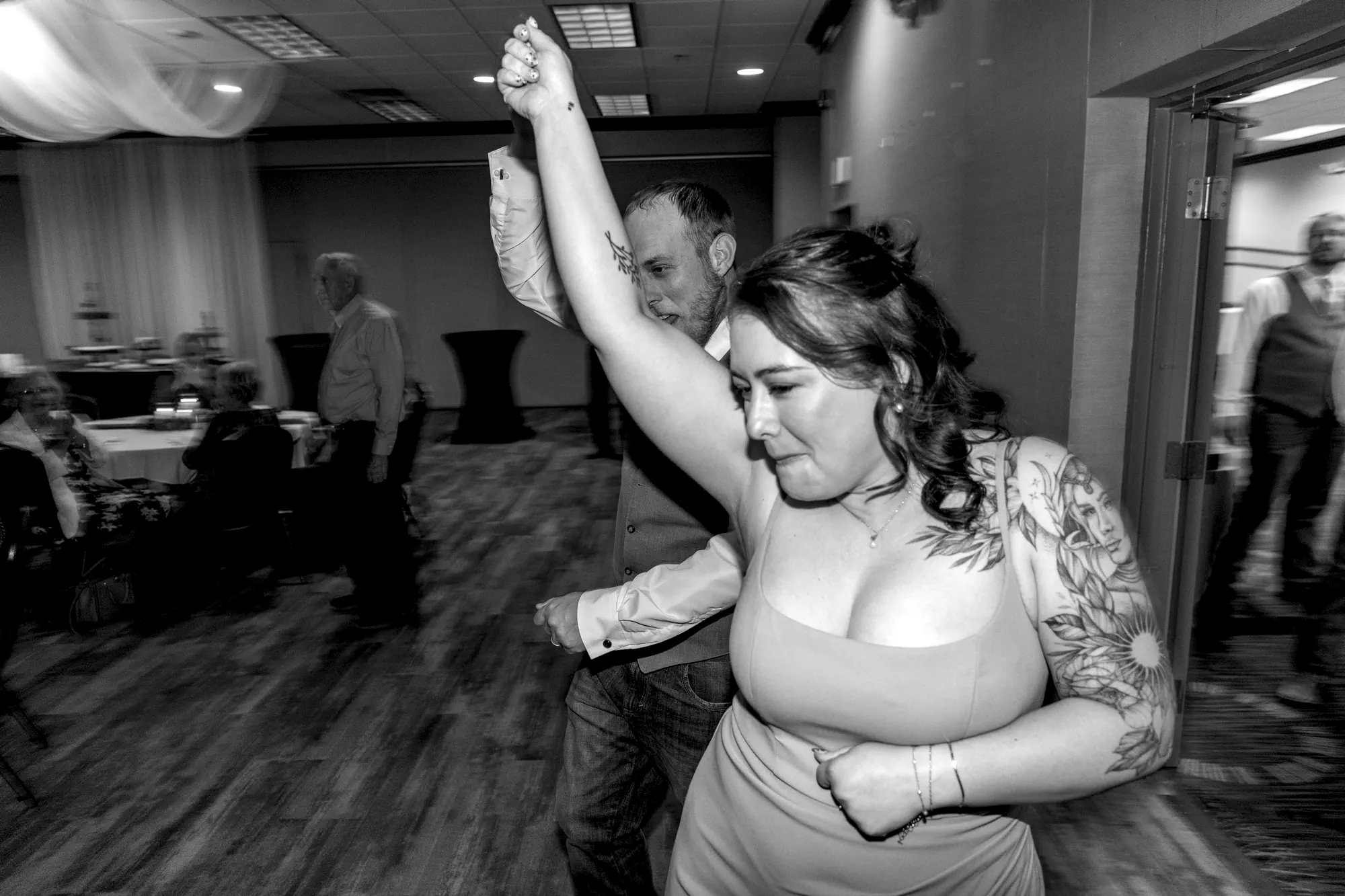
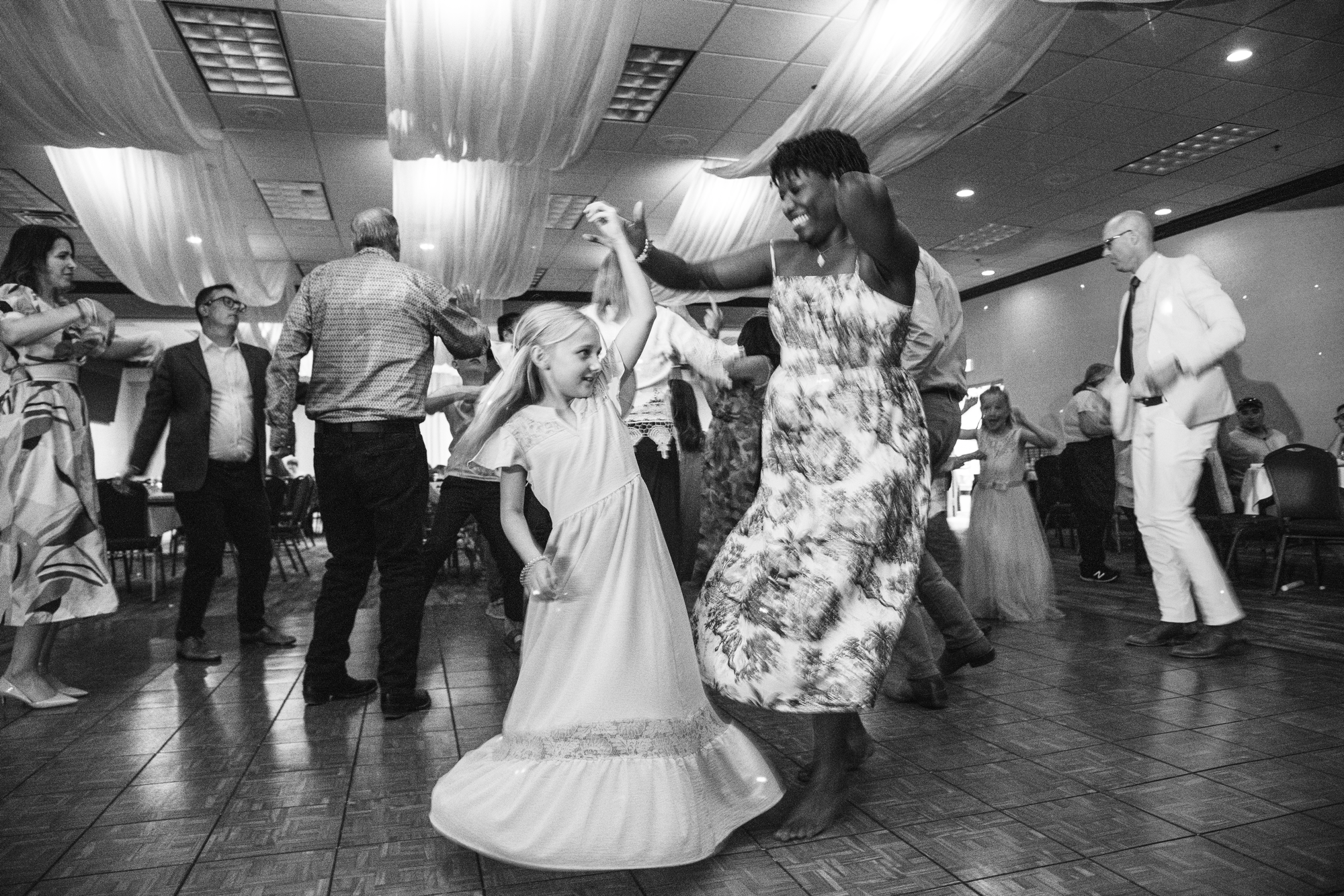
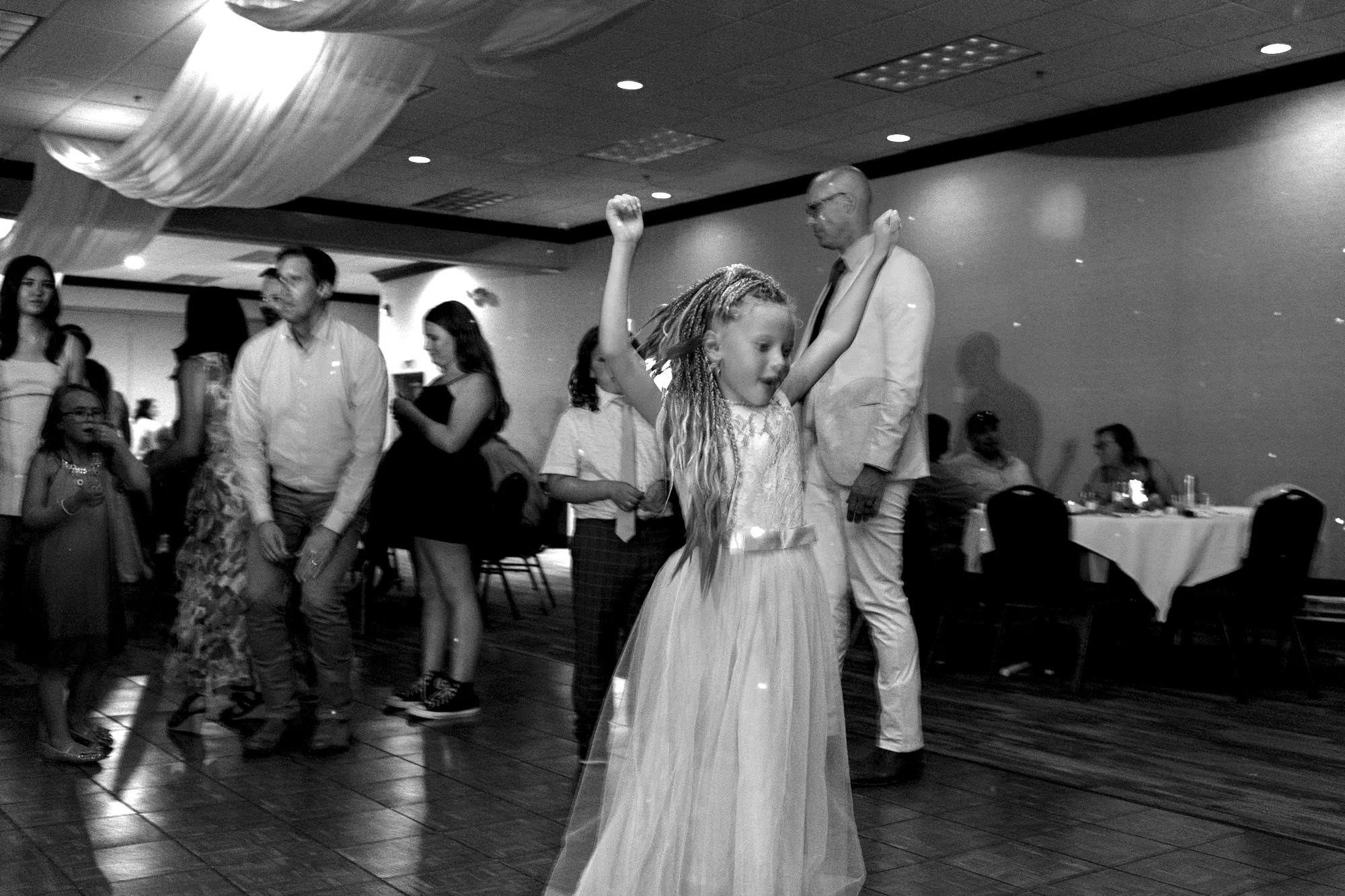
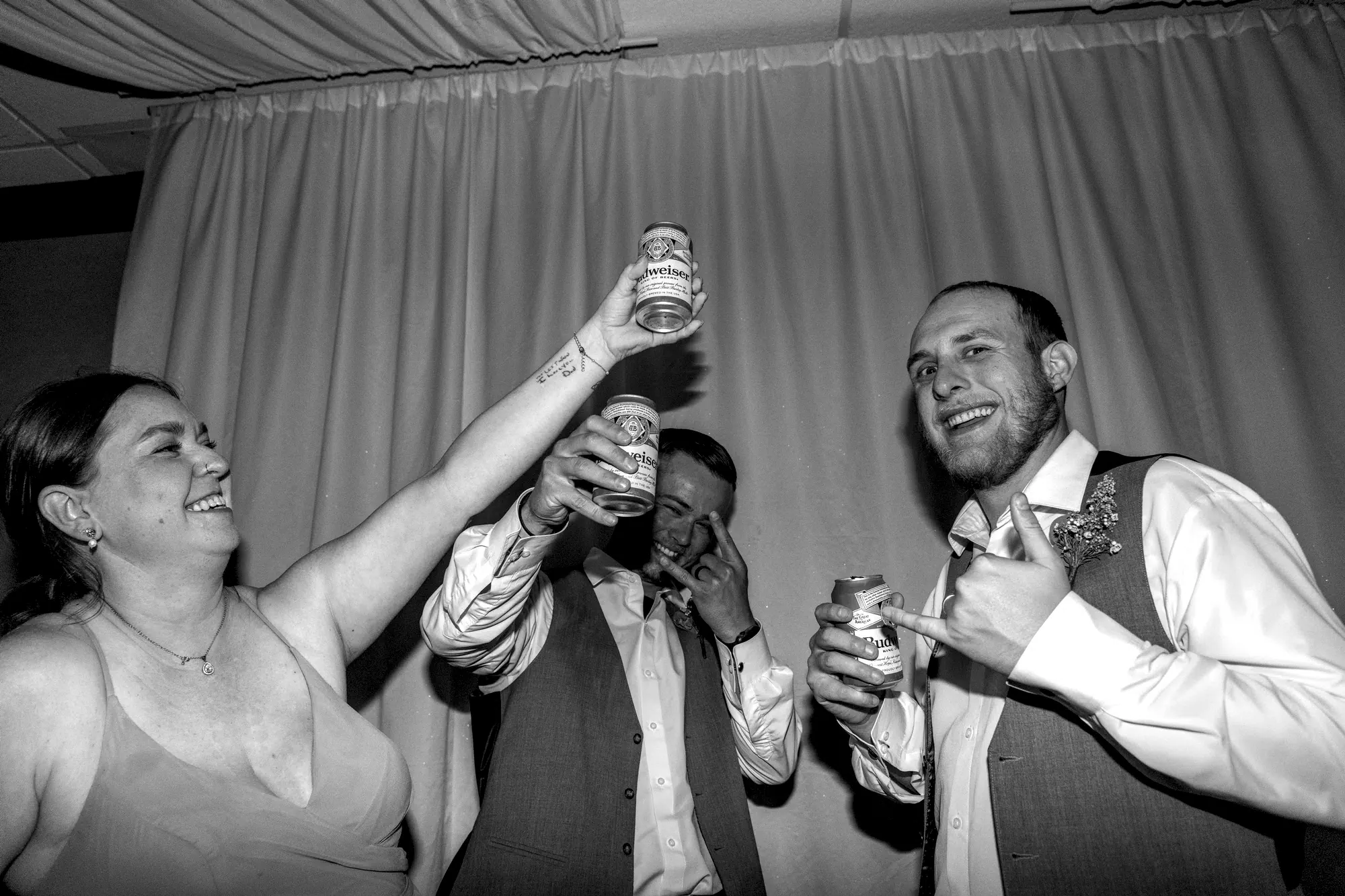
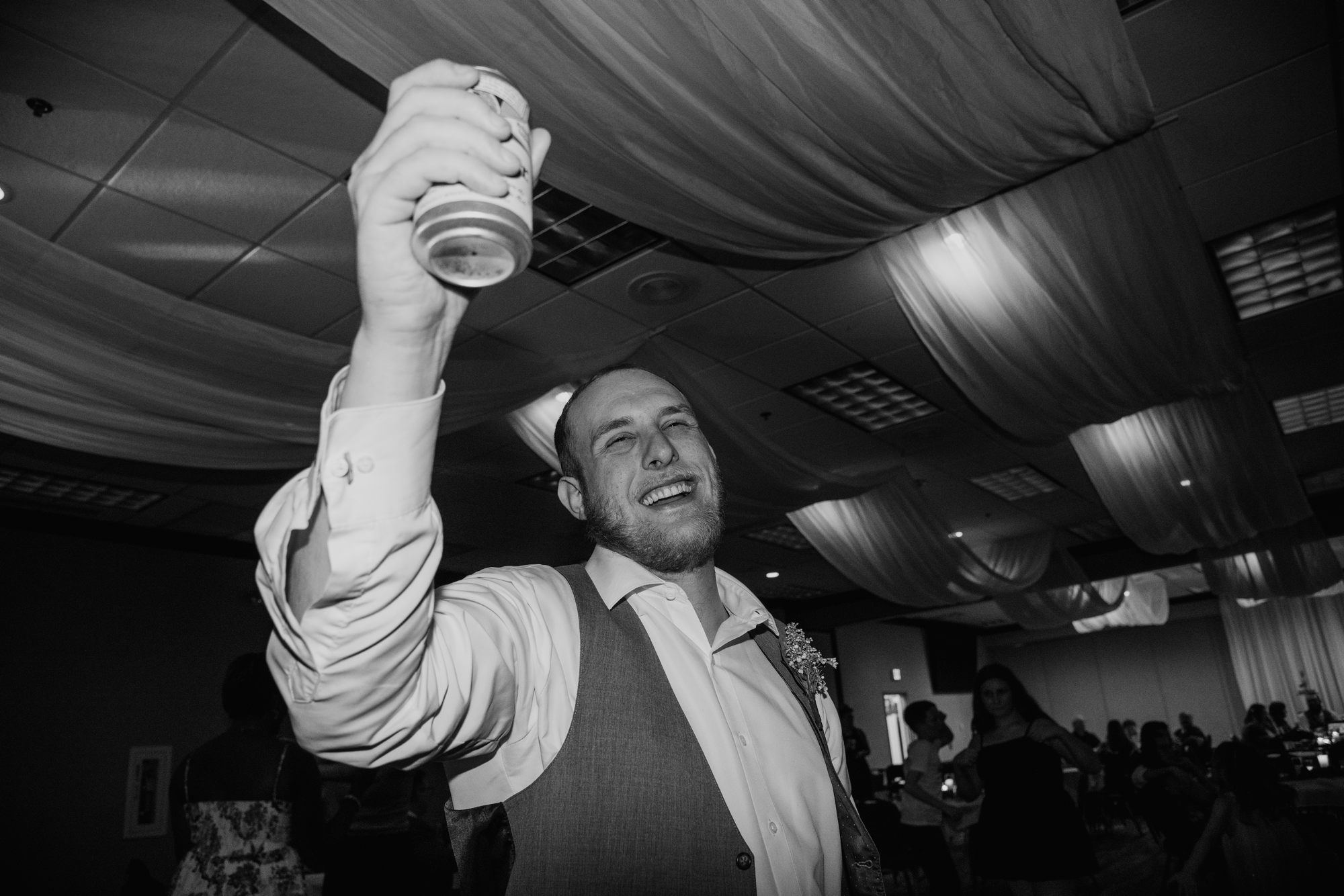
It took time, but I eventually understood the lighting I am drawn to. Many people would describe it as harsh, bold, and unforgiving — and that is precisely why I value it. The Italians have a word for it: chiaroscuro (kee-ah-roh-SKYOOR-oh), meaning simply “light and dark.”
Helmut Newton, one of my strongest influences, used this approach in his work for Vogue long before it became a studied style. Through chiaroscuro lighting he explored power, especially the presence and authority of women, using fashion photography as his medium. But Newton was not the first. Each generation eventually rediscovers that humans trust shadow more than perfection. Our visual instincts were formed by firelight, not softboxes.
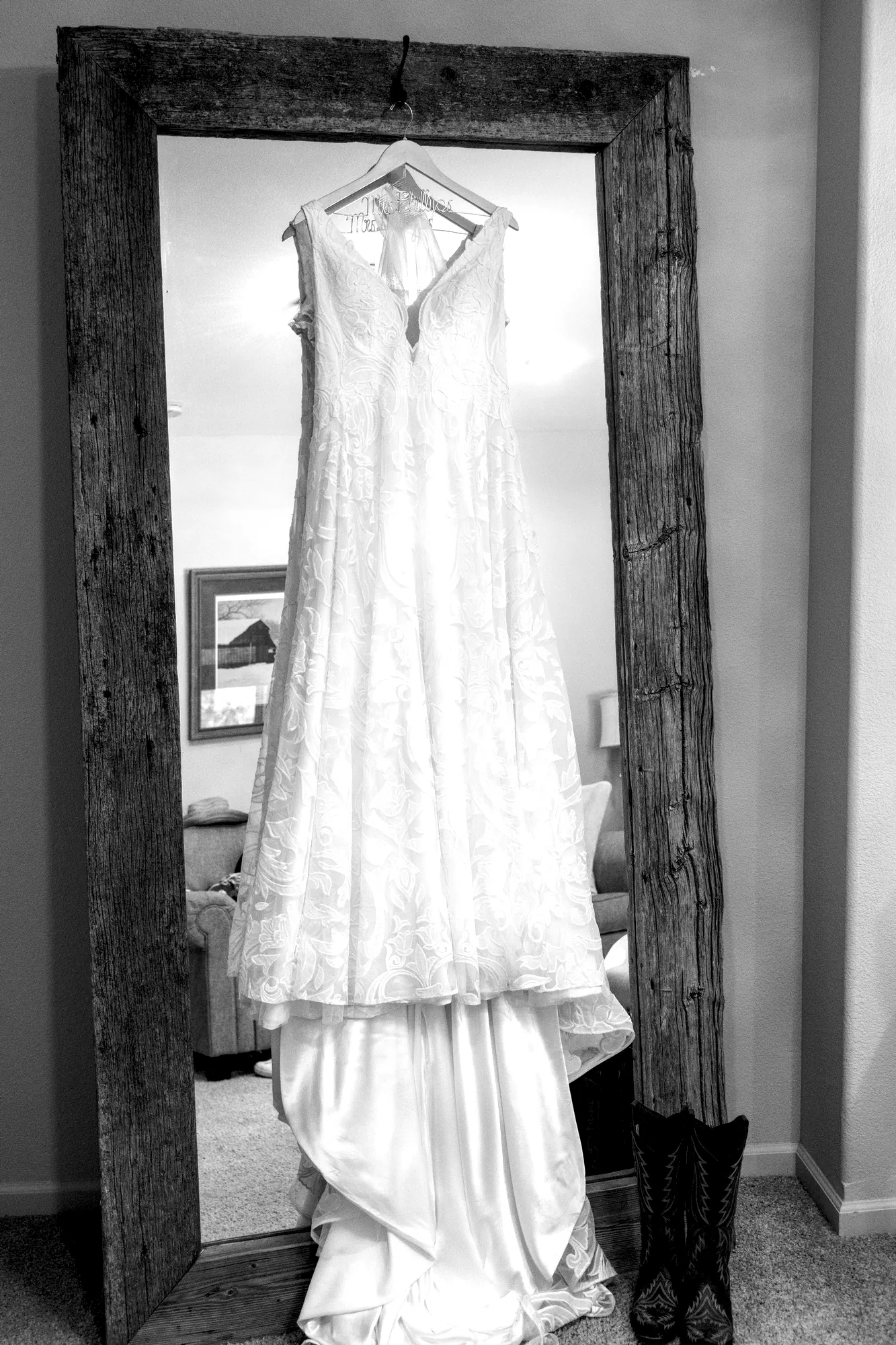
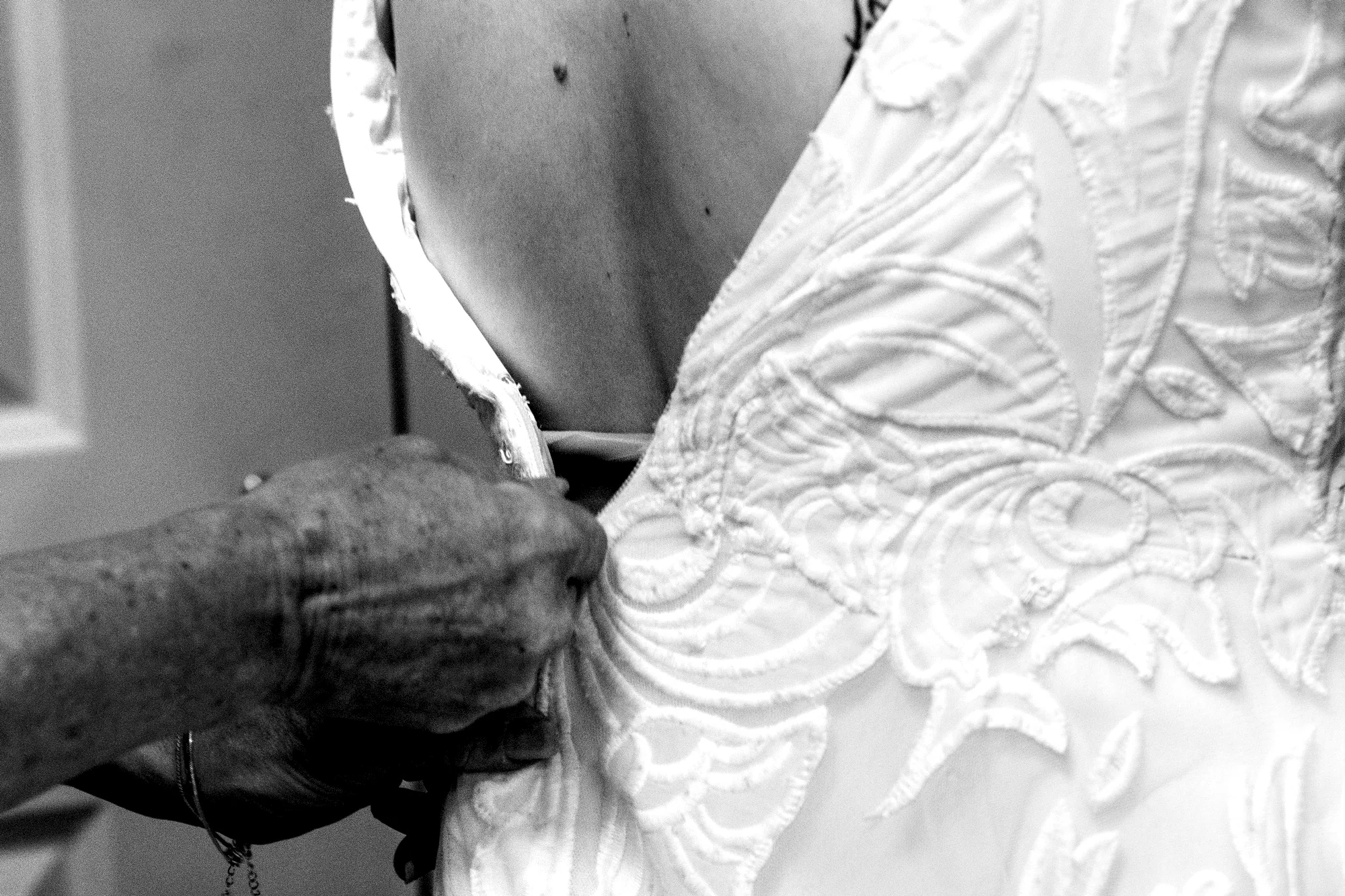
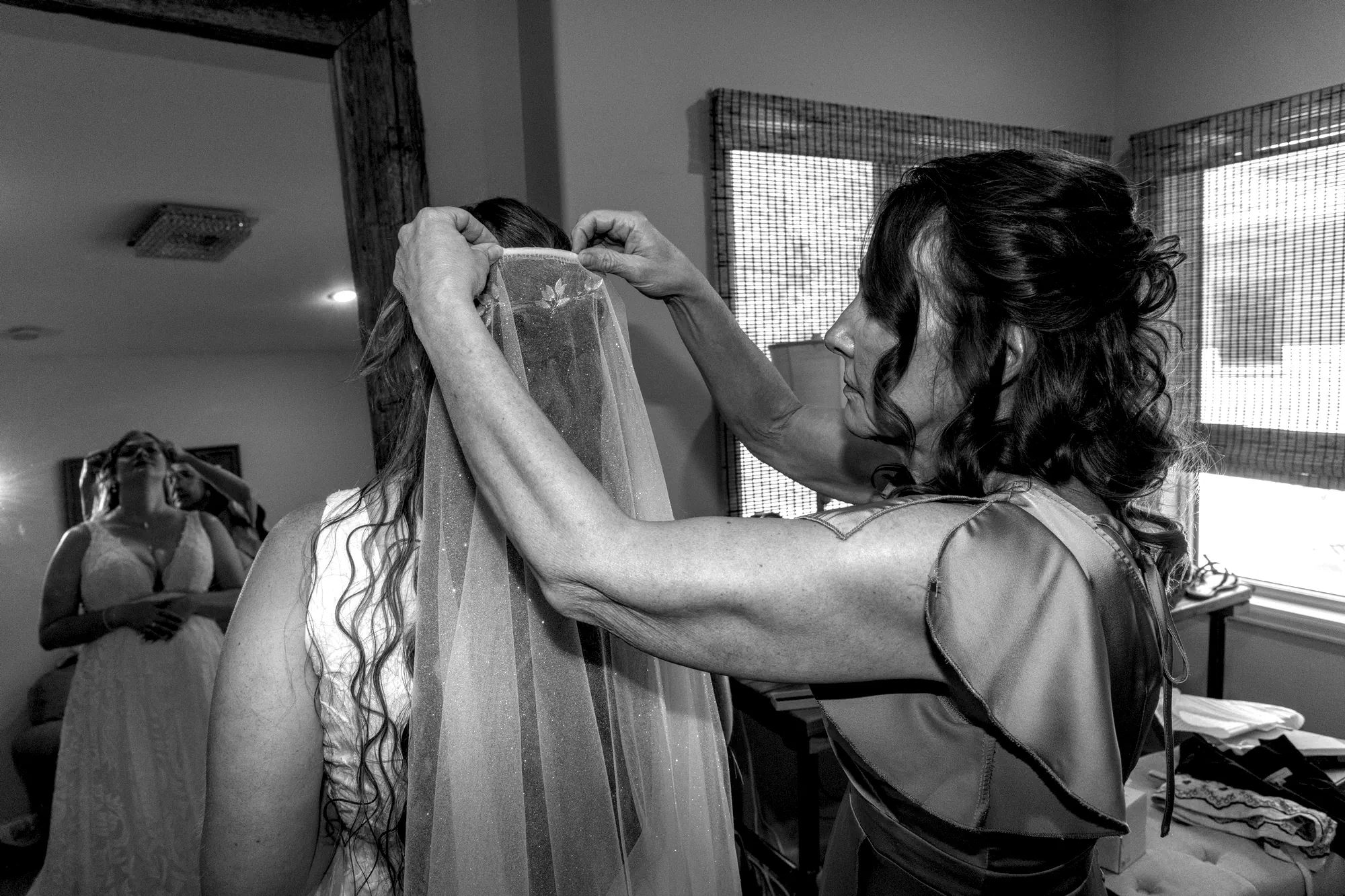
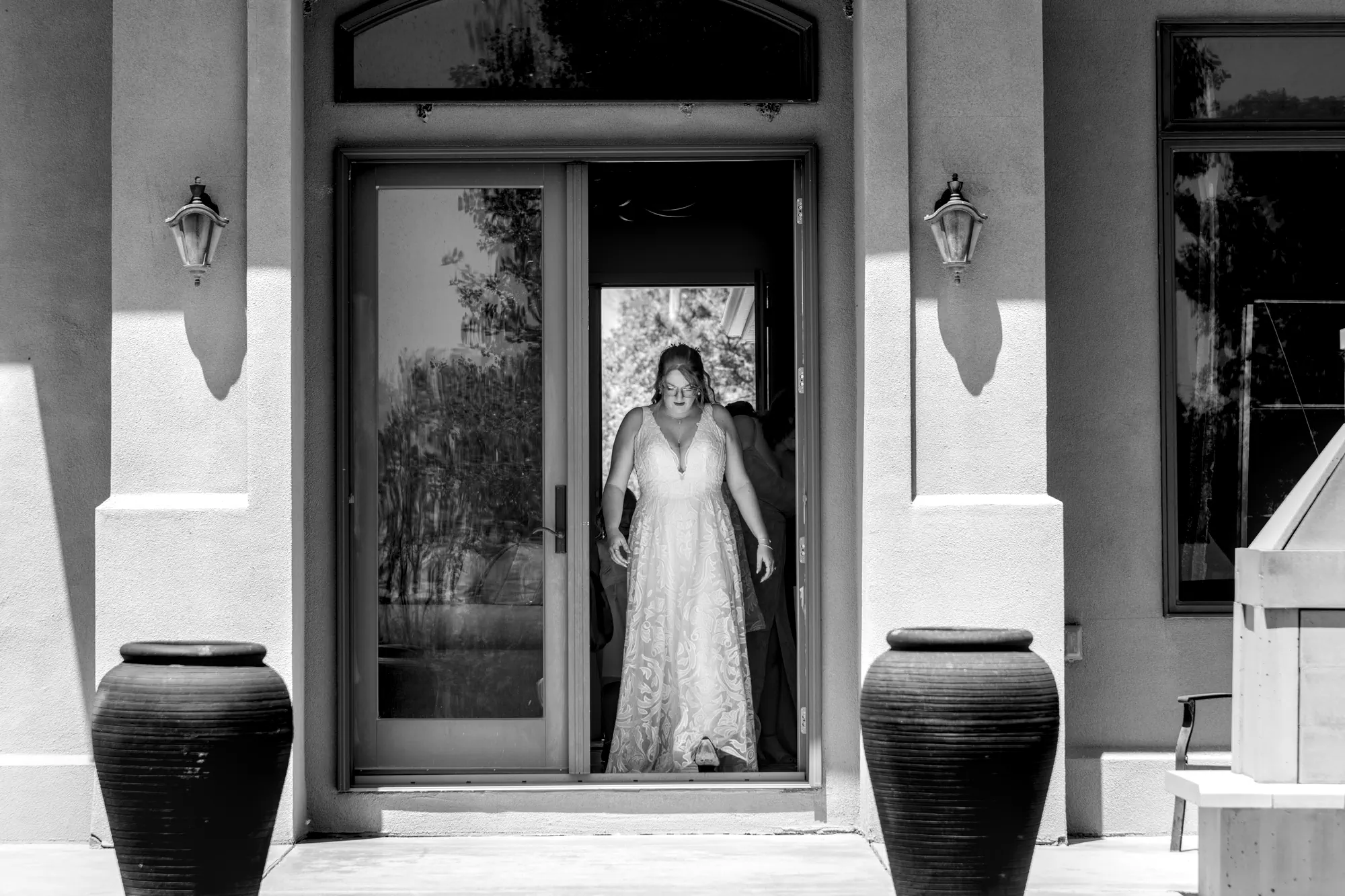
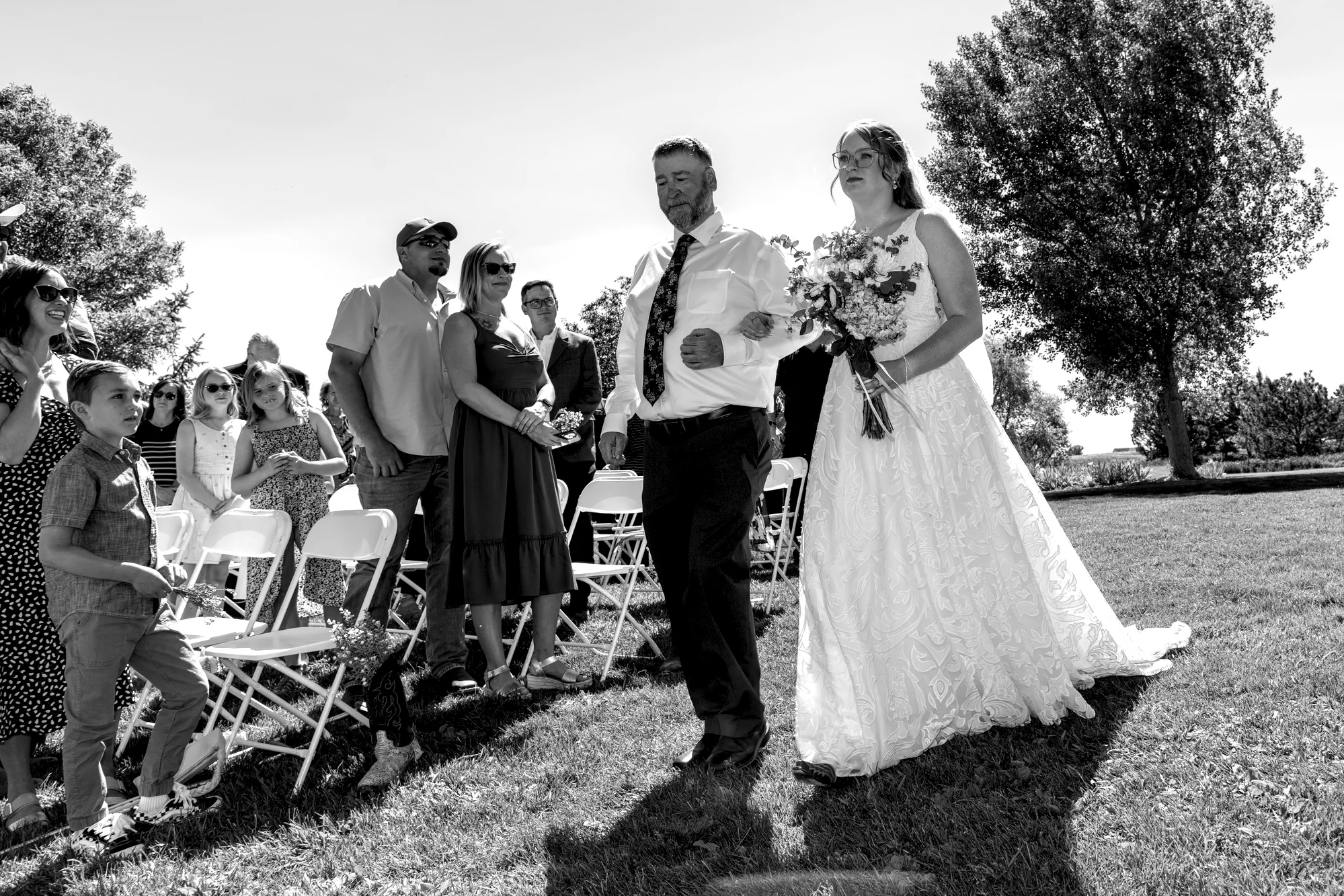
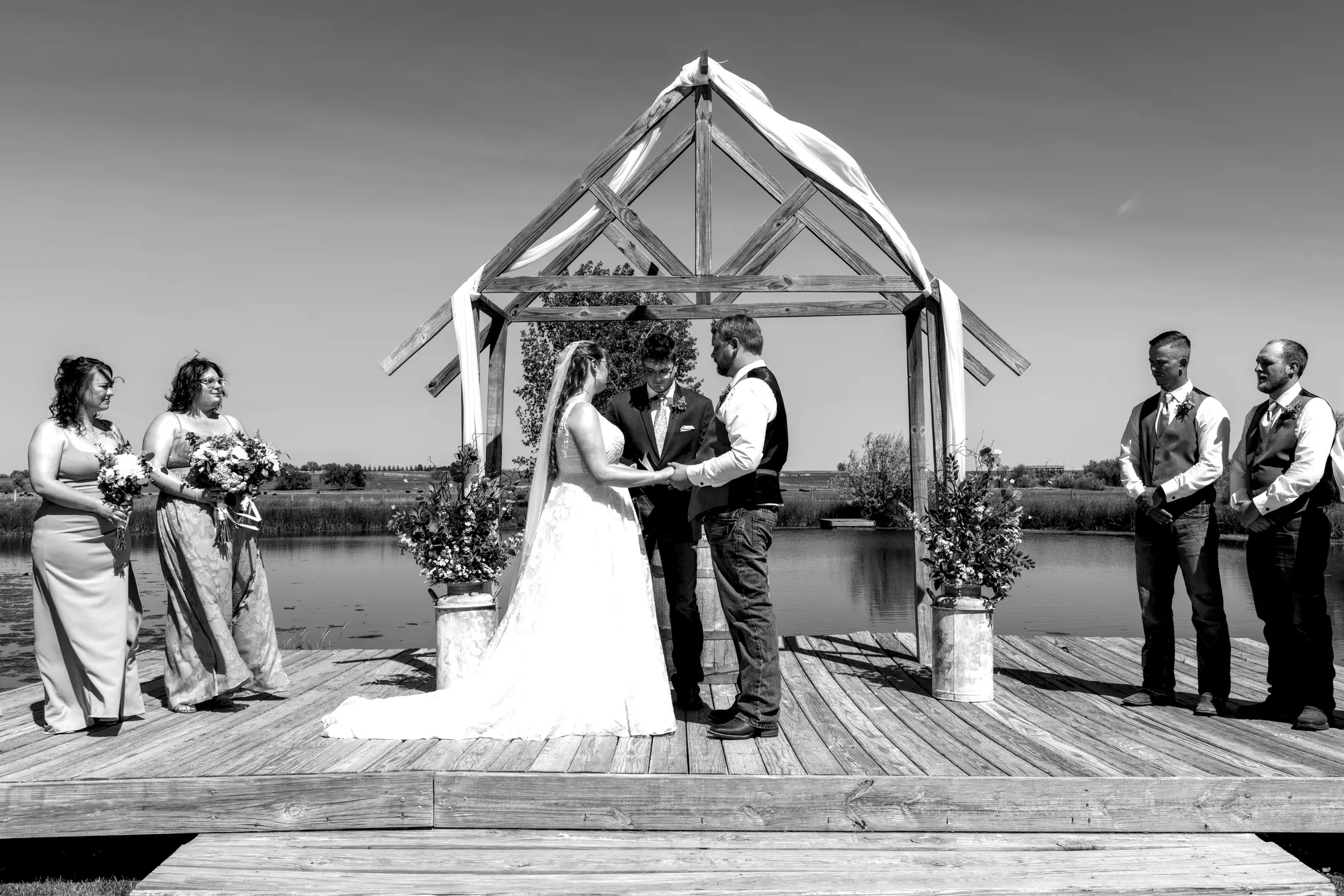
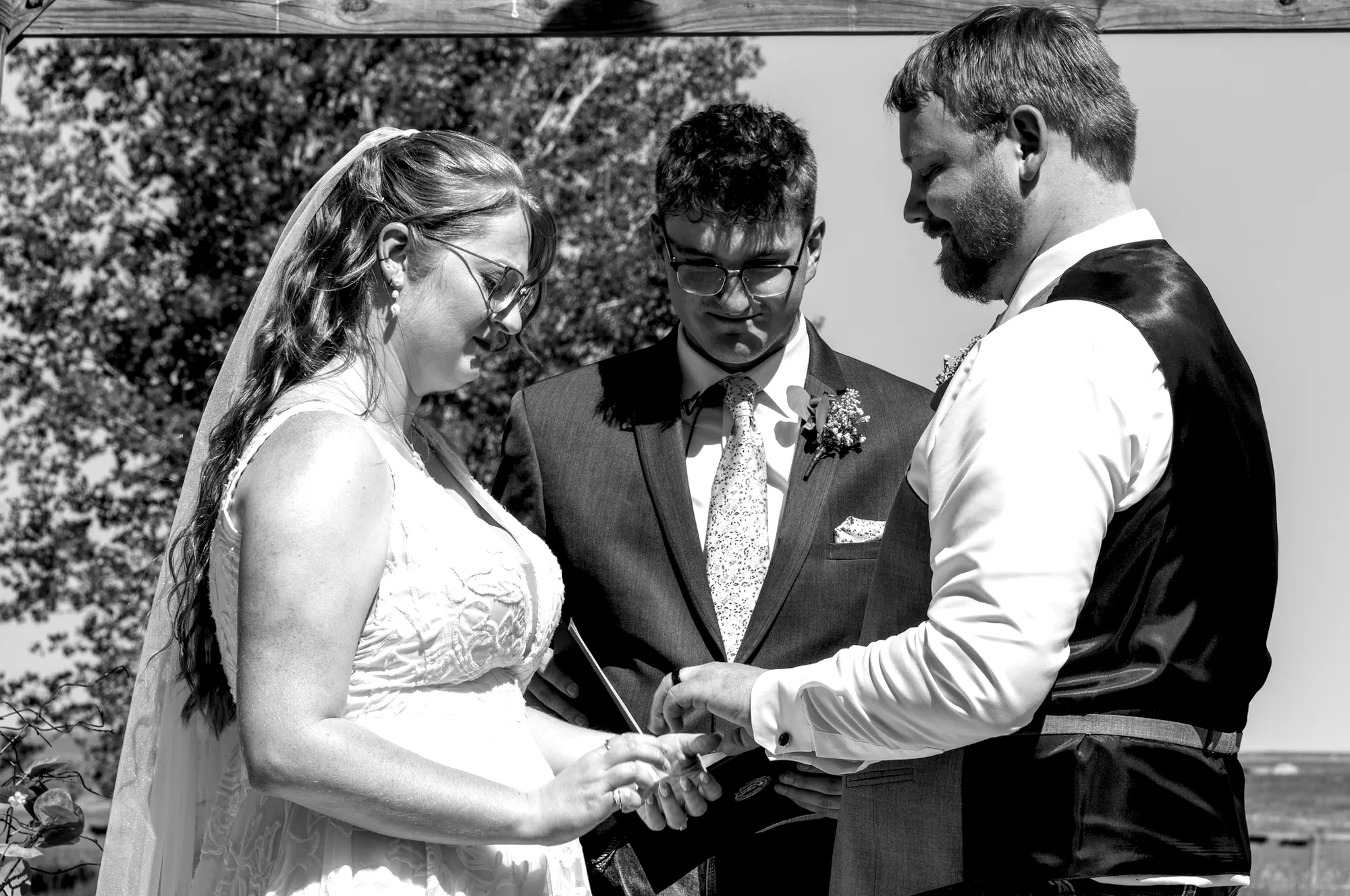
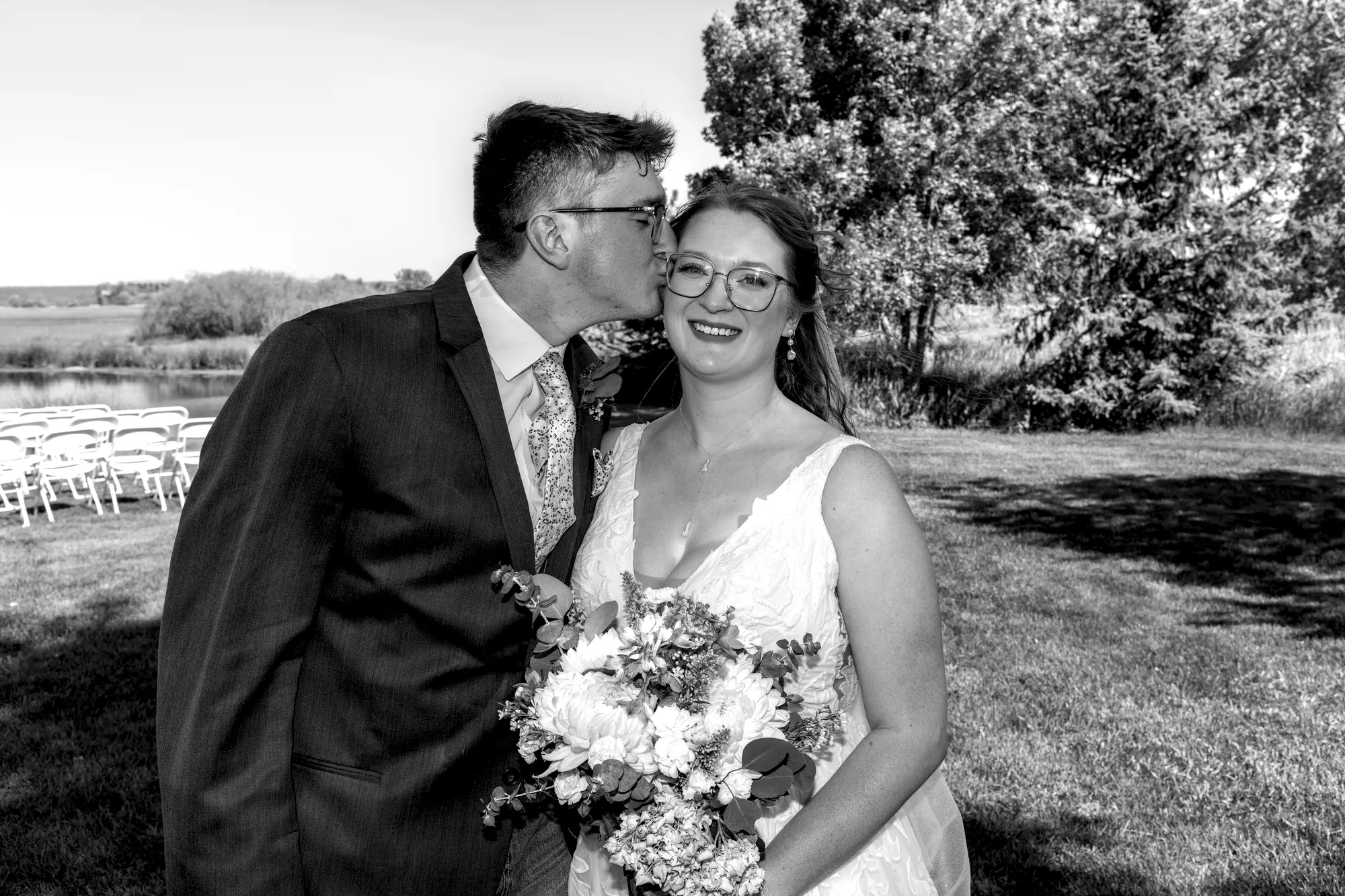
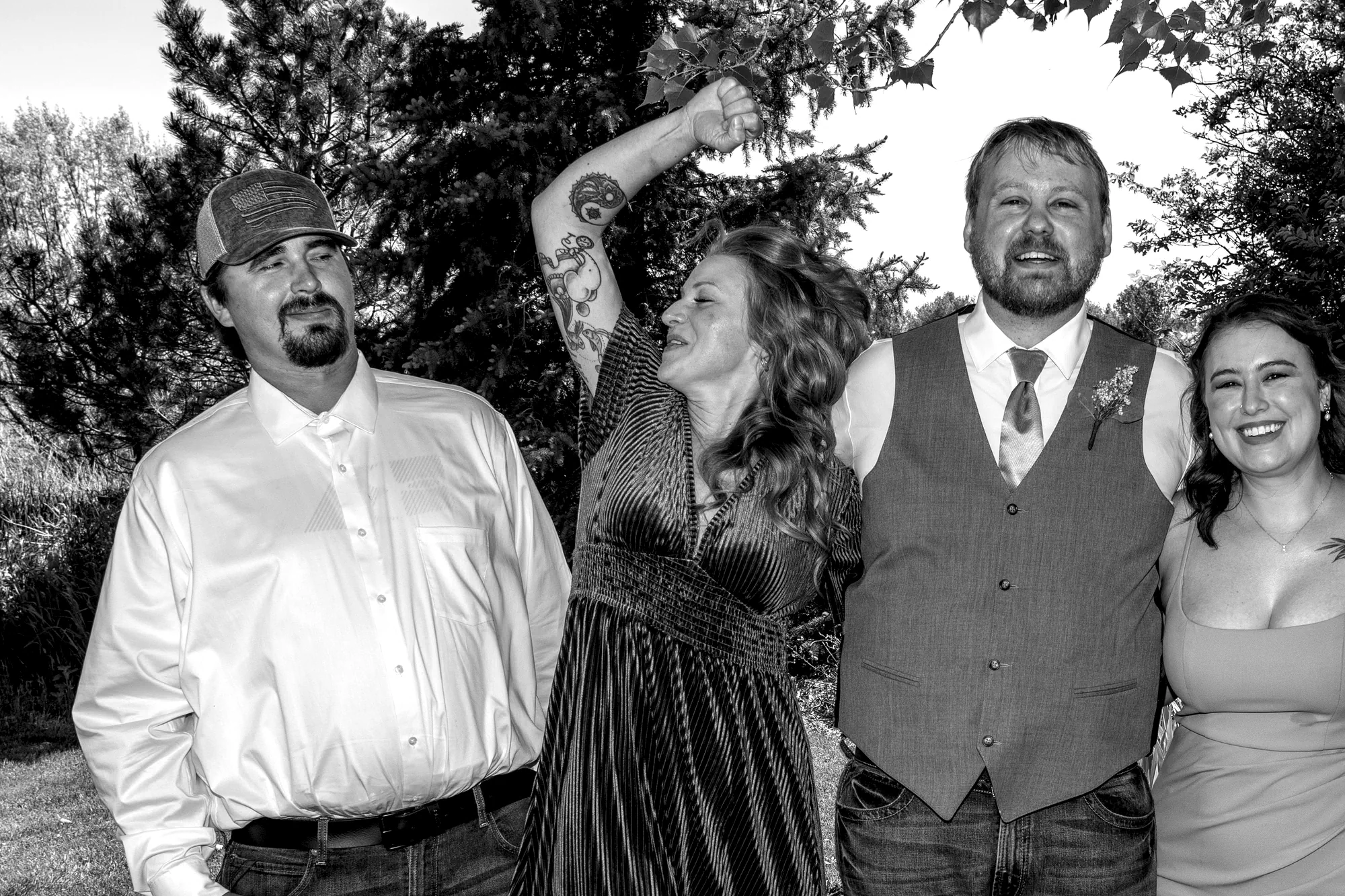
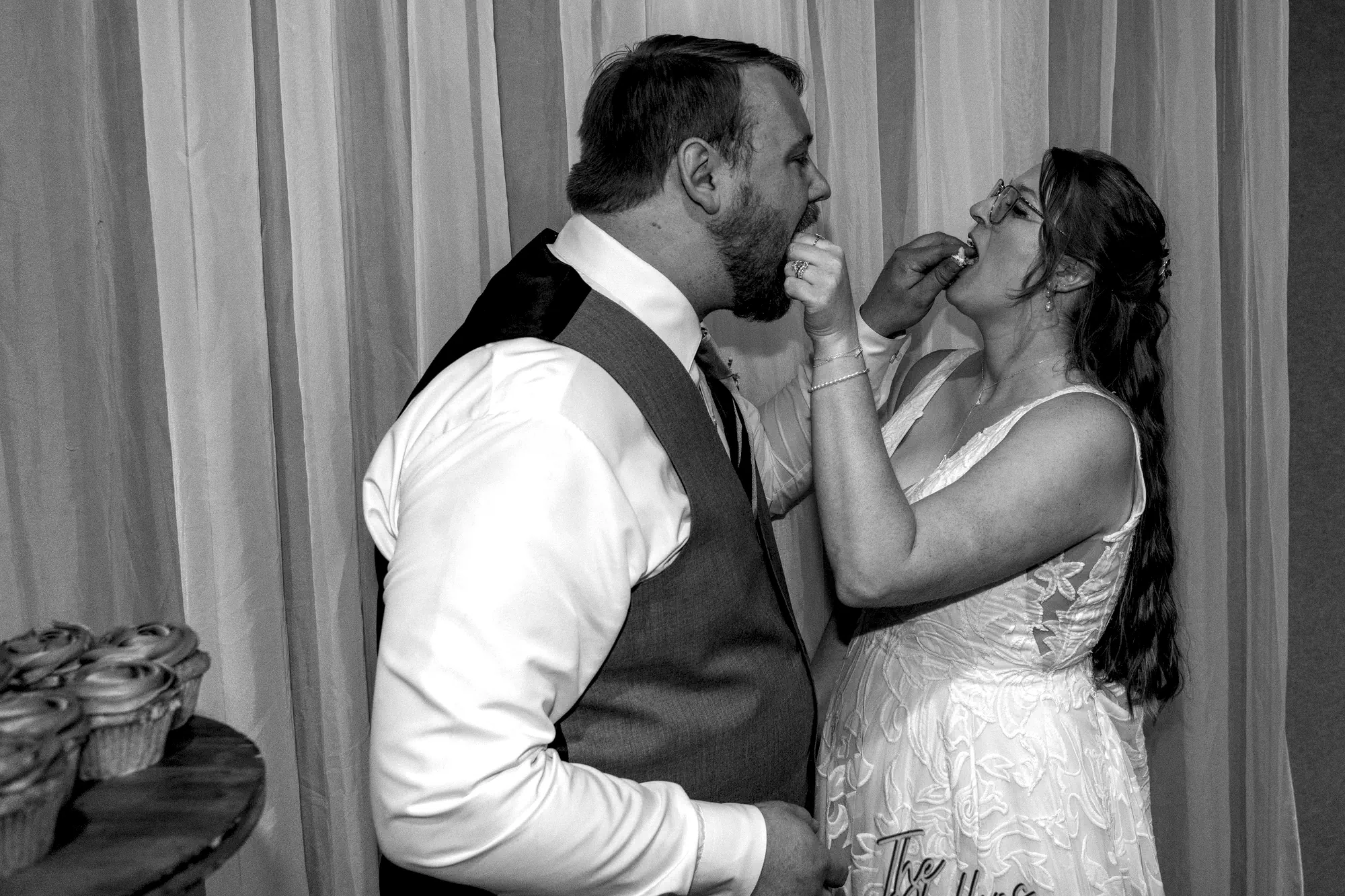
Zack & Abby
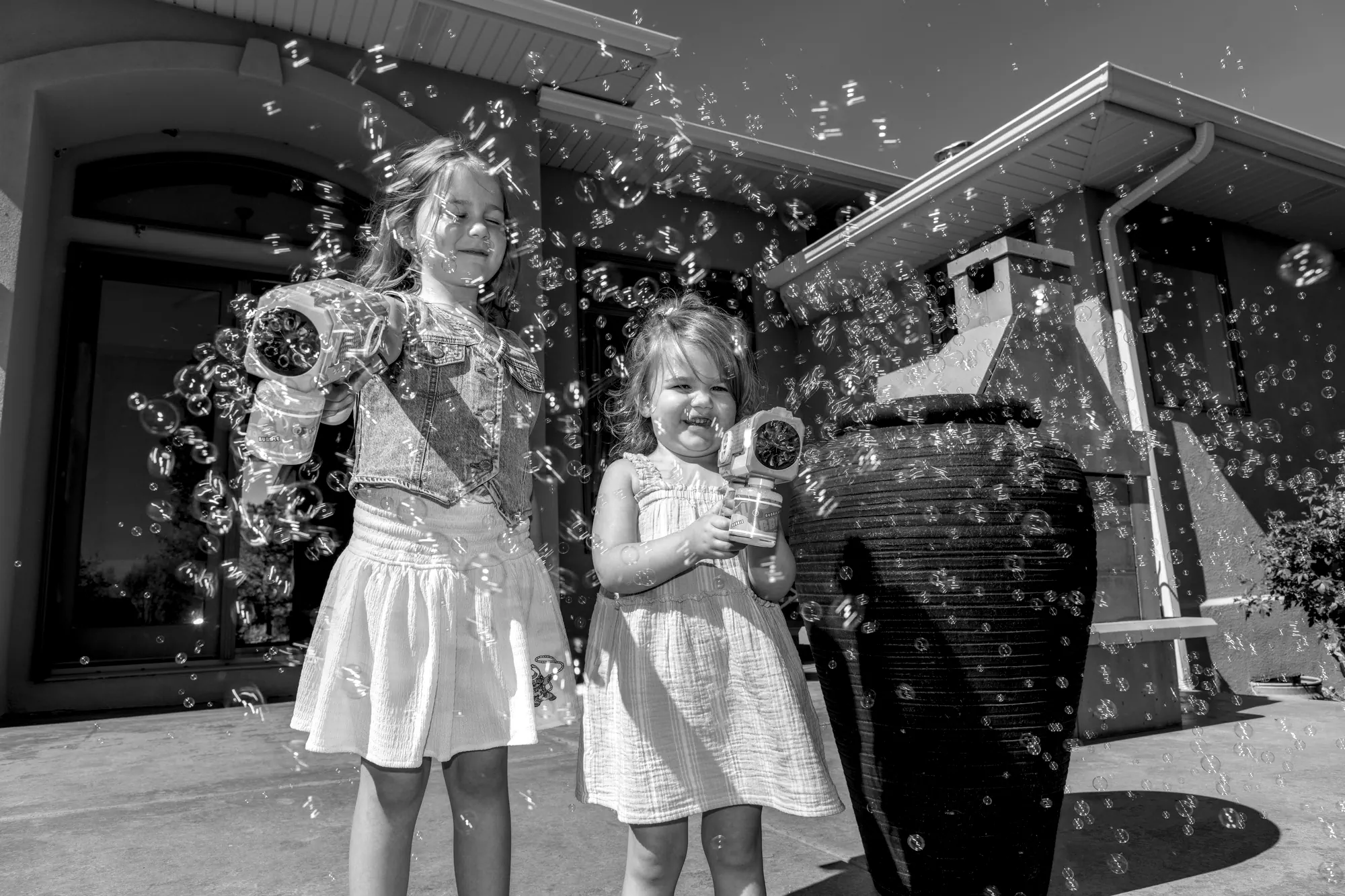
Most fashion photography tries to make a subject pleasing. Documentary photographers often do the same. Newton did the opposite — he made the subject dominant. Deep blacks, sharp highlights, simple backgrounds, and hard light: direct flash, harsh sun, or a single uncompromising strobe.
When shadows fall to pure black, viewers stop analyzing detail and begin reading psychology. That is why these images feel confrontational even when nothing dramatic is happening. Anyone who knows me would probably say confrontation is part of my character, so it is no surprise I am drawn to this style of photography.
My website is filled with images I consider boring. They are technically correct, carefully composed using the rule of thirds or the golden ratio, yet they lack emotion and purpose. They document existence rather than experience.
On February 20, 2026, I decided to change direction — to photograph only what I want to photograph, how I want to photograph it, and to enjoy the process. It is, in many ways, a return to myself, filling a creative space that has been empty for years.
This website is currently undergoing a transition. You may notice some of the same images appearing on different pages as I re-edit, organize, and separate photographs for public presentation.
In the meantime, to understand the style of work I am pursuing, I encourage you to view my photo essays, particularly The Caregivers — the project that placed me back on this path and renewed my connection to my art.
What I have written here reads less like a portfolio statement and more like a manifesto, and that is not a criticism of myself. It is a natural progression. My earlier work still matters and complements where I stand now. In my early years I learned exposure, lighting, and composition. My middle years were spent proving competence. Then came the uncomfortable realization: technical success and artistic satisfaction are not the same currency.
A camera can perfectly record a scene and still fail to record an experience. The moment I began chasing experience instead of correctness, my photographs stopped trying to be impressive and started trying to be honest — and honesty is far harder to create than sharpness.