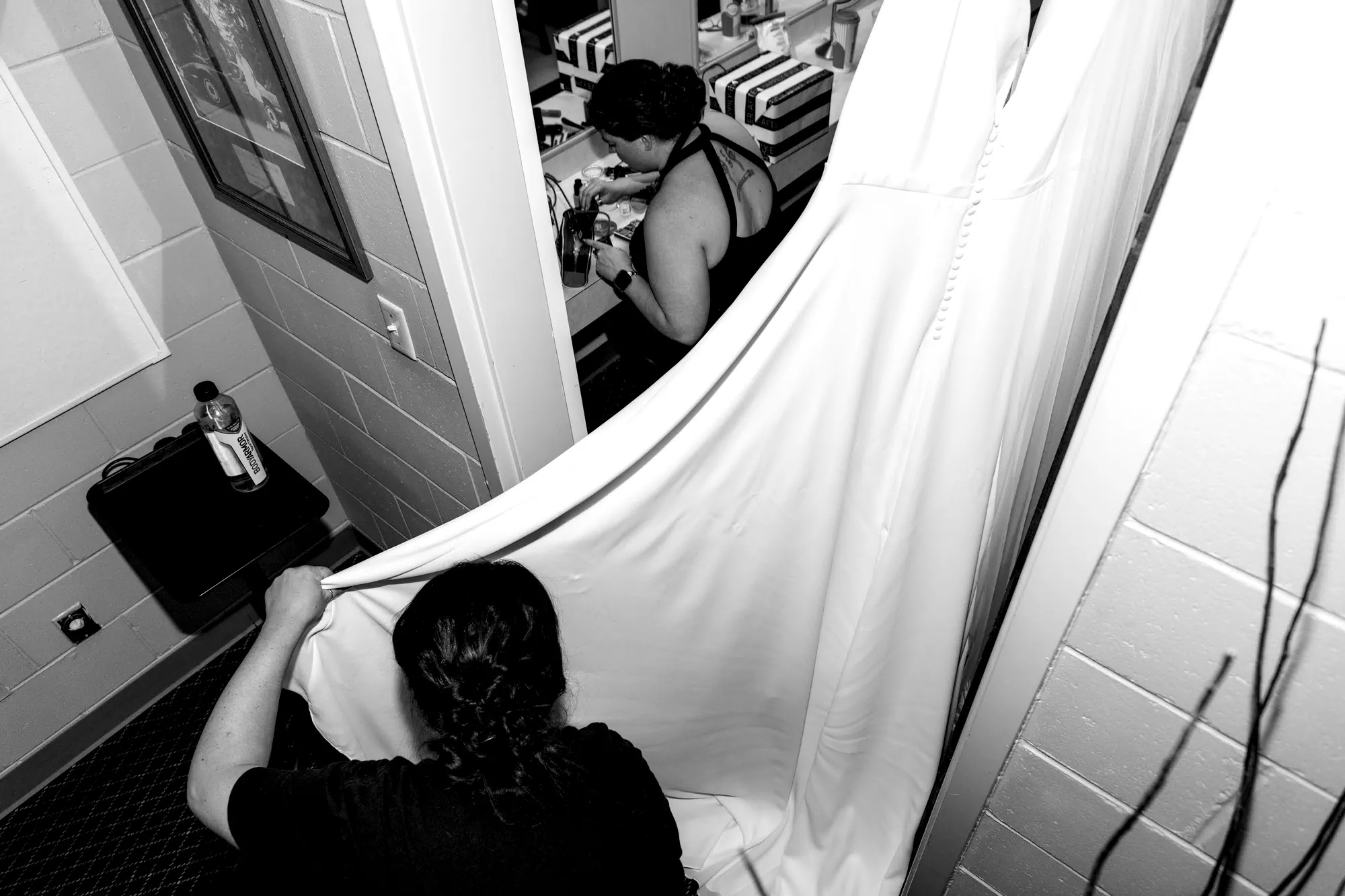
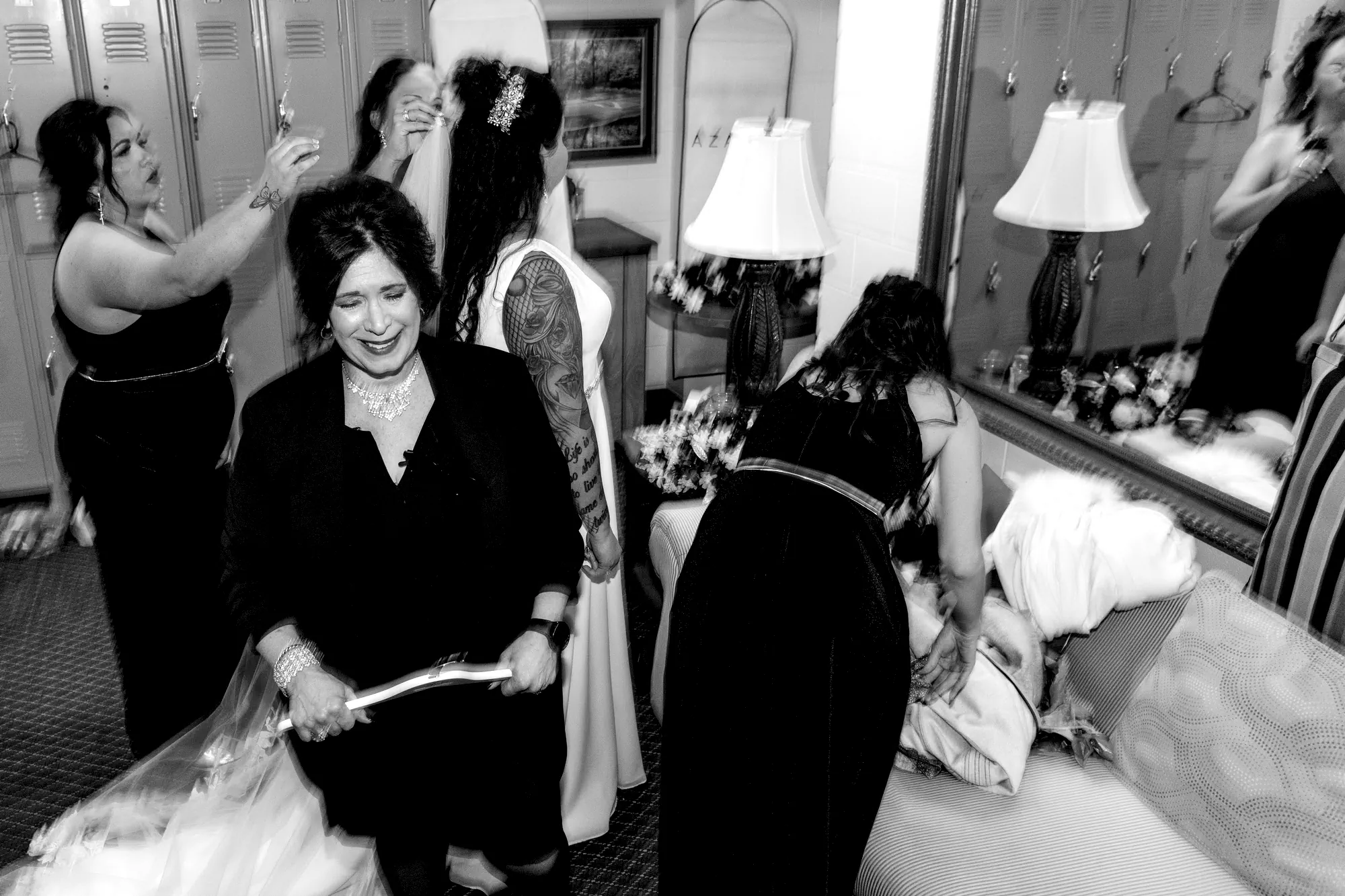
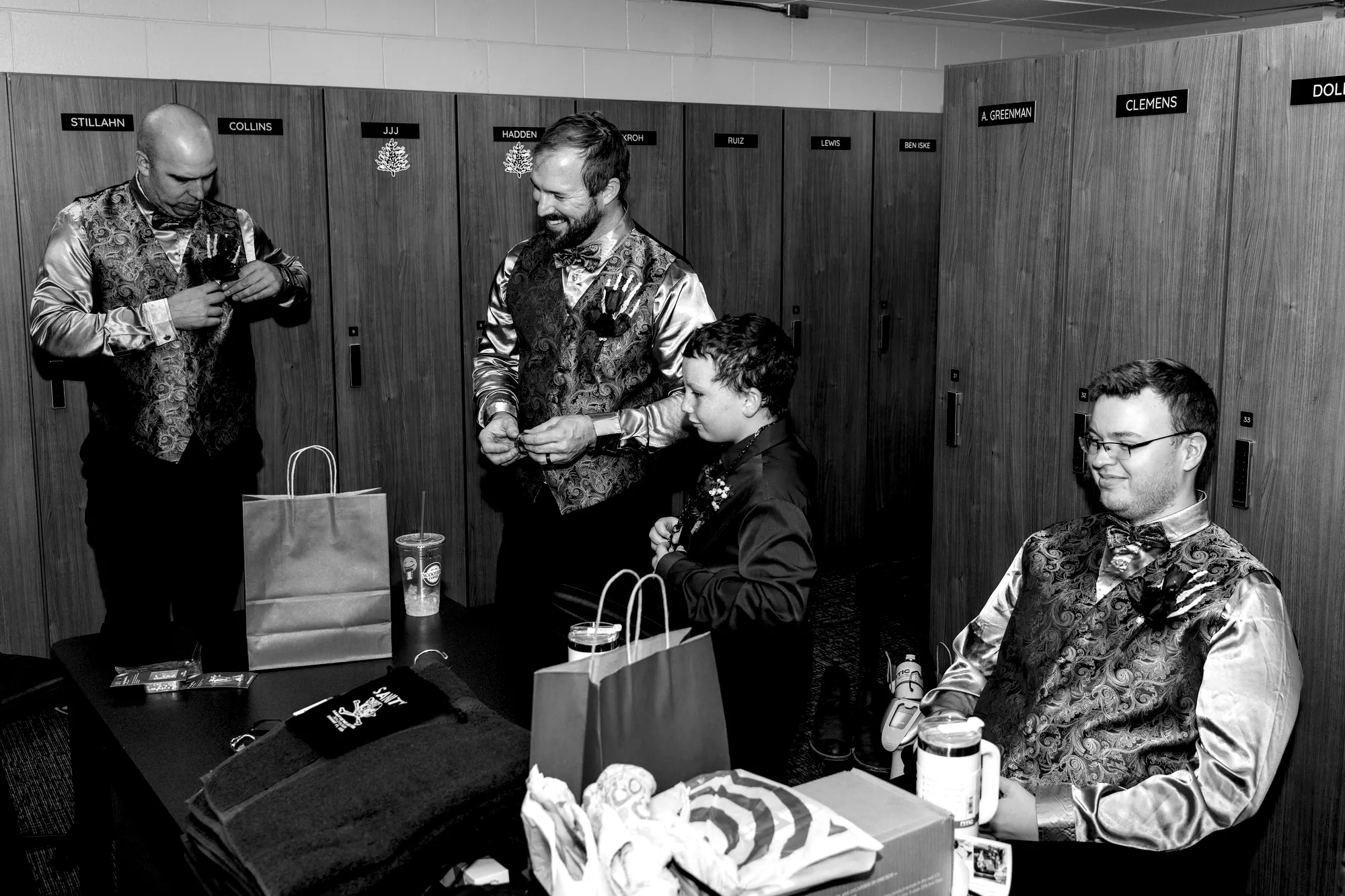
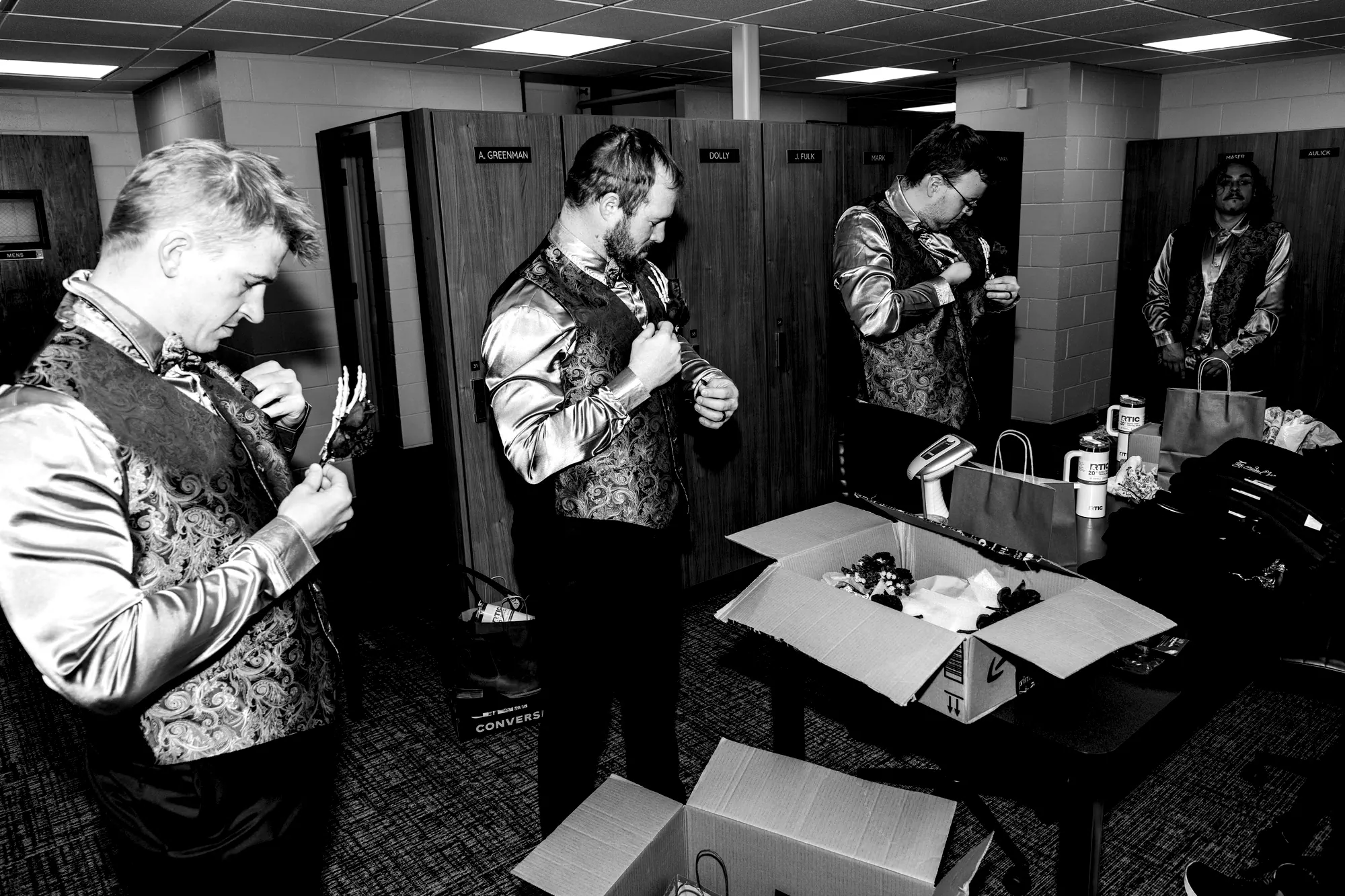
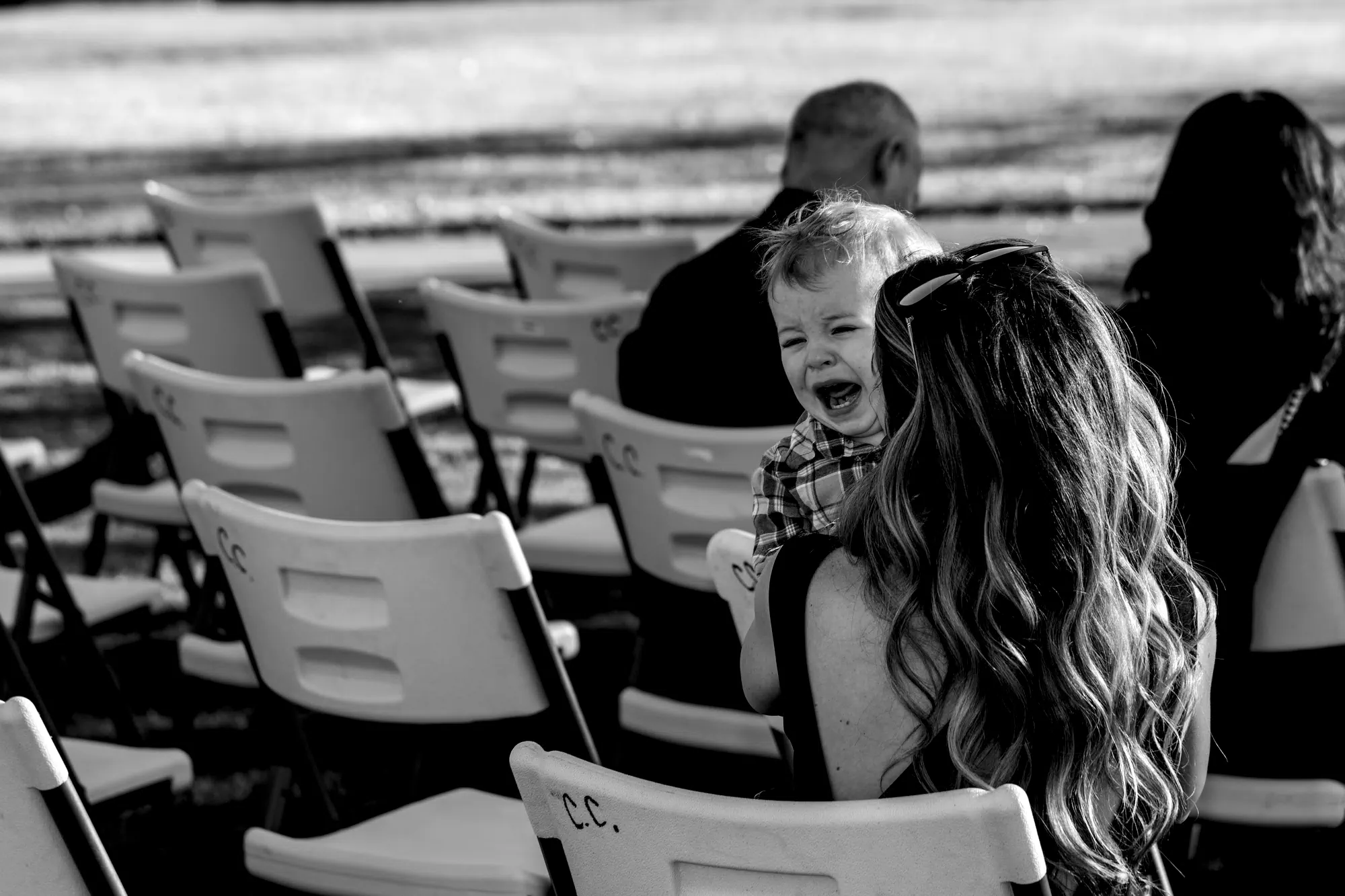
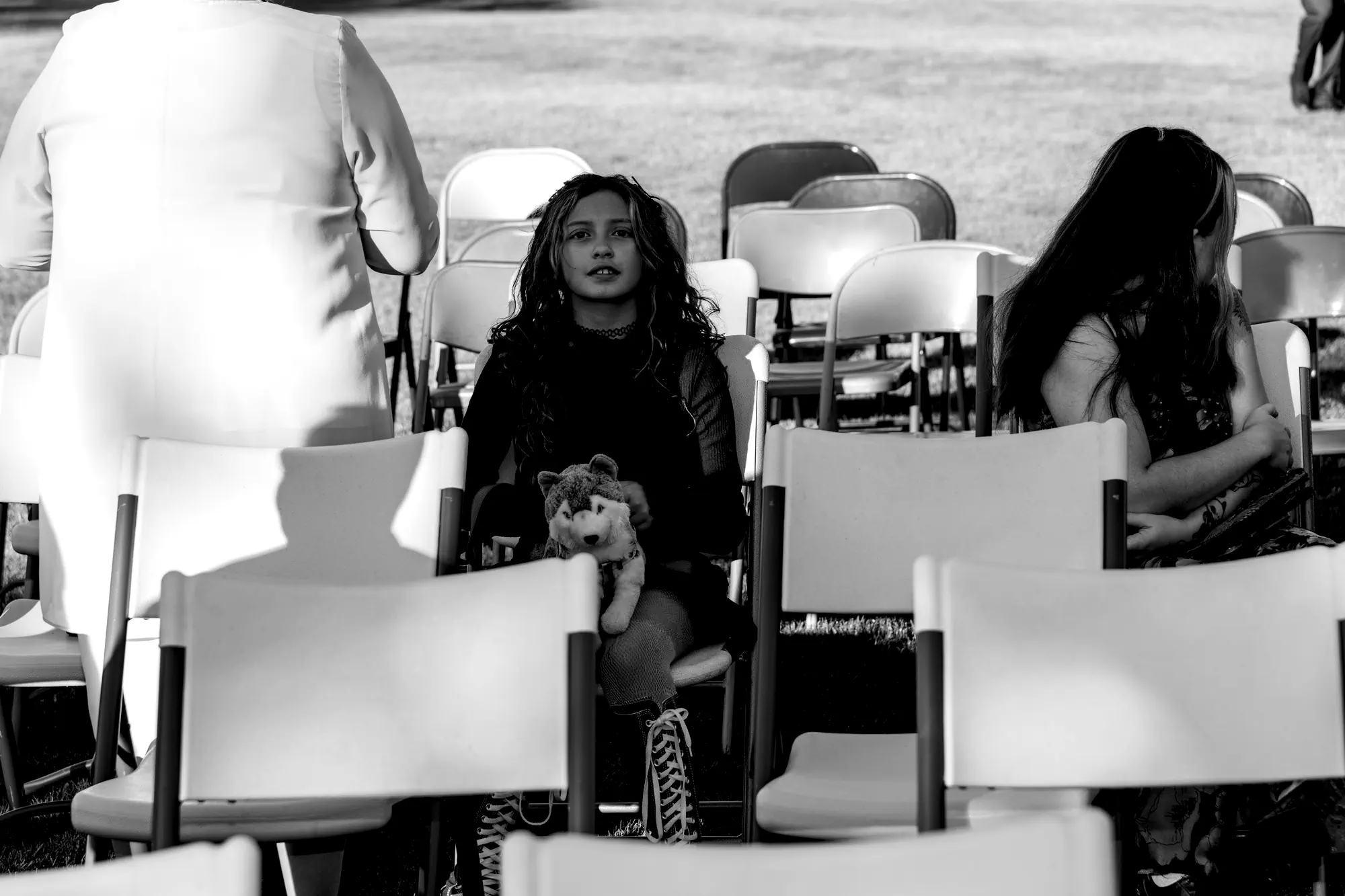
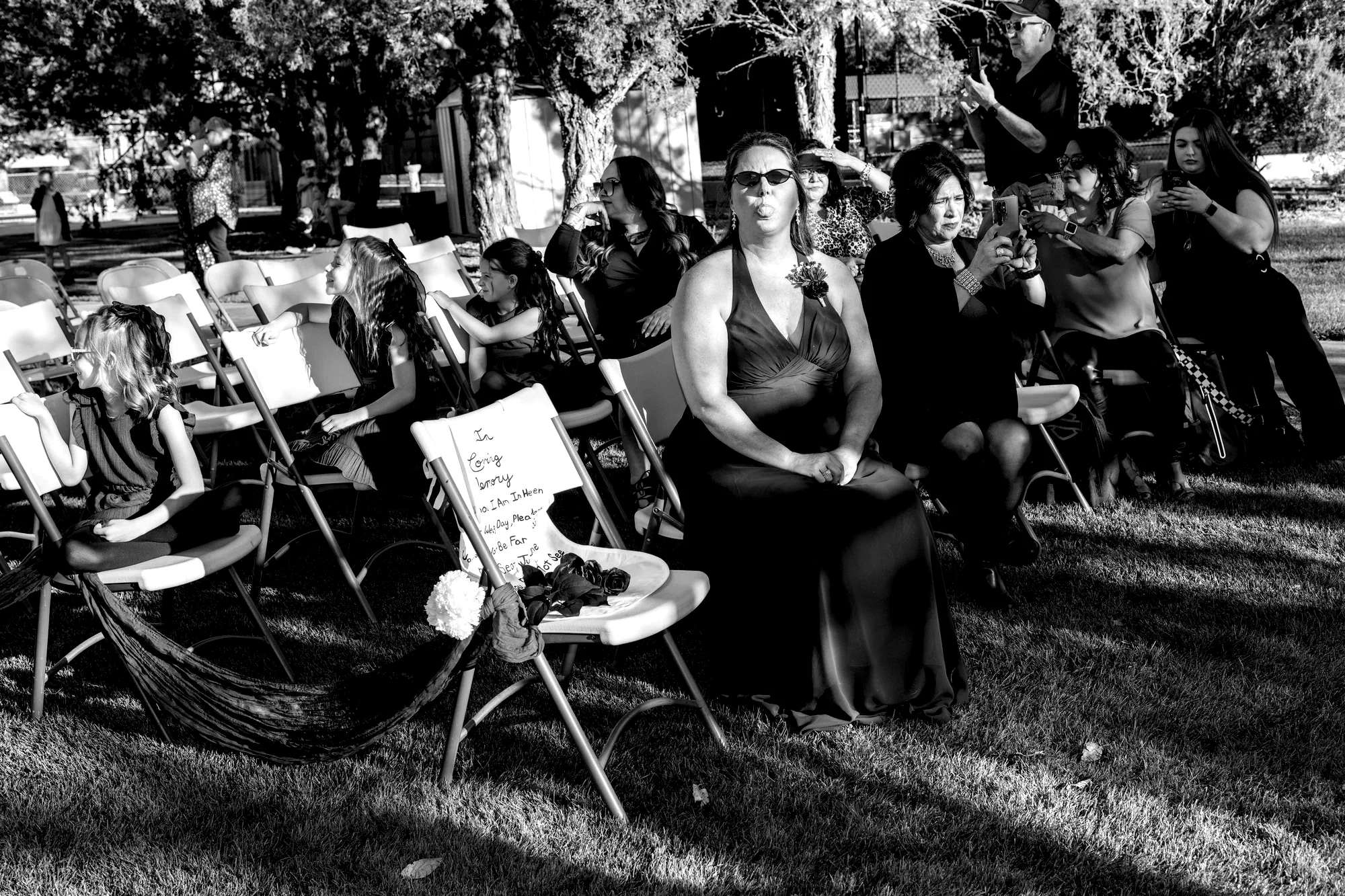
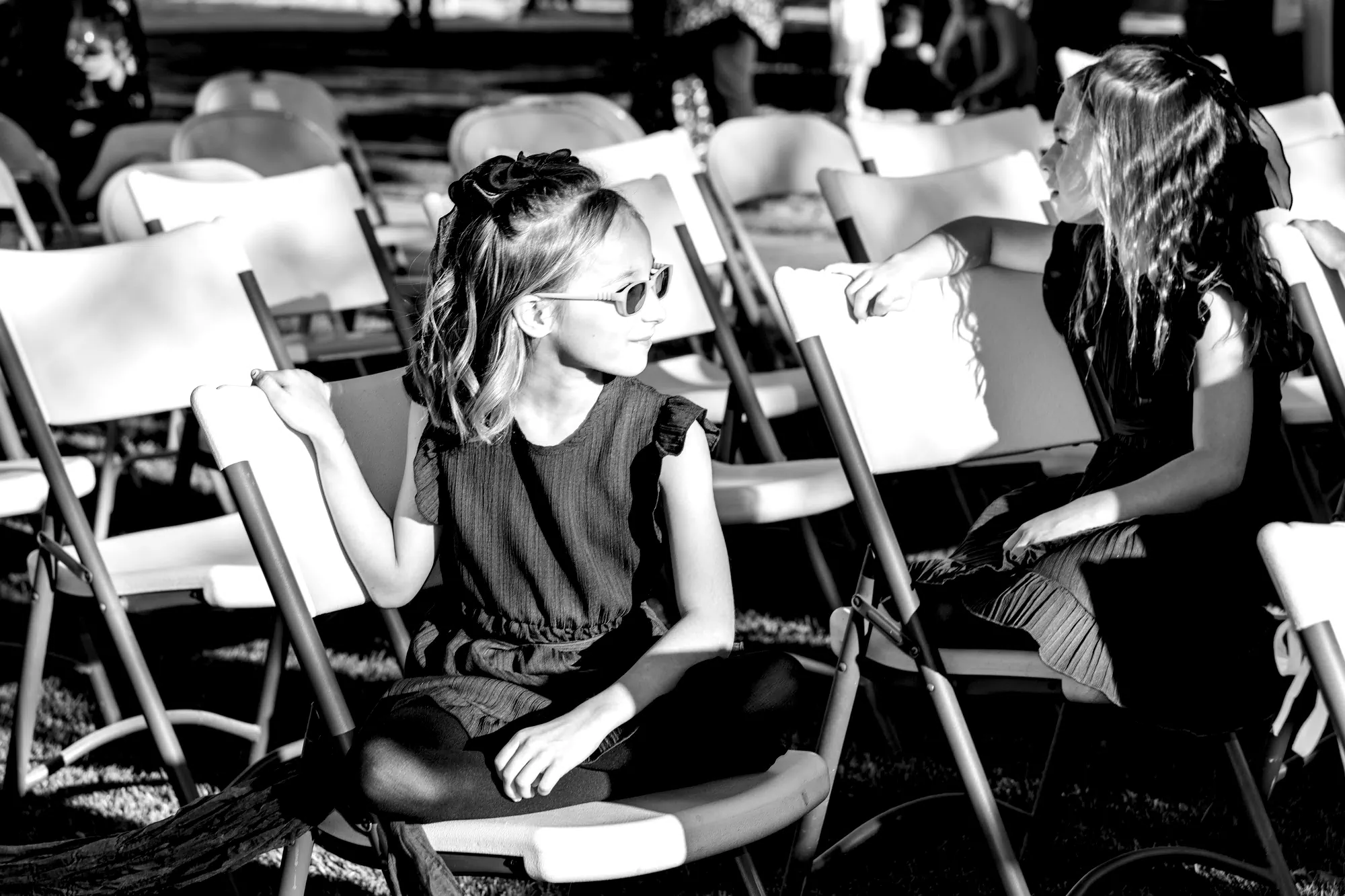
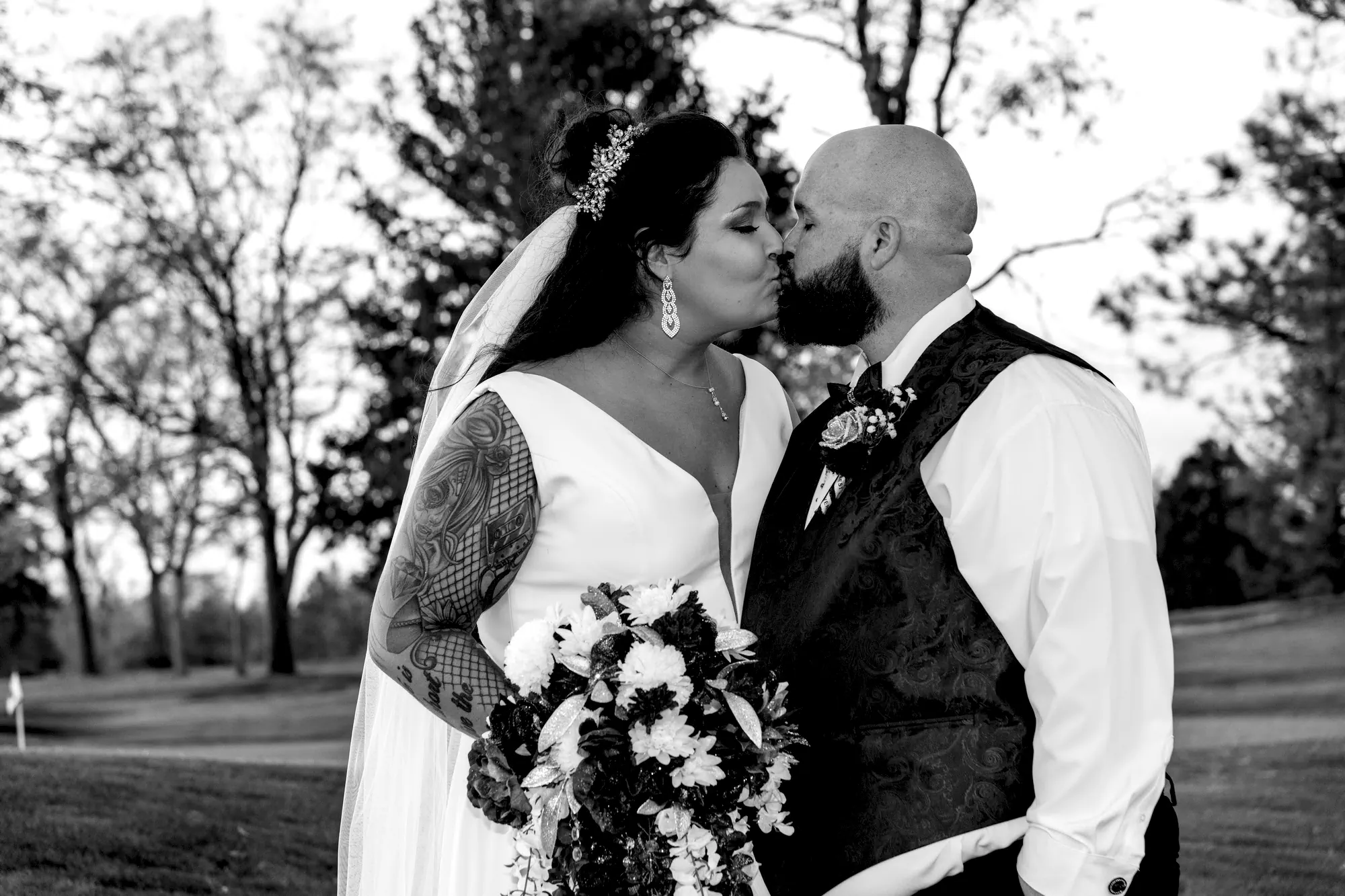
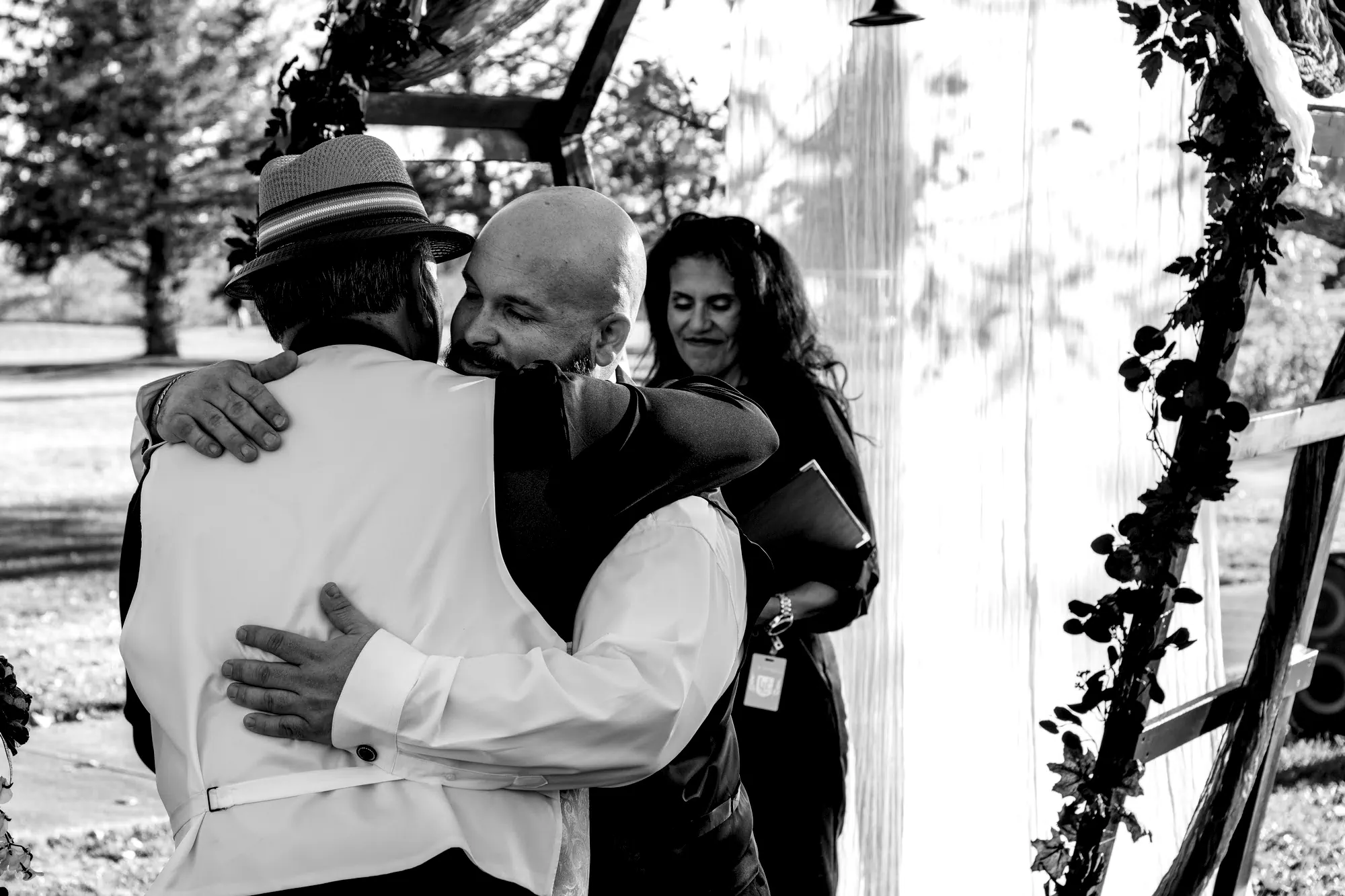
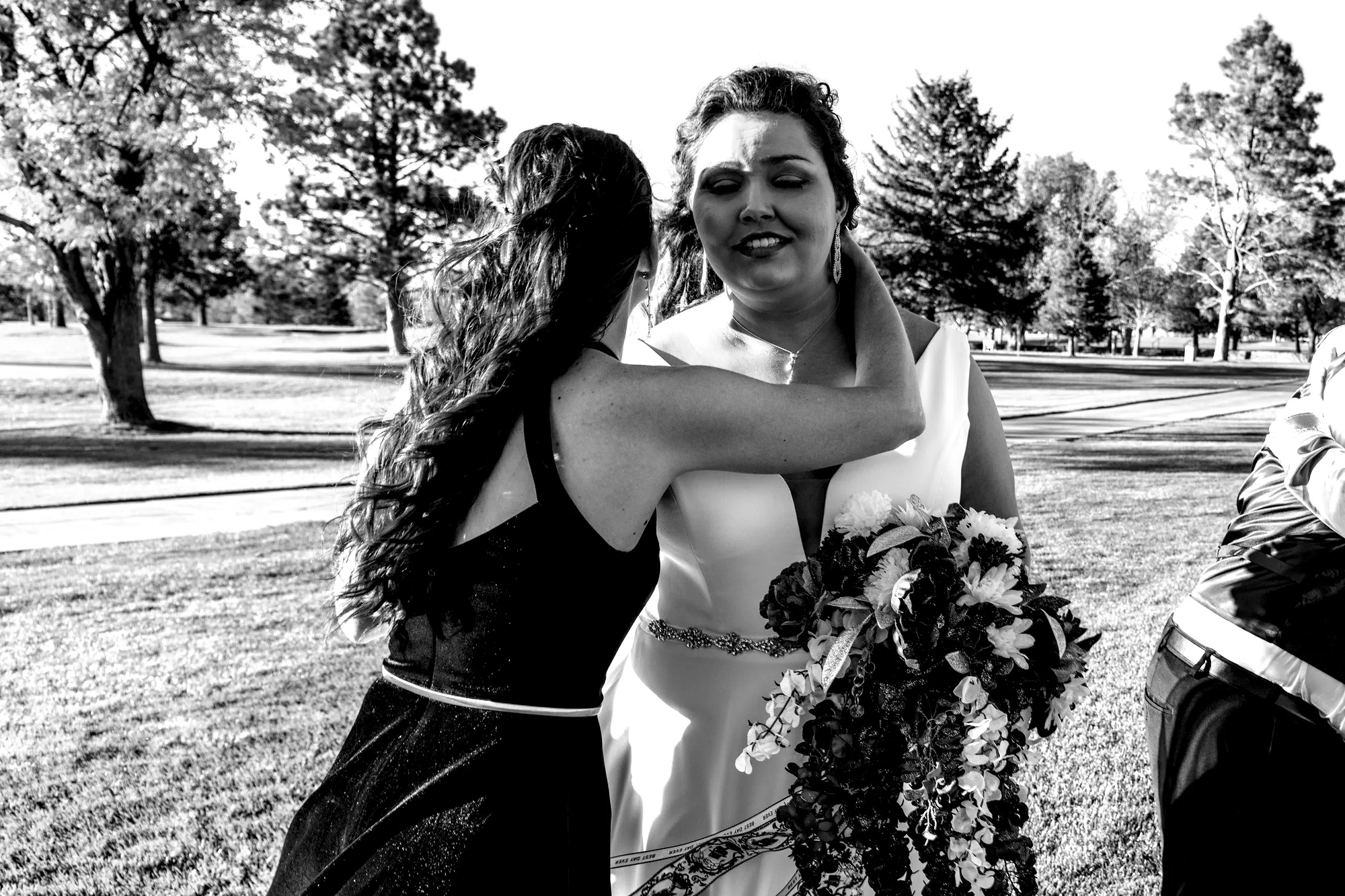
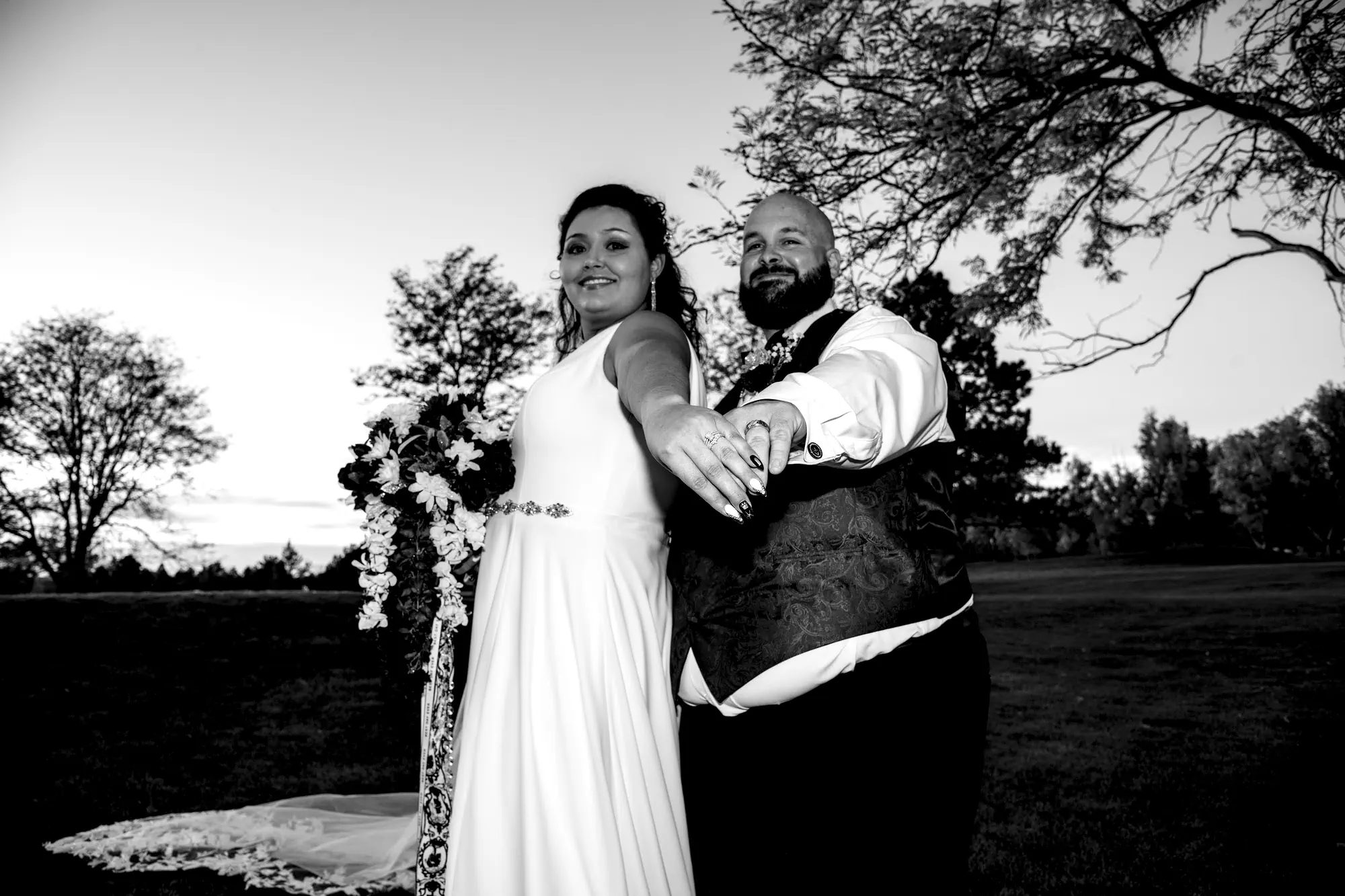
I’m not chasing a picture, I’m chasing power.
Color records the world. Black and white reveals it. That sounds like a romantic exaggeration until you actually spend years staring at negatives on a light table. When the color is stripped away, excuses go with it. A photograph can no longer lean on a pretty sunset or a bright jacket to survive. It must stand on structure — light, shadow, gesture, and timing. Either the image works or it doesn’t. There is nowhere to hide.
Color shows you what a place looked like. Black and white shows you what it felt like.
Human vision is drawn first to brightness, not hue. Before the brain even decides “that coat is red,” it already decided “that face is illuminated.” Black and white photography works directly with that primitive wiring. It reduces the world to luminance — the actual energy of light — and suddenly you’re not looking at clothing or décor or fashion. You’re looking at a person. Their posture, their tension, their fatigue, their defiance. A wrinkle becomes a landscape. A glance becomes a confession.
Film taught me this lesson long before I could explain it. Silver halide crystals do not care about aesthetics; they respond only to photons. Light strikes metal suspended in gelatin and physically alters matter. An image is not recorded — it is grown. When you hold a negative, you’re holding evidence that light once touched a real moment in time. That gives the photograph gravity. Not metaphorical gravity. Physical gravity.
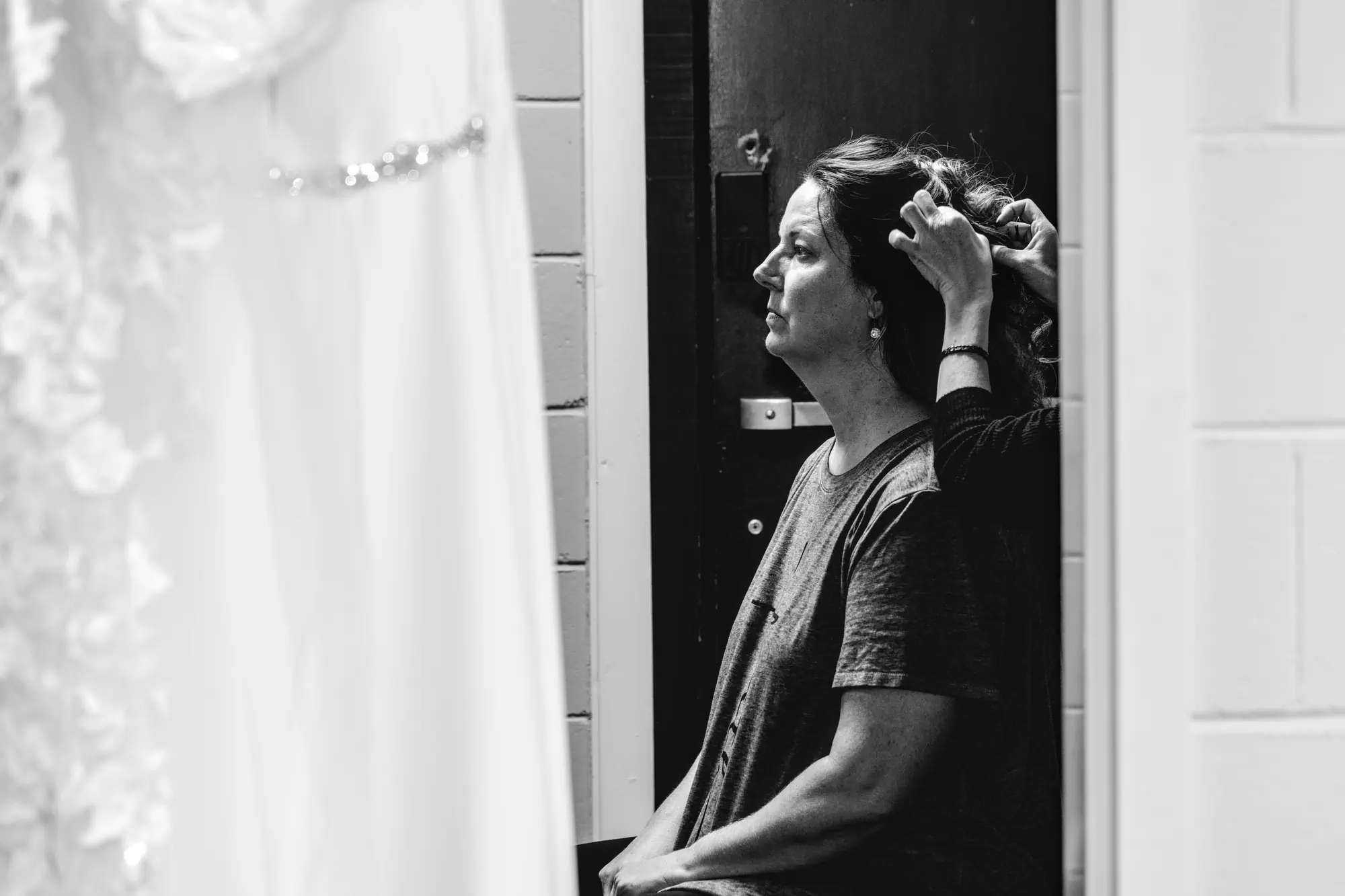
When I photograph someone in monochrome, I am not describing their shirt. I am describing their existence in that instant. The photograph stops being a picture of a person and becomes an encounter with one.
That is why I work this way.