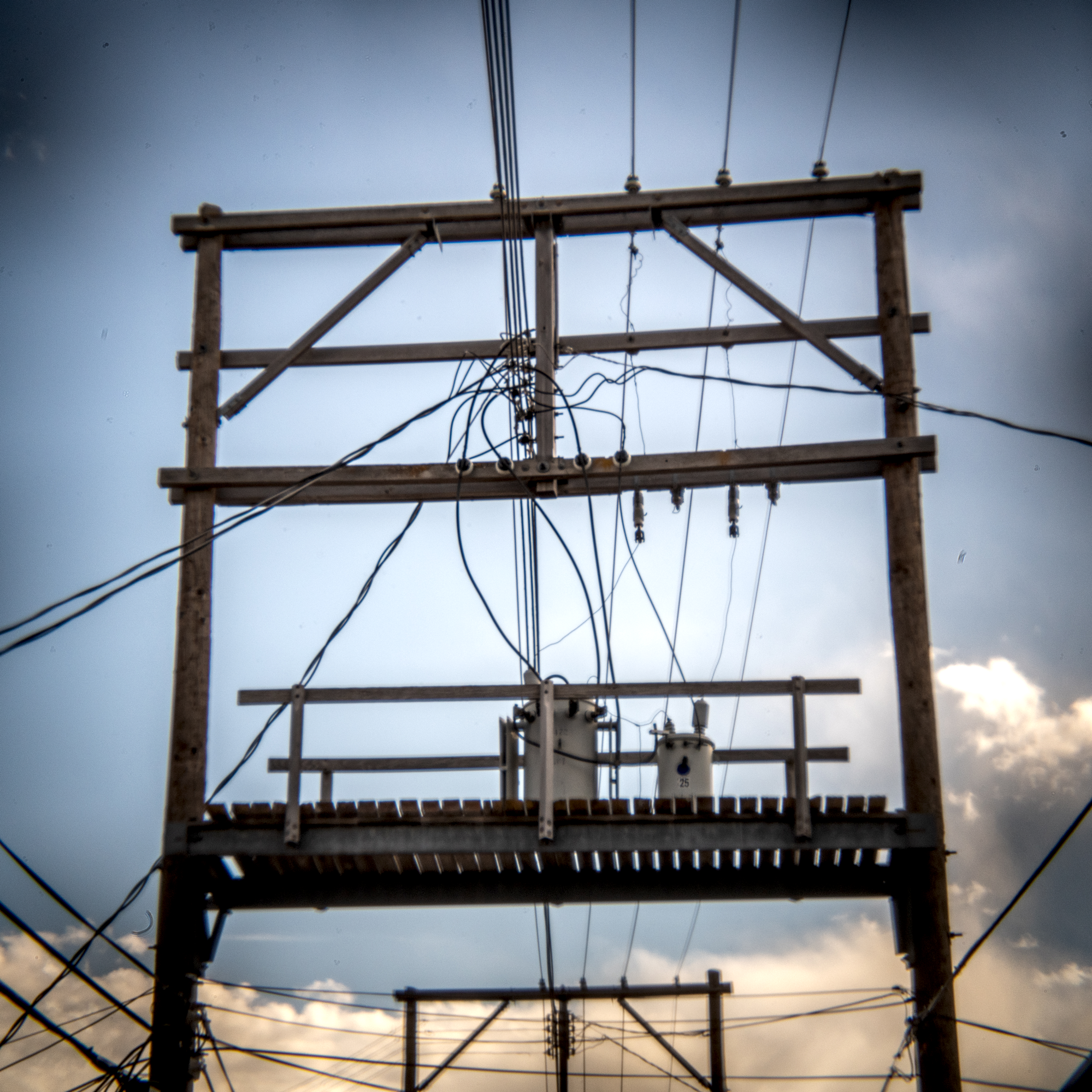
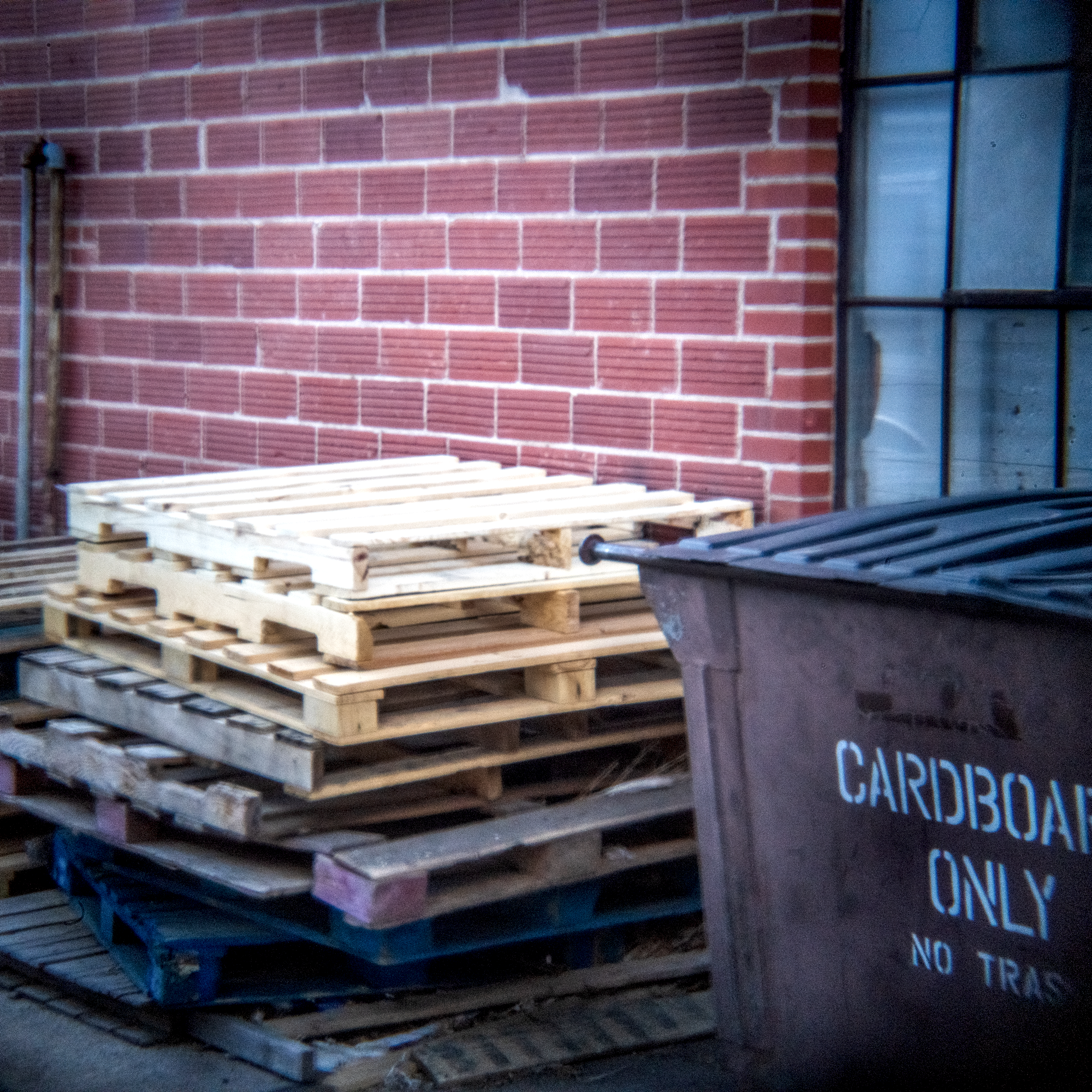
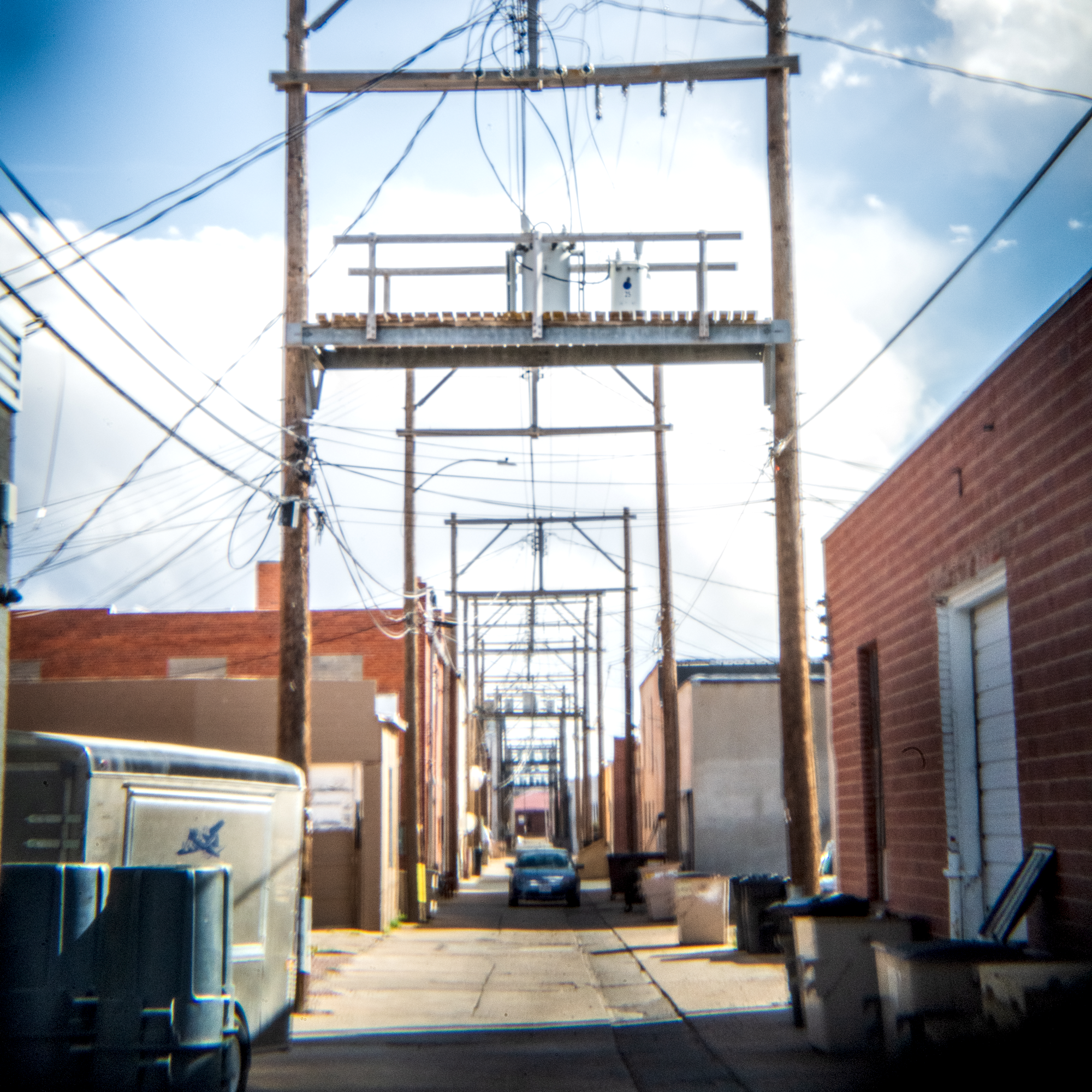
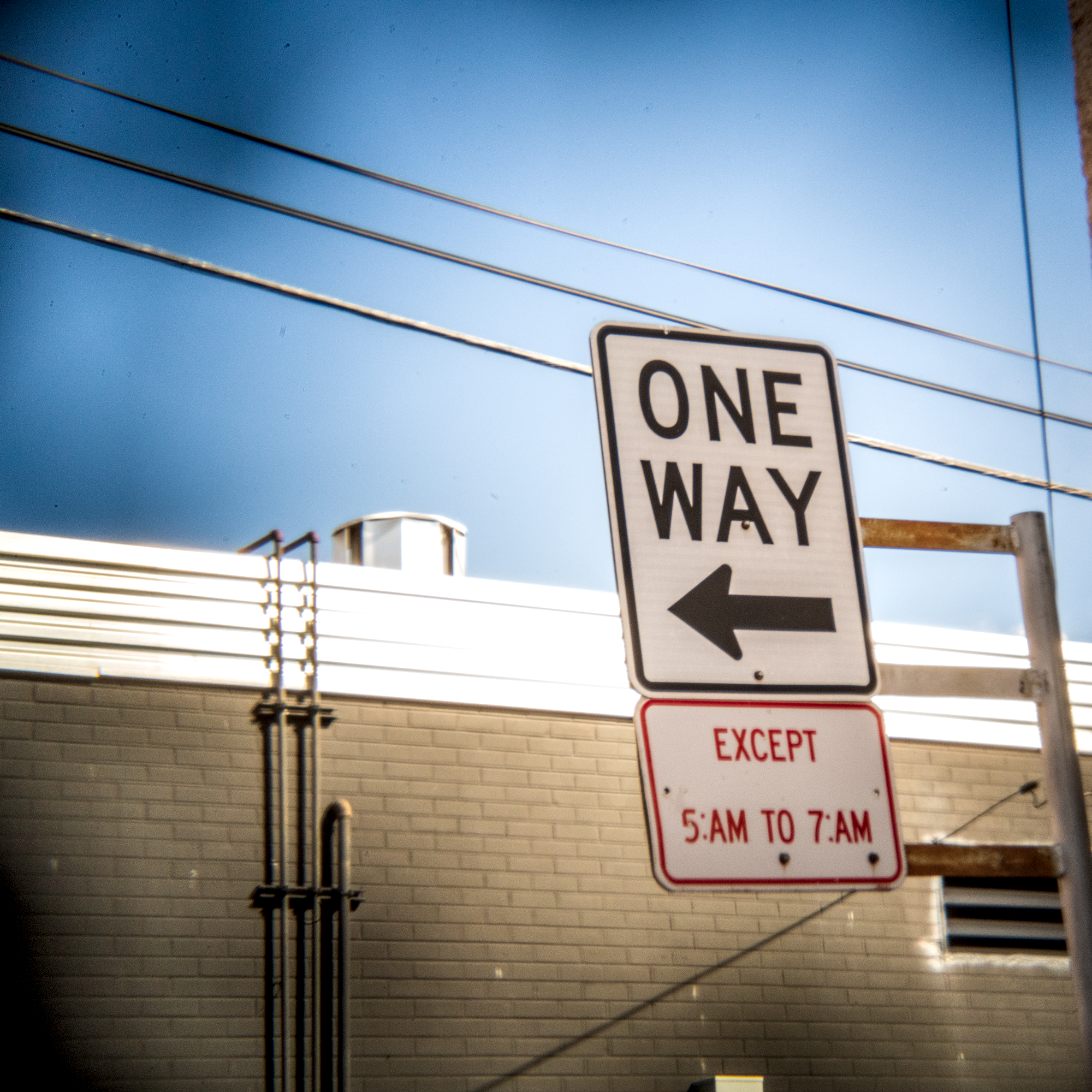
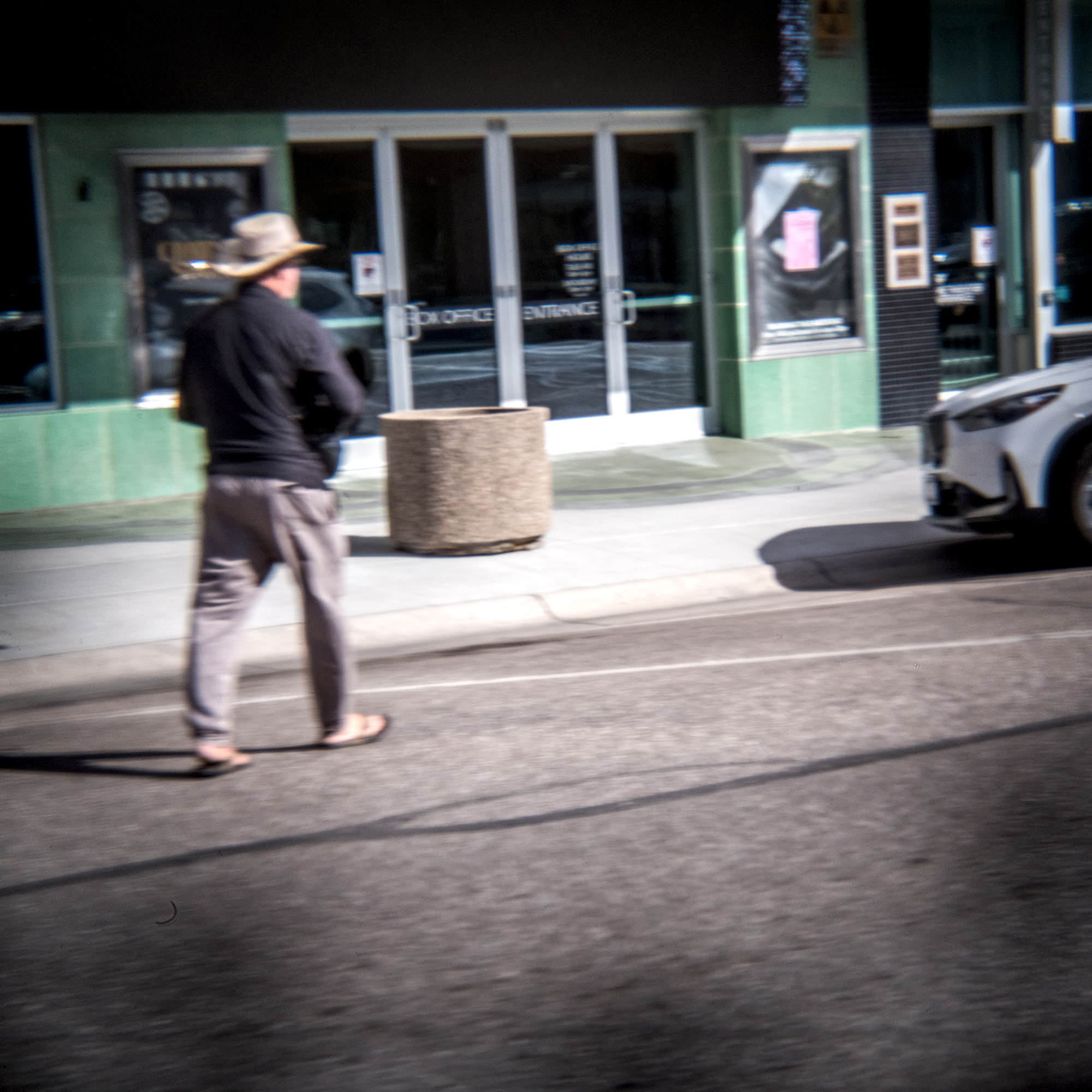
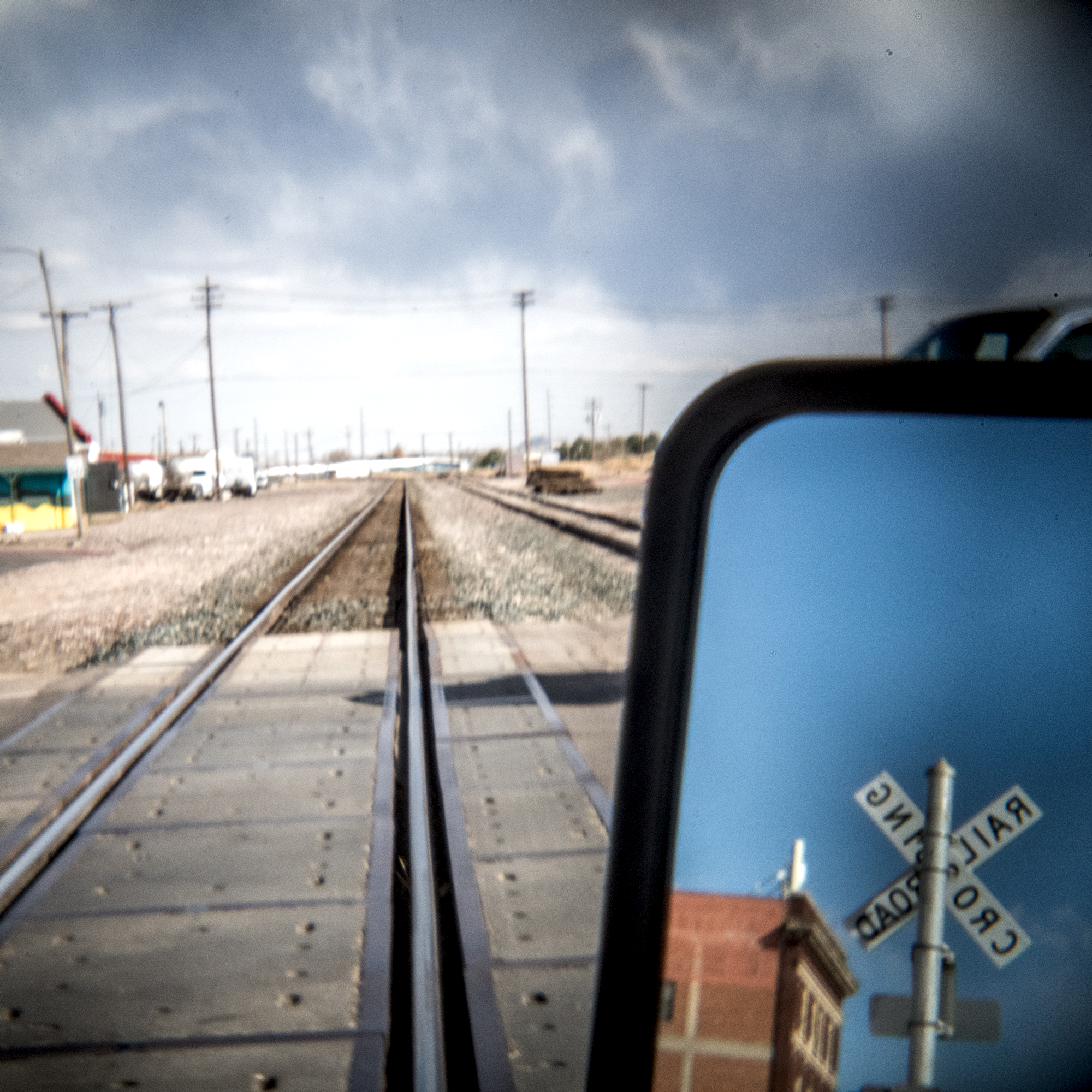
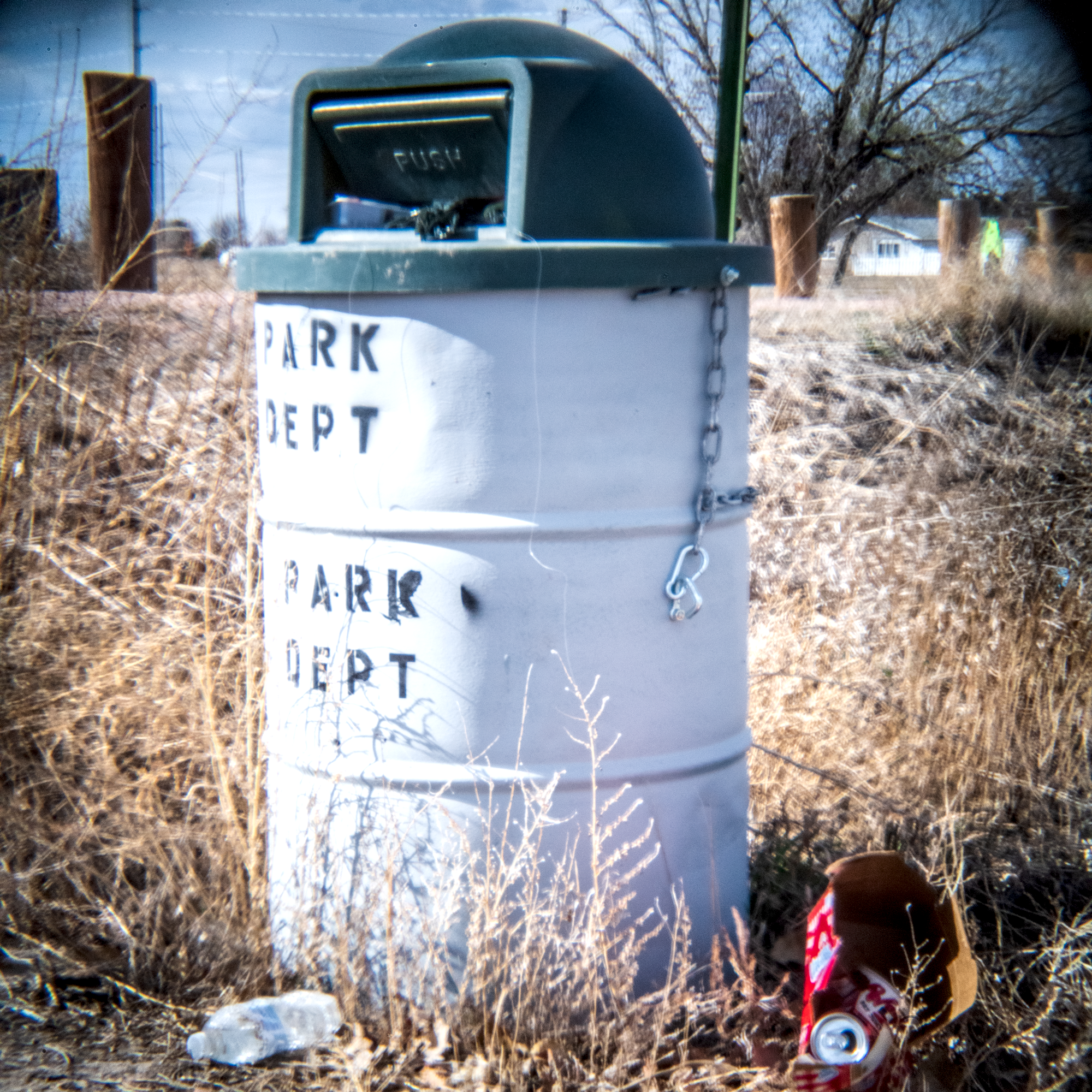
The Holga camera is a simple, plastic medium-format film camera that first appeared in the early 1980s, originally made in Hong Kong as an inexpensive way for everyday people to take photographs. It uses 120 film and is built with a plastic lens, minimal controls, and a body that’s anything but light-tight by modern standards. On paper, it’s flawed—soft focus, heavy vignetting, light leaks, and unpredictable exposure are all part of the package.
That’s exactly why it stands apart. In a field that often chases technical perfection, the Holga goes the other direction—it embraces imperfection. Photographers use it not for accuracy, but for character. The images feel raw, dreamlike, and sometimes downright chaotic, which gives them a kind of honesty you don’t get from clinically sharp digital files. It forces you to let go of control and accept what the camera gives you, and in doing so, it reminds you that photography isn’t just about precision—it’s about interpretation.
This photo essay focuses on the place where I live—and on many of the things about it that I simply can’t stand. It’s not an elegant subject, but the truth is, we all have towns, cities, or villages that get under our skin because of how they’re run—whether it’s a city council, a corrupt senator, or an absent-minded county commission member. This is my exploration of what frustrates me, told through the lens of my Holga—my tool of choice and, in many ways, my weapon.