Photography has always been full of rules. Keep the camera steady. Use a tripod. Freeze the moment. Make everything sharp. For most of my life those ideas followed me everywhere I went with a camera. They are good rules in many situations, but like most rules in art they are also invitations to break them.
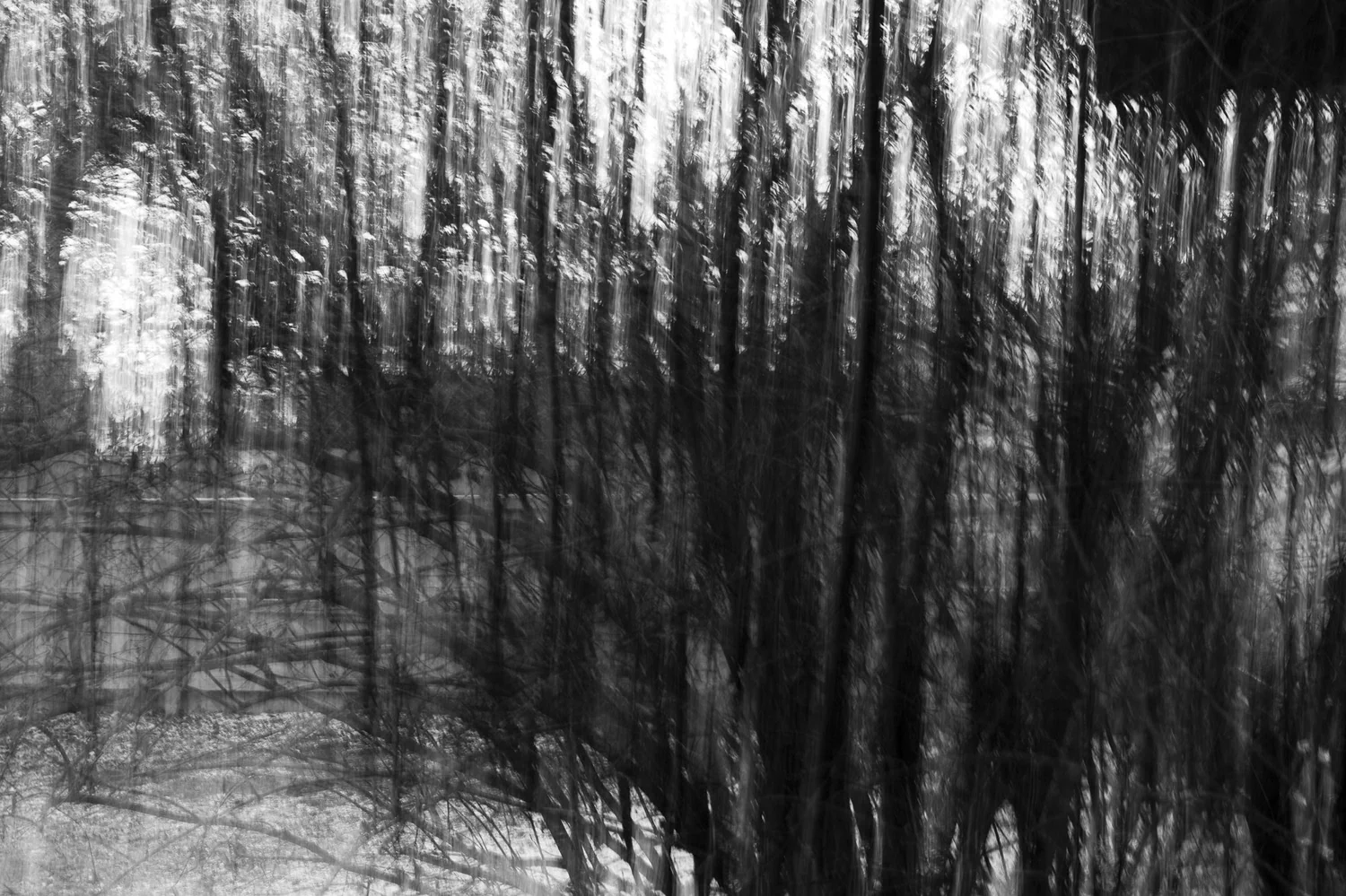
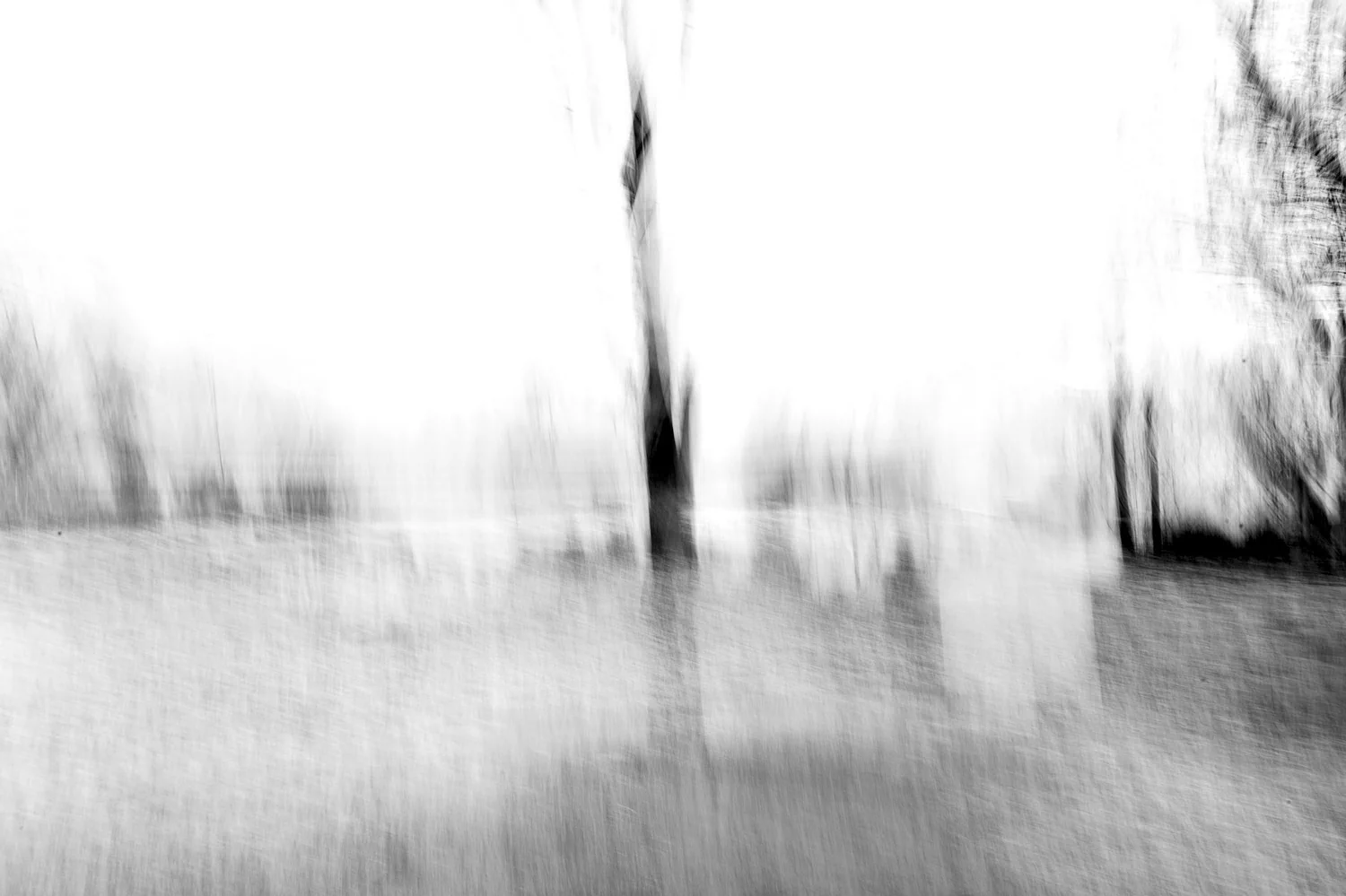
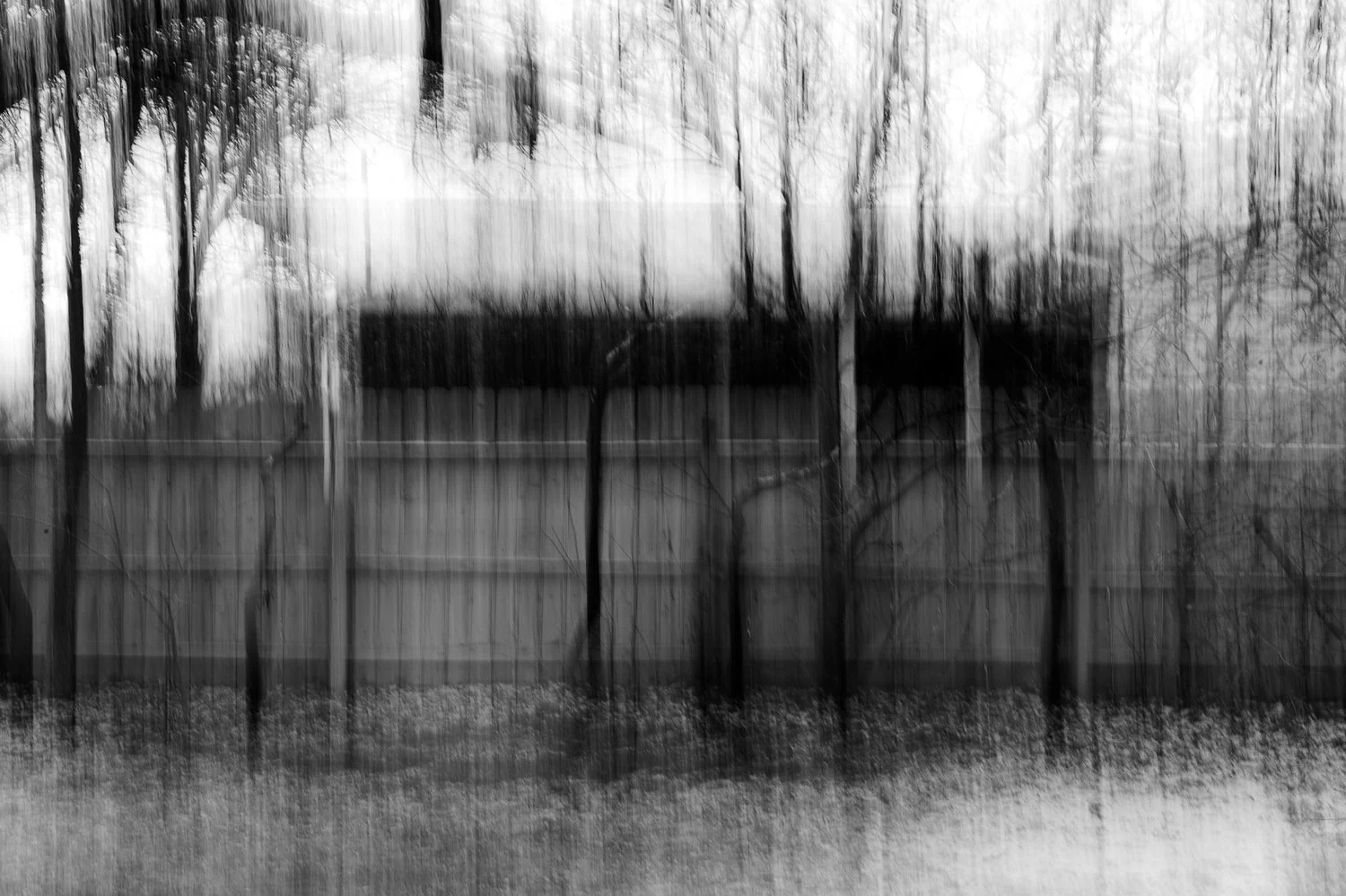
Intentional Camera Movement—often called ICM—is exactly what it sounds like. Instead of fighting motion, the photographer embraces it. The camera is moved during the exposure on purpose. It might be a slow pan across a line of trees, a gentle upward pull while photographing a stand of grass, or a quick twist of the wrist while capturing light. The result is not a literal record of the scene but something closer to a visual impression of it.
When I use intentional camera movement I am not trying to document what a place looks like. I am trying to photograph what it feels like. A grove of cottonwoods in the wind becomes streaks of gold and green. Water and sky melt together into soft bands of color. Street lights at night stretch into glowing lines like brushstrokes. The photograph stops behaving like a window and starts behaving like a painting.
This approach requires letting go of the idea that every photograph must be technically perfect. Sharpness becomes secondary. Precision becomes less important than rhythm and gesture. The movement of the camera becomes part of the creative process in the same way a painter moves a brush across canvas.
The strange thing is that this technique often reveals something more honest about a scene. Human memory rarely remembers the world with clinical sharpness. We remember impressions—color, motion, atmosphere. Intentional camera movement mirrors the way the brain actually experiences places and moments.
There is also a certain freedom in it. Instead of standing still behind a tripod waiting for technical perfection, the photographer becomes physically involved in the act of seeing. The camera moves with the body. The exposure becomes a small performance lasting a fraction of a second.
Of course, like any technique, it requires experimentation. Different shutter speeds produce completely different results. A movement that works beautifully in a forest may fail completely in a city street. The process involves a great deal of trial, error, and surprise. Many frames fail, but the ones that succeed often feel alive in ways that conventional photographs do not.
Intentional camera movement reminds me that photography does not always have to be about accuracy. Sometimes it can be about interpretation. The camera becomes less of a measuring device and more of an instrument for expression.
In the end that is what keeps photography interesting after all these years. There is always another way to see the world, another way to break the rules, another way to turn a simple scene into something unexpected. Sometimes all it takes is the courage to move the camera instead of holding it still.