
Fine art photography looks easy to people who don’t do it.
It’s “just a picture,” they say. No bride waiting, no editor calling, no deadline, no client breathing down your neck. Freedom, they imagine.
Freedom is exactly why it’s hard.
When I shoot a wedding, I already know the assignment: record a day that matters to someone. When I shoot news or documentary work, the world provides the meaning. Something happened, and my responsibility is to show it honestly. But fine art photography removes the safety rails. No one tells you what is important. You have to decide that yourself — and then convince a stranger it mattered.
That is a frightening task, because now the subject is not the landscape, or the building, or the person in front of the lens.
The subject is your perception.
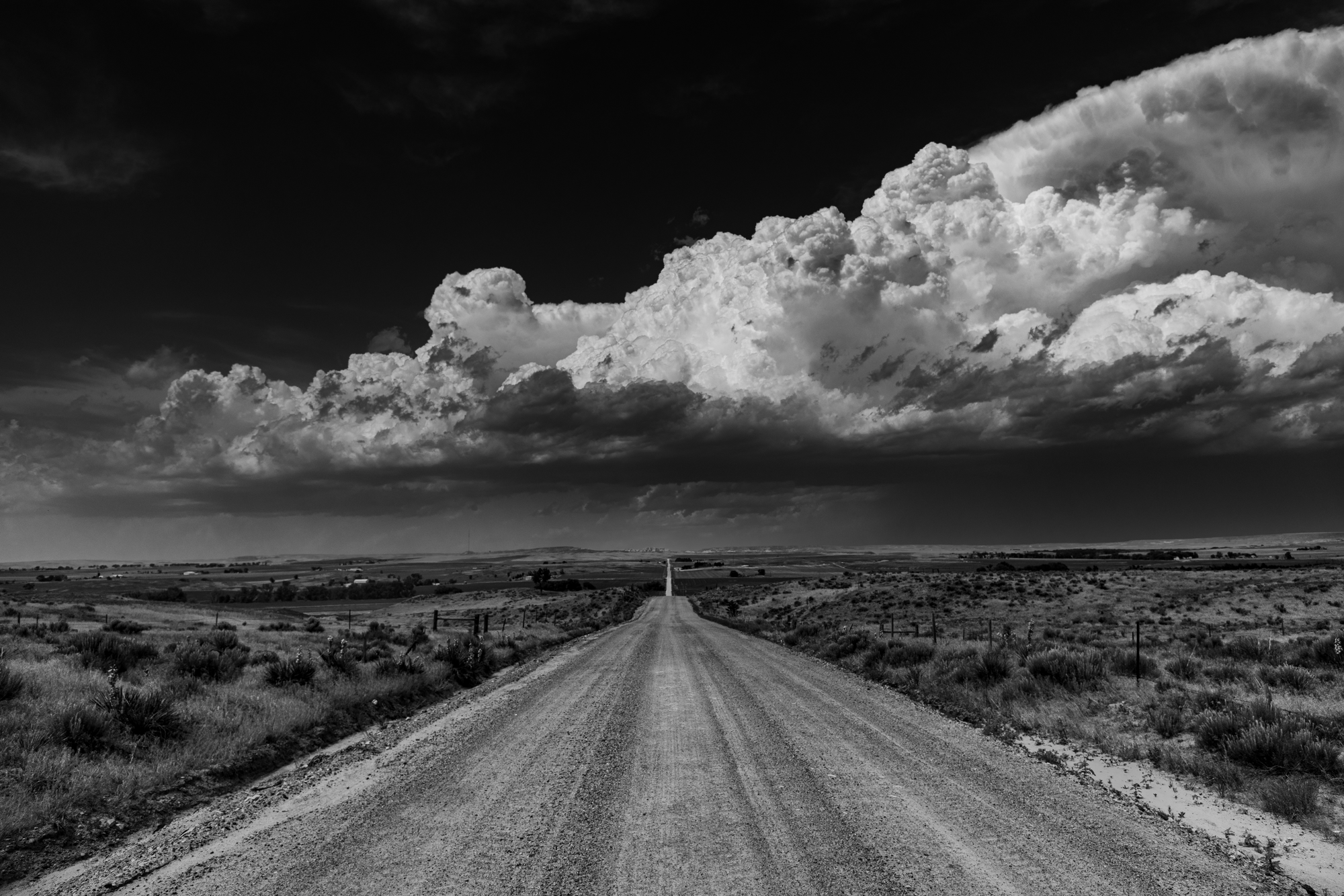
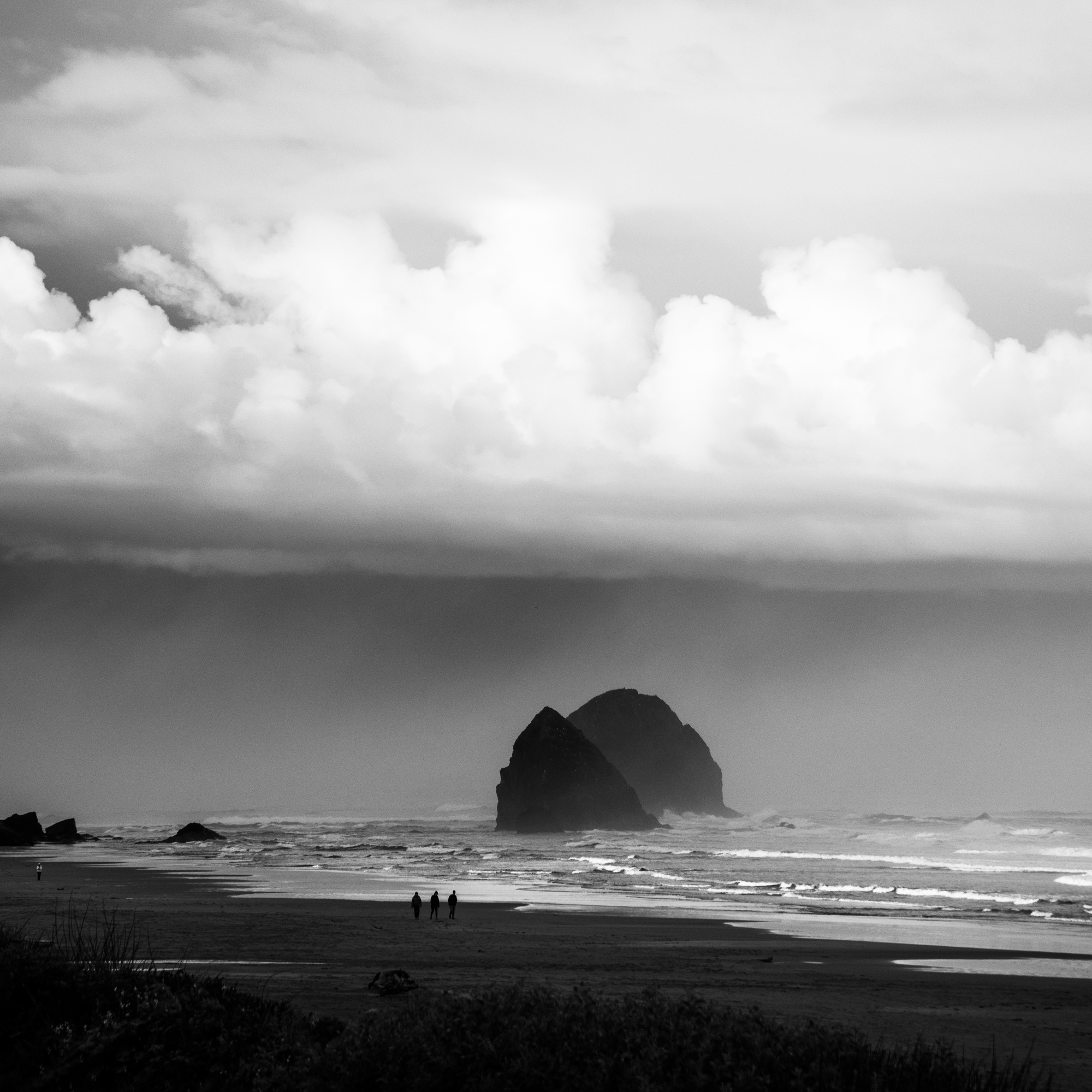
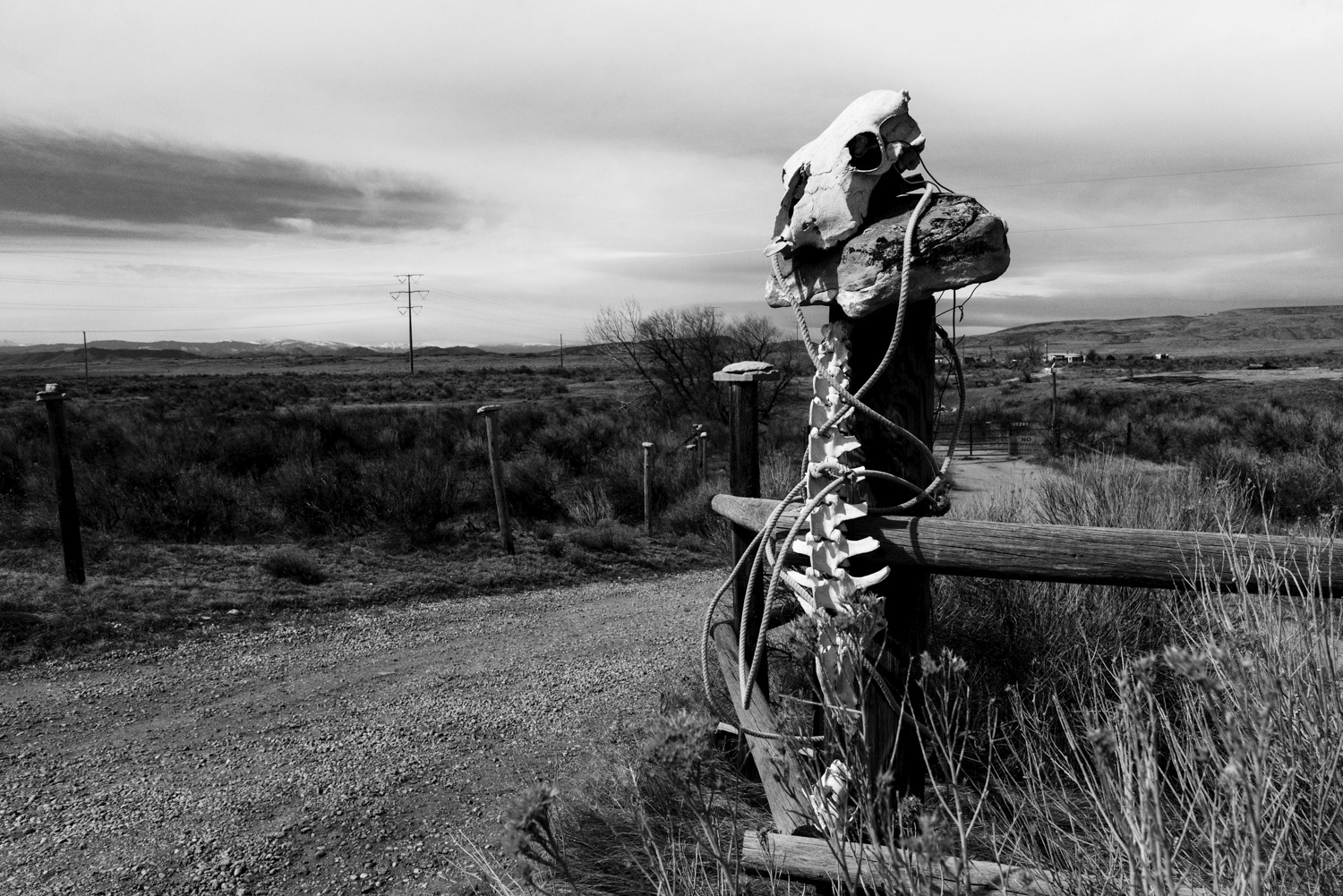
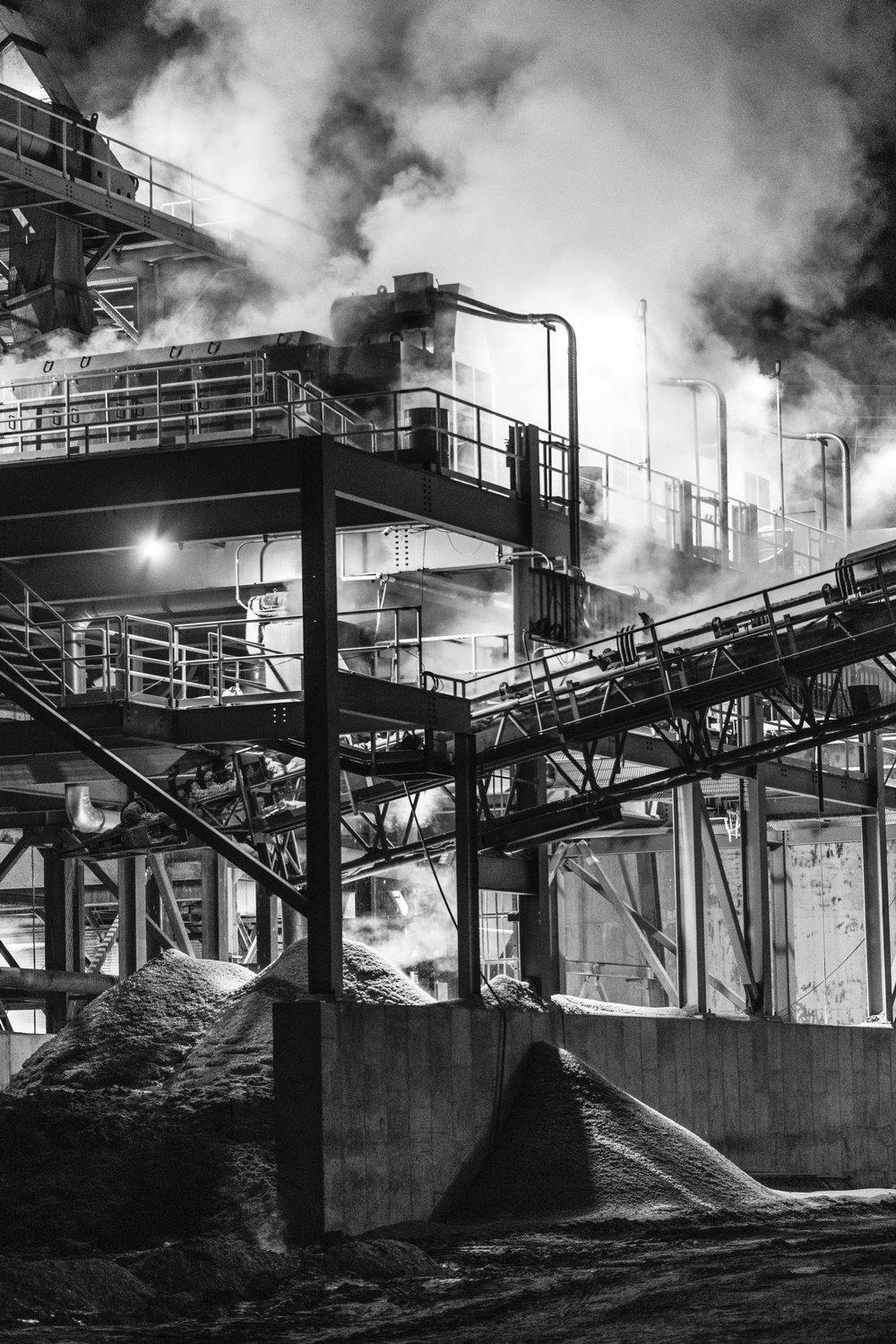
The problem of abundance
Photography is the most common visual medium in human history. Every person now carries a camera in their pocket. Trillions of images exist. The world is drowning in pictures.
Because of that, a fine art photograph cannot succeed merely by being technically good. Sharpness is meaningless. Exposure is expected. Pretty light is everywhere. If technical competence were enough, the internet would already be the greatest museum ever created.
Fine art photography begins where technical success stops.
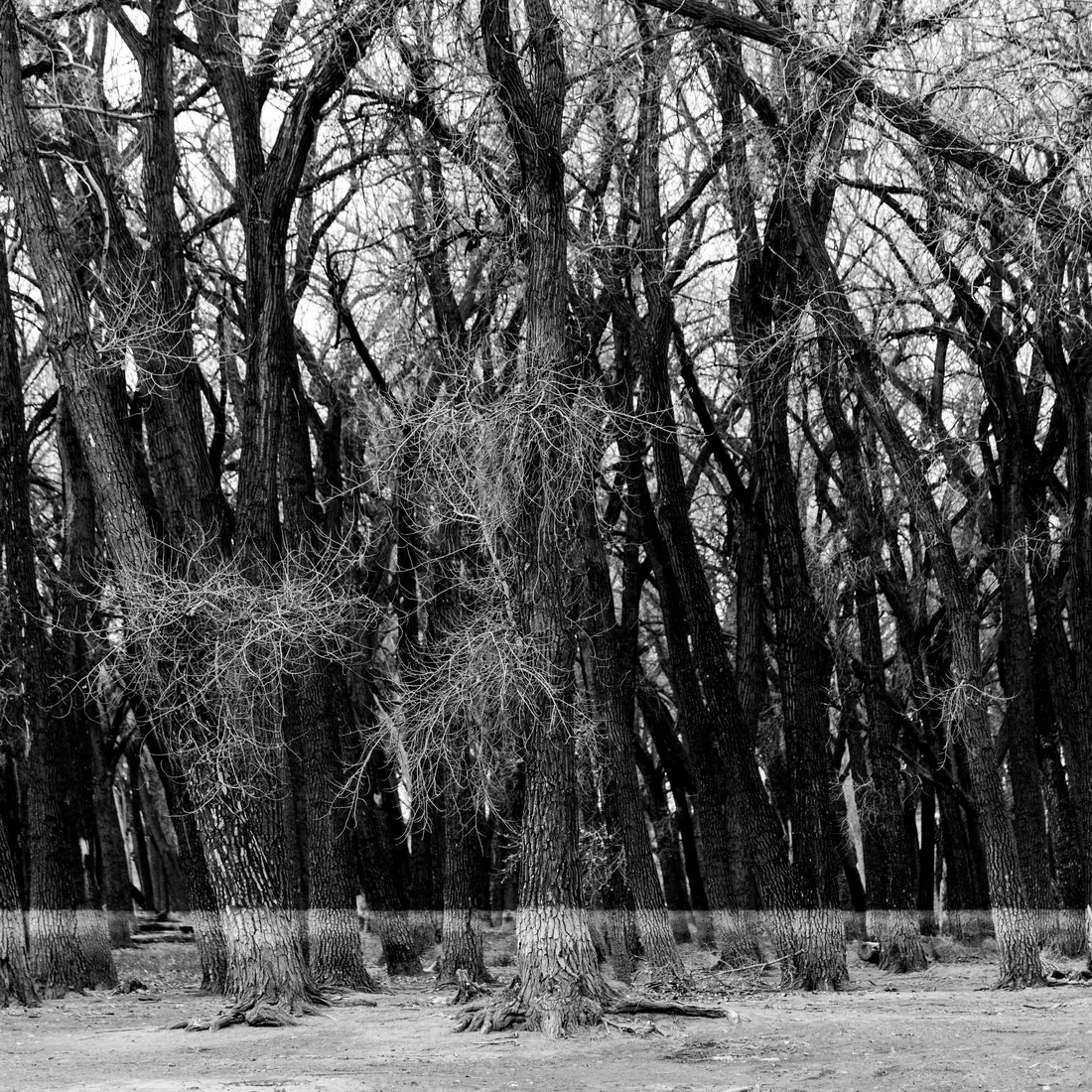
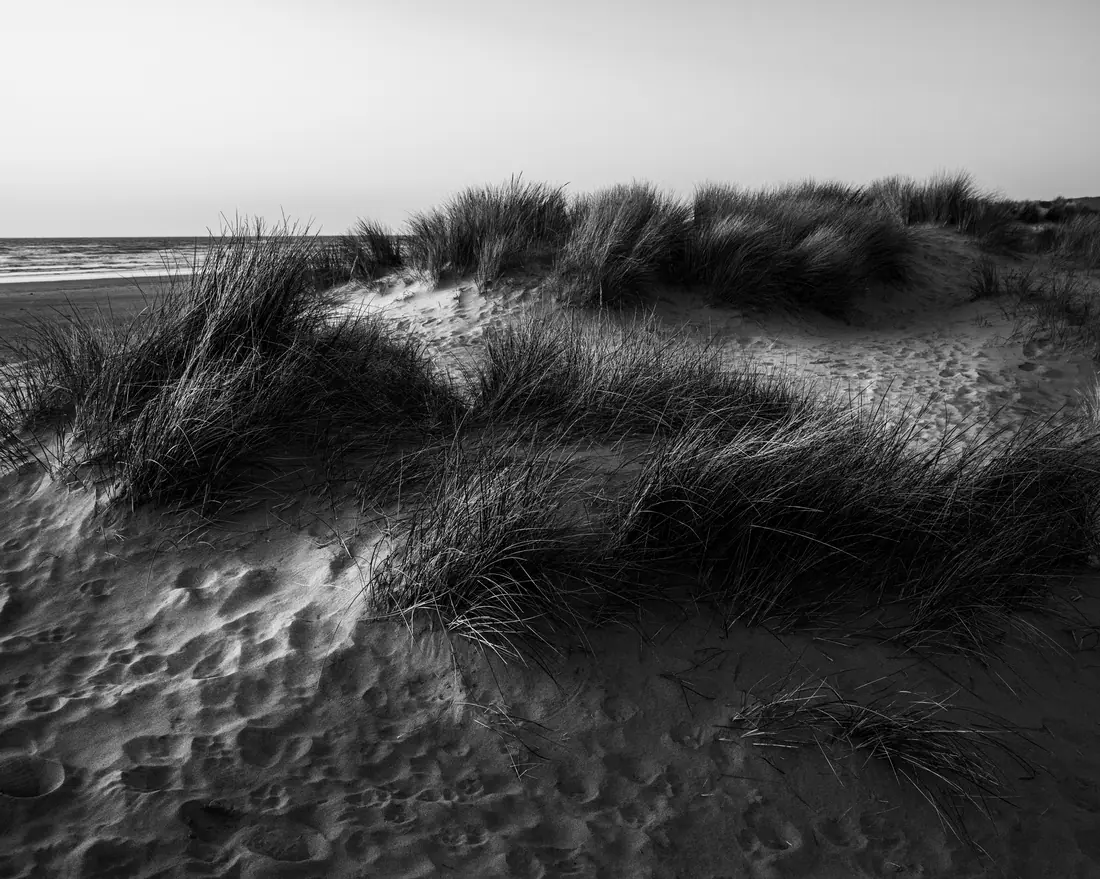
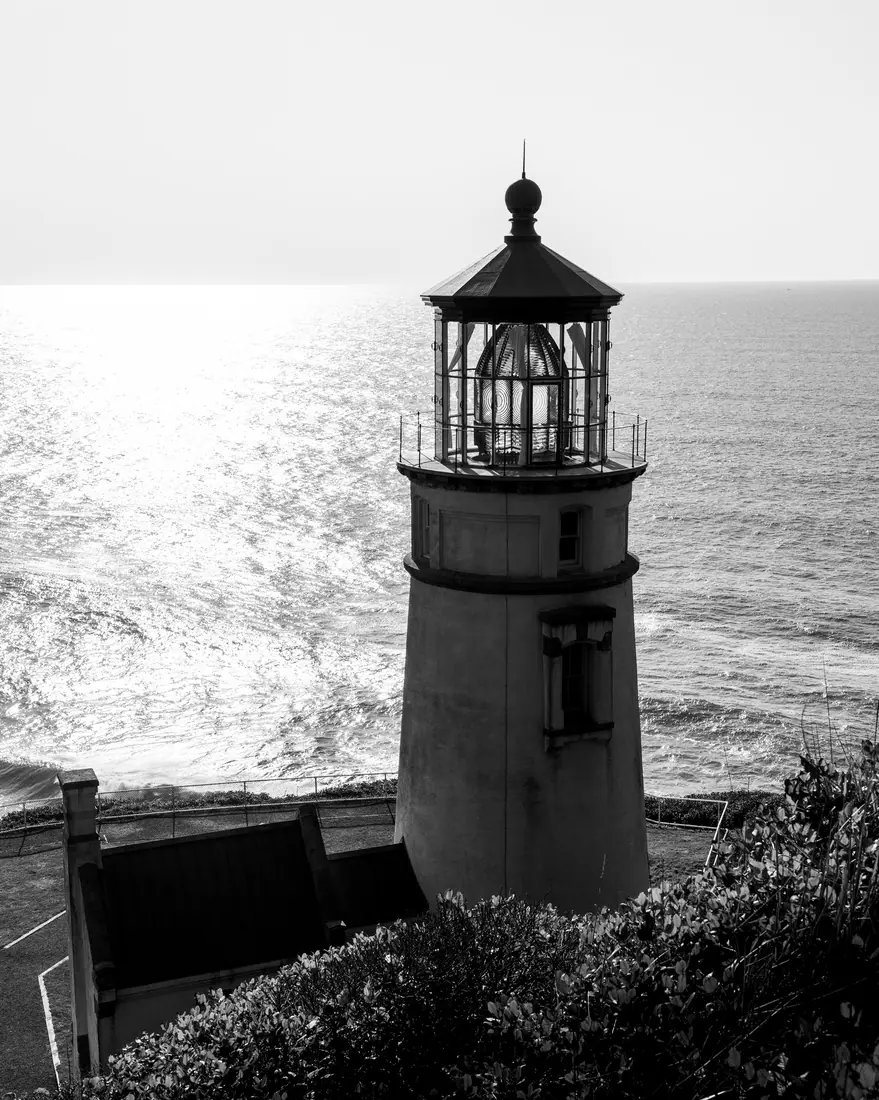
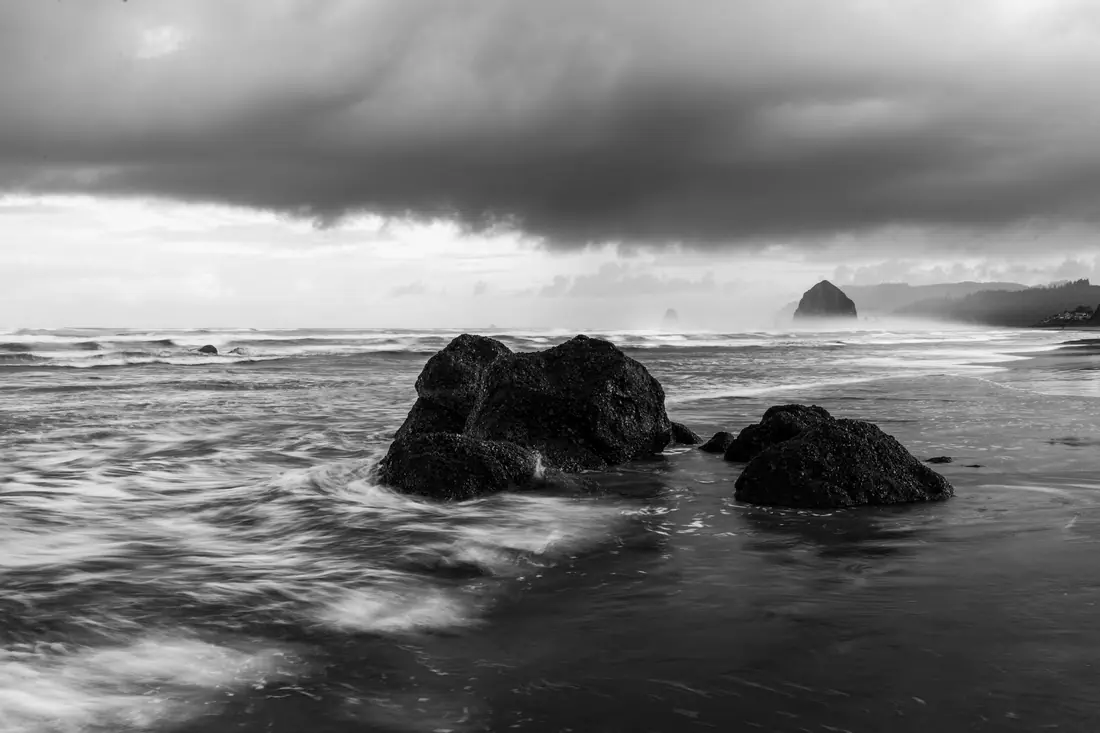
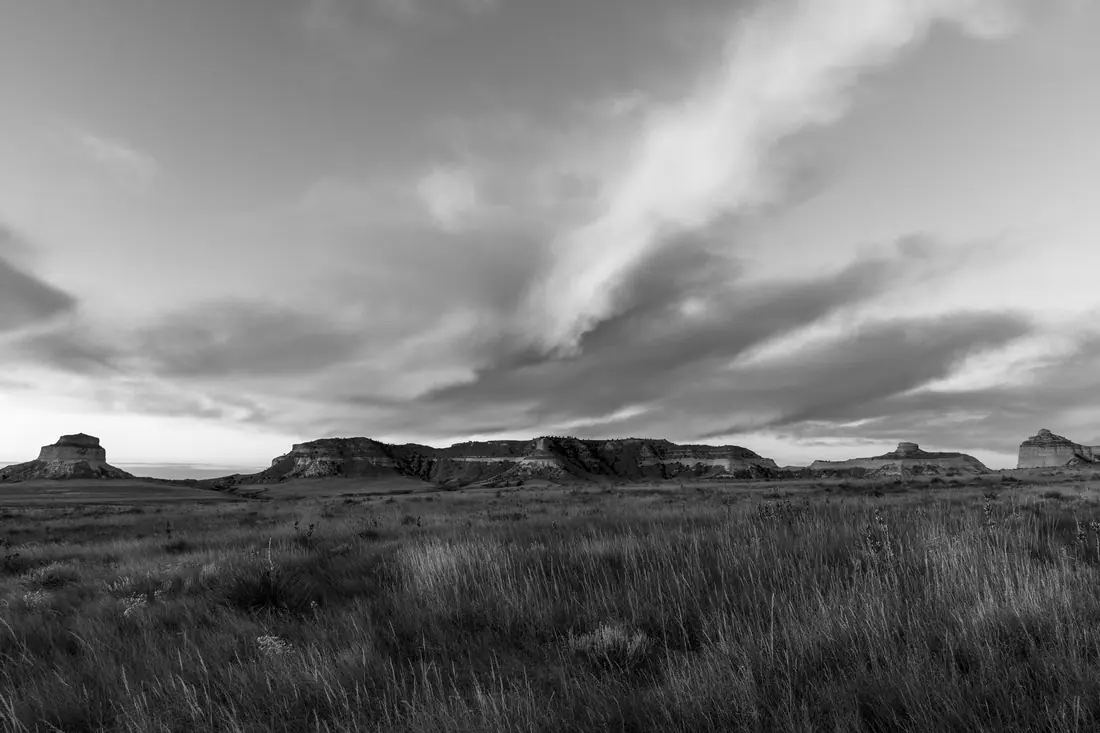
A fine art image must contain interpretation — not just a recording of what something looked like, but a statement about what it means. A tree is not interesting because it exists. It becomes interesting when it communicates time, isolation, resilience, decay, memory, or silence. Without that, the photograph is decoration.
This is the first great challenge: you are not photographing objects anymore. You are photographing ideas using objects as symbols.
Most photographers never cross that line, not because they lack skill, but because they never ask the dangerous question:
“What am I actually trying to say?”
The loneliness of authorship
Fine art photography is solitary in a way other photography is not.
A client can tell you if they like a portrait. An editor can approve a news image. A couple can cry over their wedding album. There is feedback and reassurance. Fine art offers neither. You create an image and release it into silence. Sometimes no one reacts at all.
And that silence is part of the test.
You have to continue producing work even when there is no applause, no paycheck, and no certainty anyone understands you. You refine your eye, your timing, and your editing choices not for approval, but for clarity. You begin to remove what is unnecessary. You simplify. You stop chasing novelty and start chasing meaning.
Eventually you realize the photograph is not made when you press the shutter.
It is made when you decide what to leave out.
Fine art photography is as much subtraction as capture.
Why it affects the art world
Fine art photography changed art permanently because it introduced a new kind of authorship. Before photography, realism required painting skill. Cameras democratized realism. Painters responded by abandoning literal depiction and moving toward impressionism, abstraction, and conceptual art. Photography didn’t just join the art world — it pushed it forward.
Once a machine could record reality perfectly, artists no longer needed to compete with reality. They needed to interpret it.
Photography also forced a philosophical question: if a camera records what is in front of it, how can a photograph be art? The answer turned out to be choice. Where you stand, when you shoot, what you include, what you exclude, how you print, and how you sequence images — those decisions are authorship. Two photographers can stand in the same place and produce entirely different meanings.
That realization reshaped galleries and museums. The photograph was no longer merely documentation; it became a viewpoint.
Today fine art photography sits in a strange place. It is both the most accessible art form and one of the hardest to master. Anyone can make a photograph, but very few can make one that stays in your mind. The difference is not equipment or location. It is perception. Viewers sense immediately whether an image was taken or considered.
The real difficulty
The hardest part of fine art photography is honesty.
You cannot hide behind technical tricks forever. Eventually the work reflects the photographer. Your patience, your curiosity, your fears, your obsessions — they leak into the frame. Over time, your photographs become self-portraits even when you are nowhere in them.
That is why it takes years.
You are not learning cameras anymore. You are learning how you see the world, and that changes as you age, fail, succeed, lose things, and understand more about people. The camera becomes a tool for thinking rather than recording.
A successful fine art photograph does not shout. It lingers. It causes a pause — that small moment when a viewer stops scrolling, steps closer, and wonders why they feel something they cannot immediately explain.
And that is its effect on the art world: it reminds people that an image can still slow a human mind in an age built for speed.
In a culture of endless pictures, the rarest photograph is not the spectacular one.
It is the meaningful one.