
Photography has always felt to me like a friendly argument between chemistry and electronics. I use both film and digital cameras, and while they capture the same light, they do not make me work—or think—the same way.
Film records light with a photosensitive emulsion made of silver halide crystals suspended in gelatin. When I press the shutter, light physically alters those crystals and stores a hidden, or latent, image that I later reveal through development. My digital cameras do something entirely different. Their silicon sensors convert light into electrical signals and then into data. One method grows an image out of matter; the other measures light and calculates it. Both work, but they shape my behavior behind the camera.
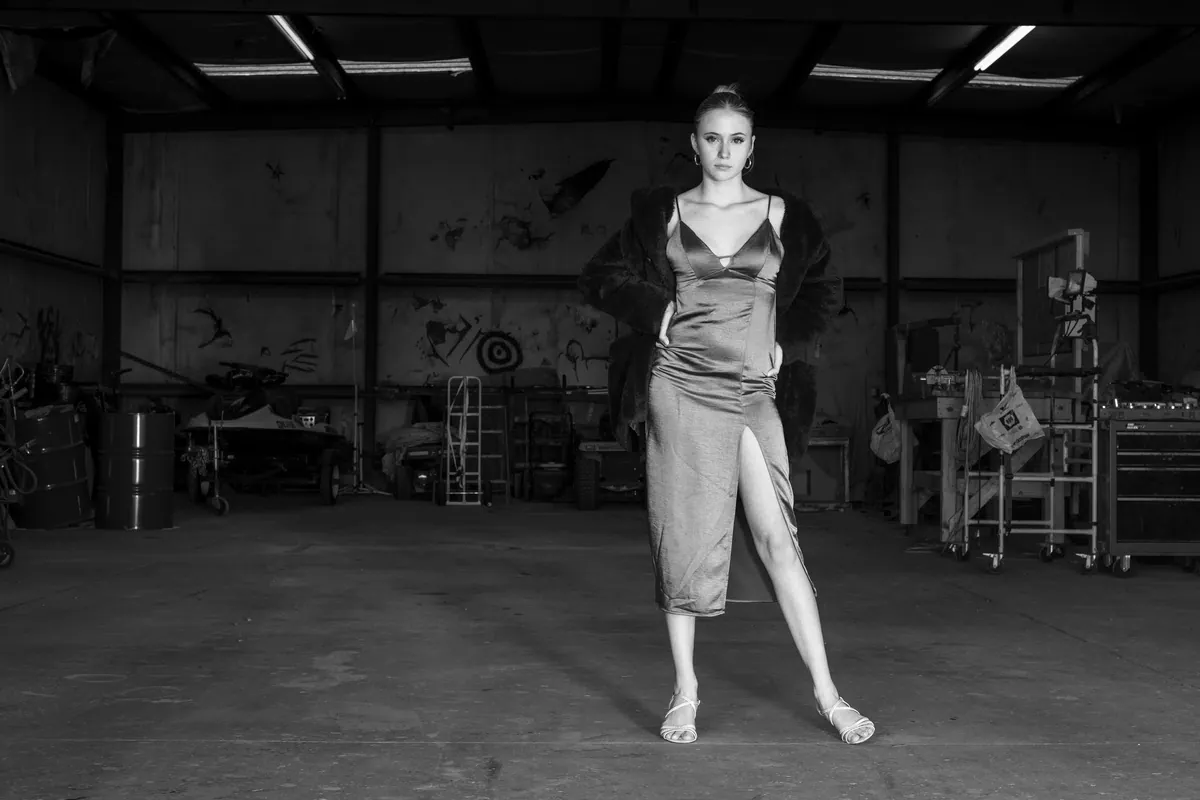
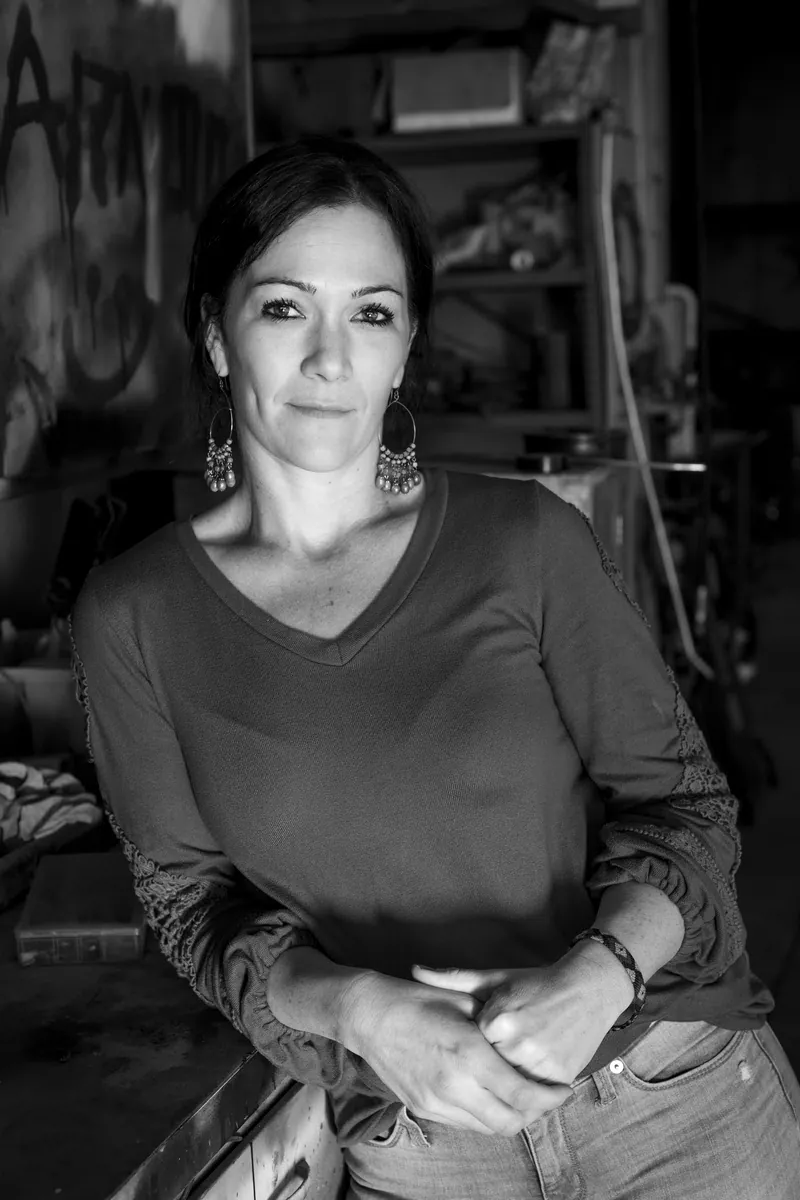
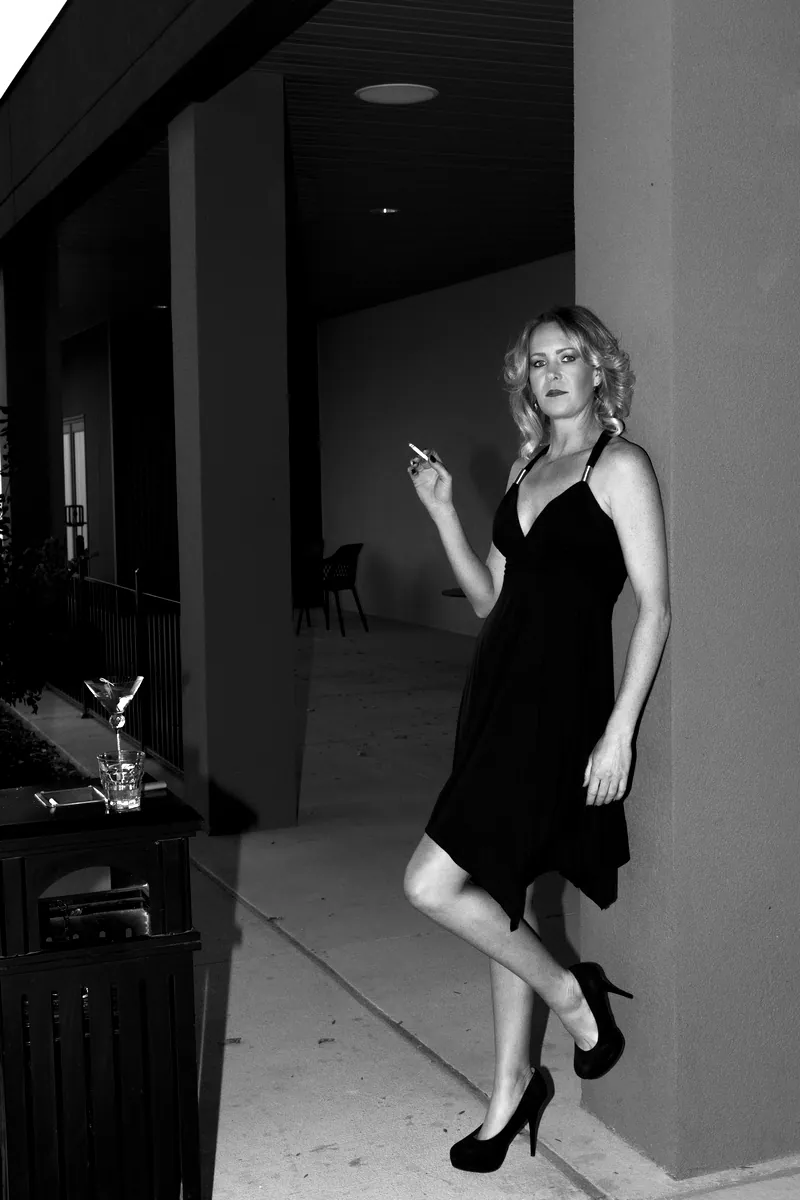
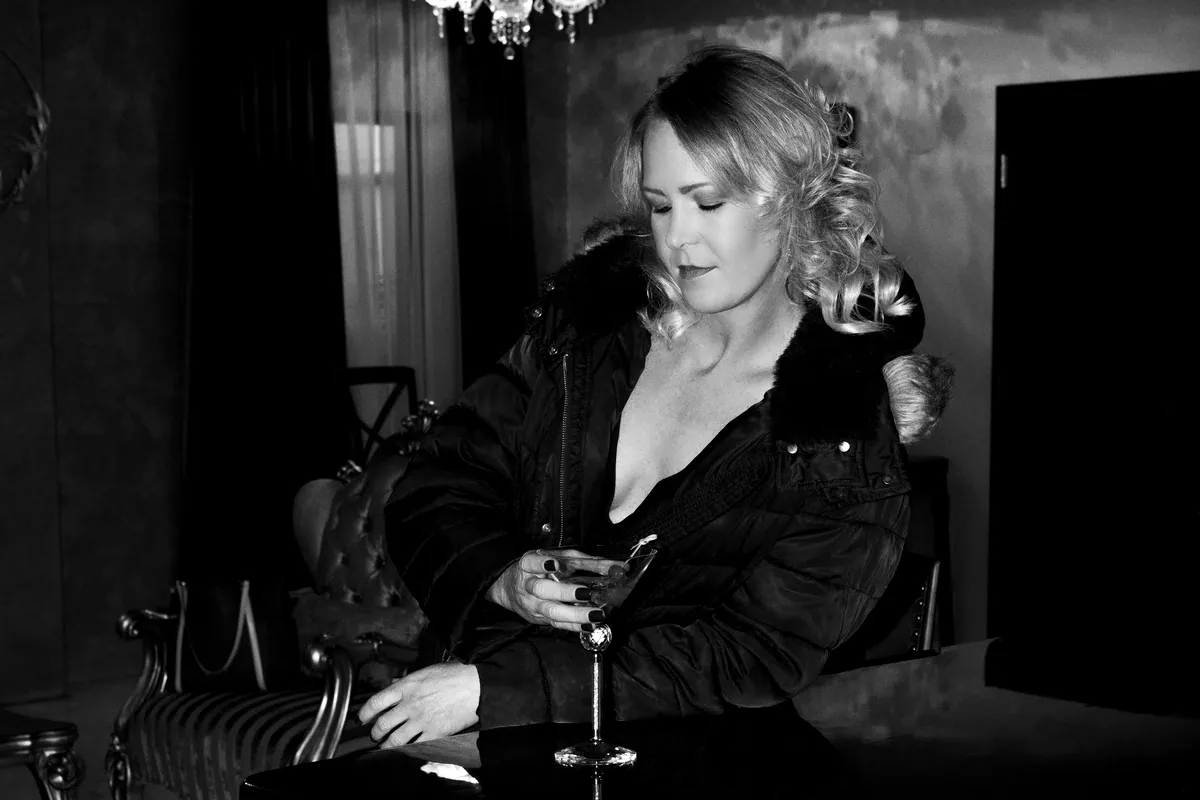
Digital gives me efficiency. I can check exposure instantly, adjust ISO at will, and shoot hundreds of frames without concern for cost. For fast-moving events, news situations, or commercial deadlines, digital is practical and sometimes necessary. I can deliver photographs to a client the same day, sometimes within minutes. Low light situations that would challenge film become manageable. Digital has earned its place in my bag because it solves real-world problems.
Film offers something different: interpretation. Highlights roll off gently, shadows have depth, and black-and-white carries a tonal richness that still feels more natural to my eye. Grain looks organic rather than electronic. The photograph feels less processed and more witnessed. When I use film, I am not just documenting shapes; I am preserving atmosphere and texture.
The biggest change is psychological. With digital I can shoot endlessly. With film I cannot. A roll gives me a fixed number of exposures, and that limitation sharpens my attention. I watch people longer. I wait for gesture and expression. I think before I press the shutter. My composition improves because my observation improves. Film forces me to be present, and presence is the real tool of photography.
My workflow changes too. Digital photographs appear instantly but demand long hours at a computer. Editing, color correction, and fine adjustments move the work onto a screen. Film moves the work into the darkroom. I develop negatives in chemicals, and then I project them through an enlarger onto photographic paper. Developer reveals the image, stop bath halts it, and fixer makes it permanent. Watching a print slowly emerge in the tray is still one of the most satisfying experiences I have in photography. I am not printing ink—I am finishing a reaction started by light itself.
Cost shapes the process as well. Digital requires a larger investment upfront but almost nothing per frame afterward. Film costs me with every roll and every print, and that expense encourages discipline. I shoot less but see more. Digital encourages abundance; film encourages intention.
There is also a practical reliability I respect. Properly stored negatives can last a lifetime and beyond. They do not depend on software, file formats, or electricity—only light. Digital files require careful backups and constant attention to storage. Both are manageable, but film’s simplicity carries a certain reassurance.
In my professional work I use both mediums deliberately. Digital handles speed, delivery, and high-volume assignments. Film handles portraiture, personal projects, and photographs where mood and tone matter more than immediacy. The debate is not really about which is better. It is about which tool serves the purpose of the photograph.
For me the difference is philosophical. Digital gives me control and precision. Film demands commitment and observation. One lets me correct mistakes afterward; the other teaches me to see correctly before I press the shutter. The camera I choose does more than make a picture—it shapes the photographer I become.